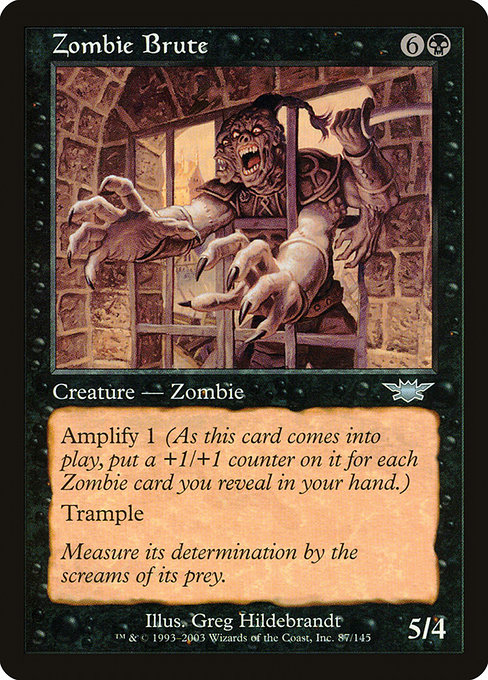
Amplify: MTG Mechanic Explained
Revealing cards from your hand as a creature enters the battlefield isn't flashy, but Amplify turns that act into a real payoff. If you're holding the right tribal company, your creature shows up bigger - sometimes much bigger - than its baseline stats suggest.
What is Amplify?
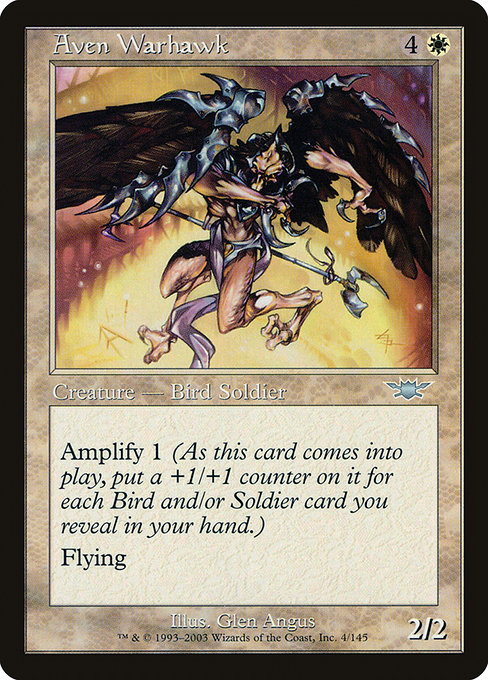
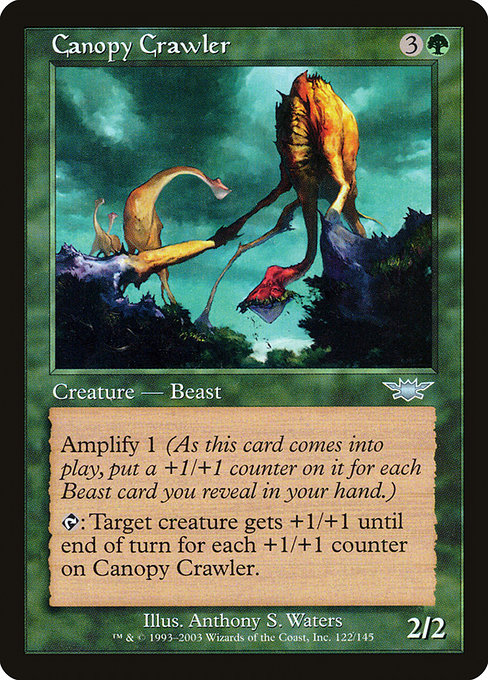
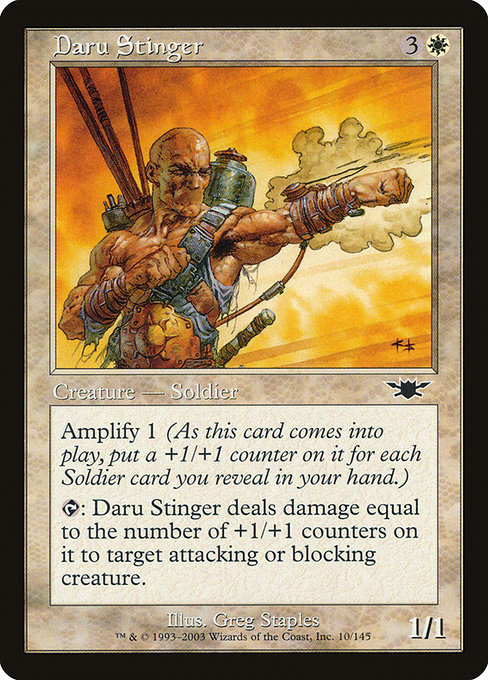
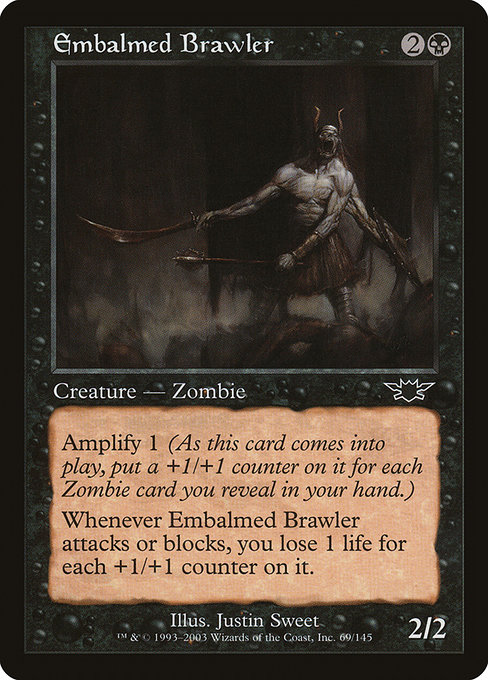
Amplify is a keyword ability found on creatures. When a creature with Amplify enters the battlefield, you can reveal any number of cards from your hand that share a creature type with it. For each card you reveal, the creature enters with a number of +1/+1 counters on it - specifically, the number shown after the keyword (Amplify 1, Amplify 2, and so on).
Think of it like showing your hand as credentials. The more proof you have that you're committed to a creature type, the more imposing your creature becomes when it arrives.
Amplify is a static ability, meaning it functions as the creature is entering - not after it's already on the battlefield. You reveal the cards, the counters are applied, and the creature arrives fully grown.
Rules
Amplify is defined in Comprehensive Rules 702.38. Here's what the rules actually say:
"Amplify N" means "As this object enters, reveal any number of cards from your hand that share a creature type with it. This permanent enters with N +1/+1 counters on it for each card revealed this way. You can't reveal this card or any other cards that are entering the battlefield at the same time as this card."
- CR 702.38a
Key rules details
- It's optional. You choose how many cards to reveal - anywhere from zero up to every eligible card in your hand.
- The cards stay in your hand. Revealing isn't discarding. You're just showing them; nothing is spent.
- The revealing player is the controller. Whoever will control the creature on the battlefield is the one who reveals cards.
- You can't reveal cards entering at the same time. If you're playing multiple creatures simultaneously, you can't use one as amplify fodder for another - but you can reveal the same hand cards for multiple creatures entering at once.
- Multiple instances of amplify stack separately. If a creature somehow has Amplify 1 twice, each instance counts independently, effectively doubling the counters per revealed card.
- Copying works. If you cast a Clone-style creature and copy a creature with amplify, you get to reveal cards and put the counters on normally.
- Type-changing effects apply. Cards like Artificial Evolution or Conspiracy can change what creature types are relevant for amplify, since they can alter what types a card "shares" with the amplify creature.
Common misunderstandings
Amplify doesn't care whether you'll actually play the revealed cards. There's no commitment to casting them later - you're just demonstrating that you have creatures of the right type.
The creature type check is based on the card entering, not the card in hand. If a type-changing effect has already been applied to the amplify creature before it enters, that new type is what matters.
Strategy
Amplify rewards tribal commitment. To get real value out of it, you need a hand stocked with creatures that share a type - which means you're already building a focused, creature-heavy tribal deck. The mechanic is essentially a built-in payoff for going all-in on a strategy you probably wanted anyway.
Building around Amplify
A few principles worth keeping in mind:
- Card density matters more than usual. Because revealed cards stay in your hand, you want a lot of tribal creatures - enough that you'll consistently have two or three to show when your amplify creature arrives.
- Curve considerations. Amplify creatures are often costed as though they'll enter with at least one or two counters. Casting them without any reveals often leaves you with a below-rate creature.
- Hand size is a quiet advantage. Effects that draw cards or let you hold more cards translate directly into more amplify fuel.
Playing against Amplify
The moment a player starts counting cards in their hand before playing a creature, you know amplify is probably involved. A few things to consider:
- Disrupting hand size before the creature is cast - through discard effects - can significantly reduce how large the creature enters. Once the creature is being cast, it's too late to strip the reveals.
- Amplify counters are permanent. These aren't temporary pump effects; the creature is just bigger from that point on. If you can't answer it on entry, plan to answer a large creature.
Notable cards
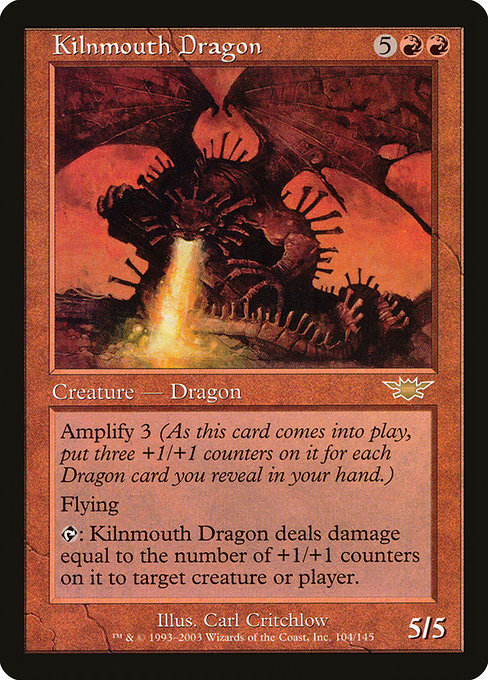
Kilnmouth Dragon ({5}{R}{R}) is the poster child for amplify's design space. It enters with a +1/+1 counter for each Dragon card revealed (Amplify 1), but it also has an activated ability: '{T}, Remove a +1/+1 counter from this creature: It deals damage equal to the number of +1/+1 counters on it to any target.' The counters aren't just stats - they're fuel. Reveal four Dragons, and you've got a 8/8 that can shoot something for 8. That's the kind of interaction that shows what amplify is for.
Kilnmouth Dragon is arguably the most memorable amplify card precisely because the counters have a second function. Most amplify creatures simply get bigger; this one weaponizes the counters directly.
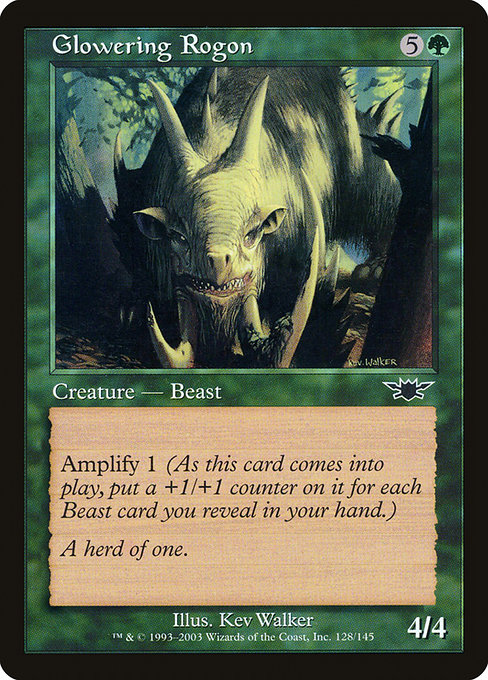
Glowering Rogon ({4}{G}) is the textbook example. As a Beast with Amplify 1, it enters as a 4/4 baseline and grows by one for each Beast card revealed. In a Beast-heavy deck, arriving as a 7/7 or 8/8 for five mana is genuinely threatening for its era.
History
Amplify was introduced in Legions (2003), the second set in the Onslaught block. Legions is notable for being the only premier set in Magic's history to contain exclusively creature cards - no instants, sorceries, artifacts, or enchantments. Amplify fit that design philosophy perfectly: a creature-matters mechanic that literally rewards you for having creatures in your hand.
The Onslaught block was built around tribal themes, and amplify was a direct expression of that. Every tournament-legal card with amplify was printed in Legions, and the mechanic has not appeared on Standard- or Modern-legal cards since.
Amplify has never been officially classified as a deciduous or evergreen mechanic, and it hasn't returned in a later set. It lives in the category of mechanics that did exactly what they were designed to do for one block, then stepped aside - a clean, self-contained idea that made Legions feel distinct.
Lore aside: Legions represented the peak of the Onslaught tribal wars on the plane of Otaria, with the story centered on clashing creature factions. Amplify was thematically resonant - your creatures grew stronger when backed by allies of the same kind.