Mobilize: MTG Keyword Mechanic Guide
Some abilities reward you just for doing what you wanted to do anyway. Mobilize is one of them - attack with a creature that has it, and it brings its own backup.
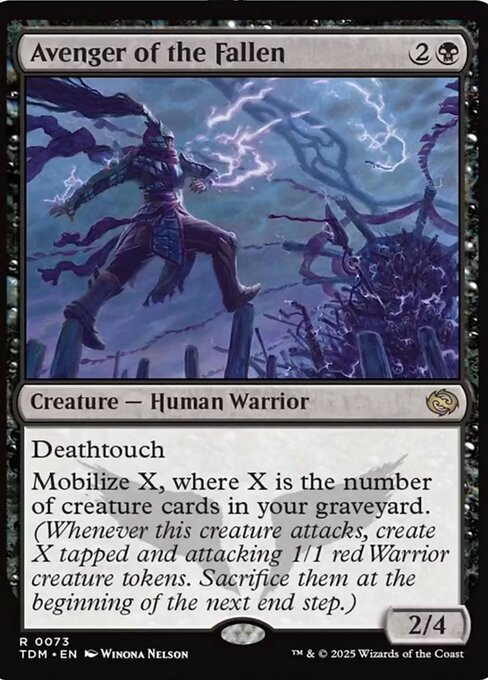
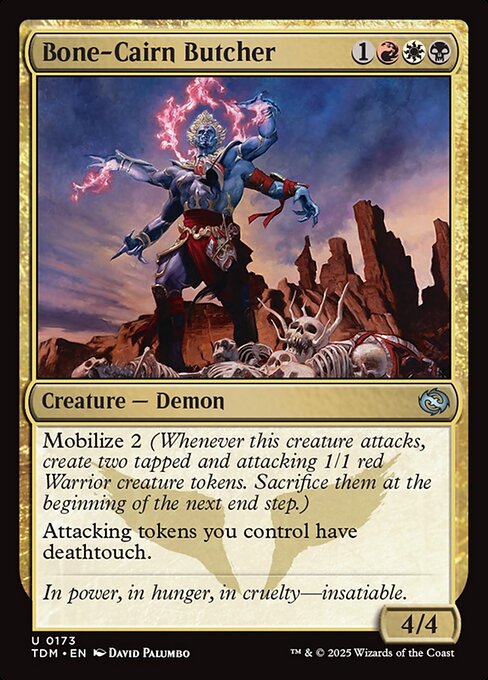
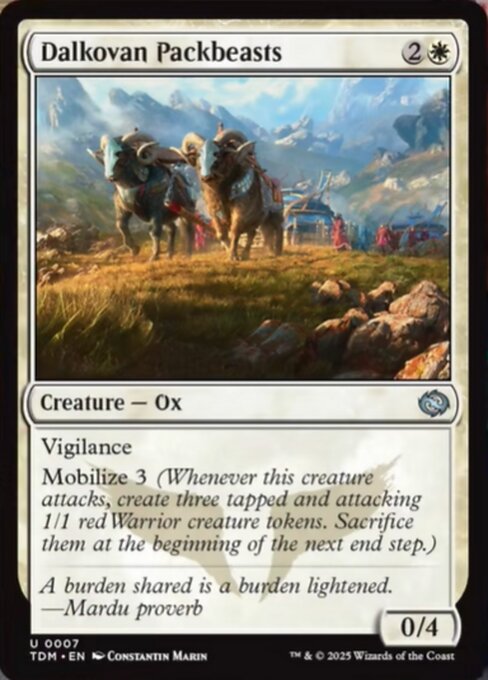
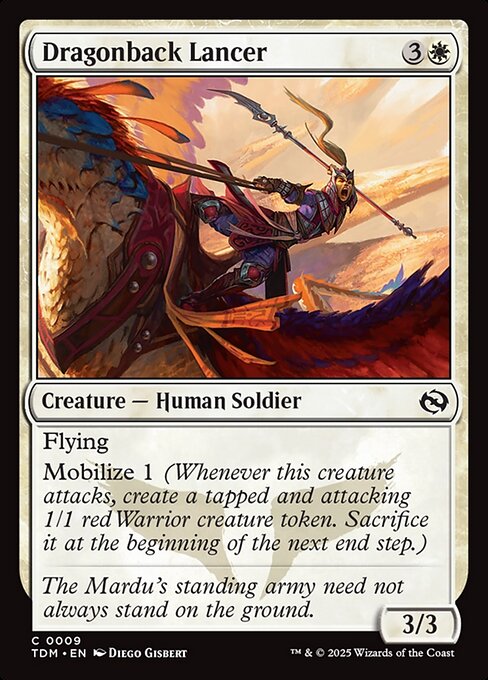
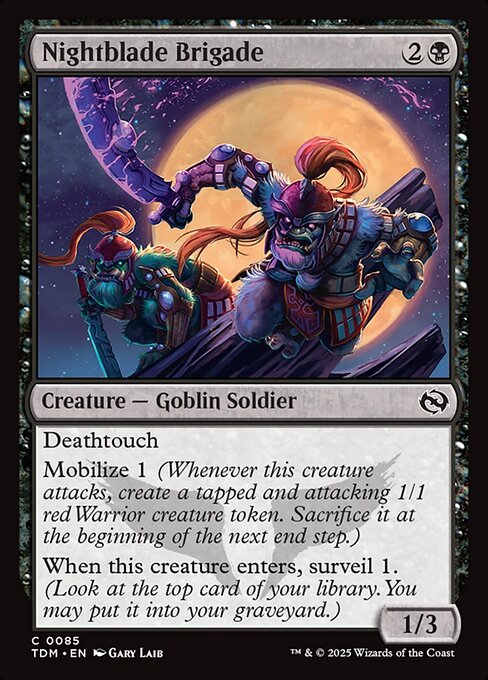
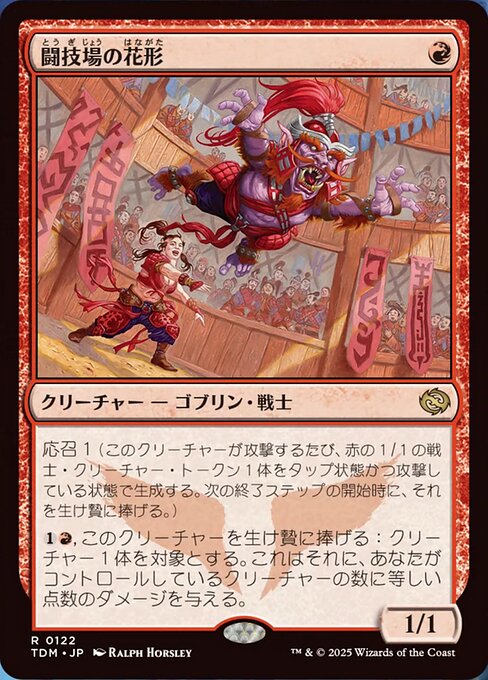
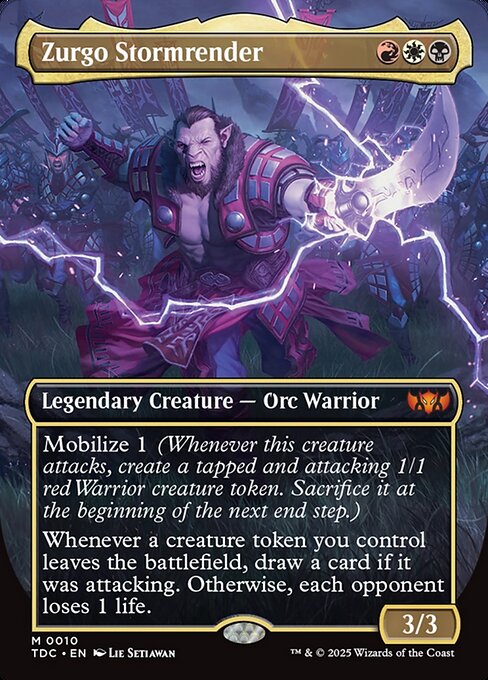
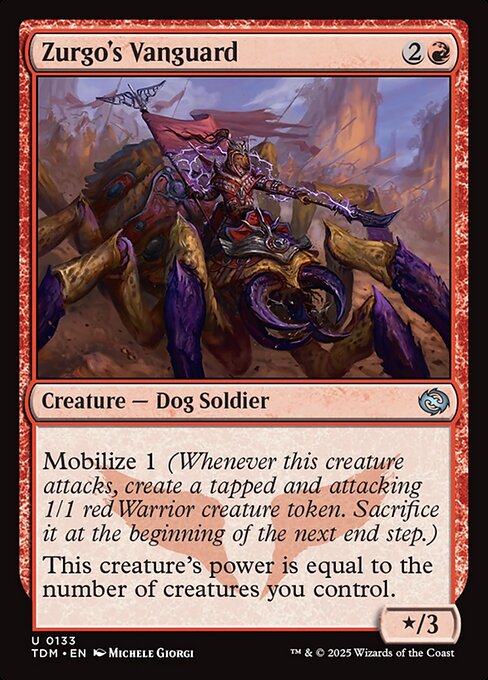
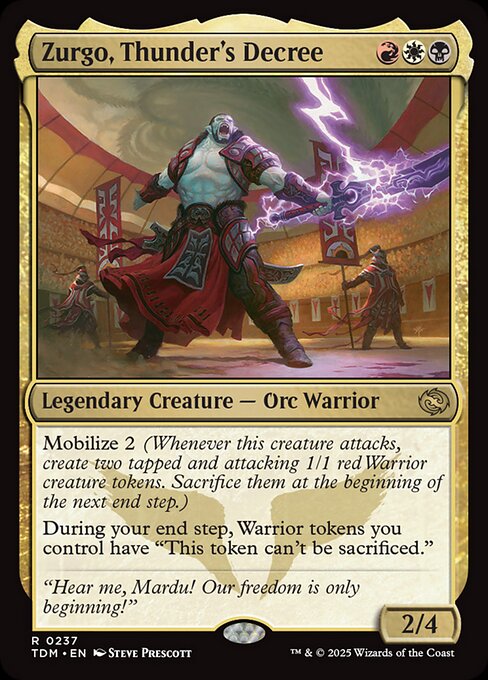
Mobilize is a triggered keyword ability that creates a small wave of 1/1 red Warrior tokens whenever the creature attacks. Those tokens charge in alongside it, tapped and attacking, then vanish at the end of the turn. It's a mechanic that's entirely at home in aggressive, combat-focused strategies: you get a burst of temporary reinforcements because you attacked, not instead of attacking.
What is Mobilize?
Mobilize is a triggered keyword ability. When a creature with Mobilize attacks, it creates a number of 1/1 red Warrior creature tokens equal to the number specified after the keyword. Those tokens enter the battlefield already tapped and attacking - they skip the declare-attackers step entirely and go straight into the red zone. At the beginning of the next end step, all of those tokens are sacrificed.
The key idea here is temporary pressure. You're not building a permanent army. You're flooding the board with bodies for exactly one combat, forcing your opponent to make difficult blocking decisions they didn't plan for, then those bodies disappear before they can become a liability.
Rules
The official rules text for Mobilize is:
702. Keyword Abilities - Mobilize: "Mobilize N" means "Whenever this creature attacks, create N 1/1 red Warrior creature tokens. Those tokens enter tapped and attacking. Sacrifice them at the beginning of the next end step."
A few things worth unpacking there:
The tokens enter tapped and attacking
This is different from creating tokens and then declaring them as attackers. The tokens enter tapped and attacking as part of the triggered ability resolving. That means they bypass any effects that trigger or check at the declare-attackers step. It also means they don't need to have haste to attack - they're placed directly into combat.
Rules note: Because the tokens are already attacking when they appear, anything that cares about "whenever a creature attacks" won't trigger for them - that step has already passed. However, anything that triggers on "whenever a creature enters the battlefield attacking" or "whenever an attacking creature" deals damage would still apply, depending on the exact wording.
The sacrifice happens at the next end step
This wording matters. The sacrifice is delayed until the beginning of the next end step - not immediately after combat, not at the end of the combat phase. That means if you give the tokens indestructible or blink them before that trigger resolves, you might find interesting ways to extend their lifespan. Conversely, if your opponent's end step somehow happens before yours in a turn structure edge case, be aware of when exactly the sacrifice fires.
Mobilize stacks with itself (and similar effects)
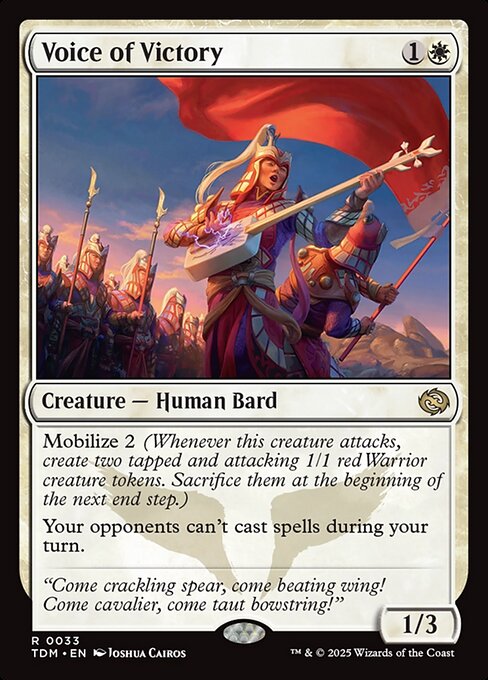
If multiple creatures with Mobilize attack in the same combat, each triggers separately. A creature with Mobilize 2 attacking alongside a creature with Mobilize 1 would give you three tokens total, each tapped and attacking, each sacrificed at the beginning of the next end step.
Common misunderstandings
- The tokens are always 1/1 red Warriors, regardless of the colour of the creature that has Mobilize. A white knight with Mobilize 2 still creates red Warriors.
- You cannot choose not to sacrifice them. The sacrifice at the end step is mandatory - it's not an optional cost.
- The tokens can be targeted and affected normally before the sacrifice happens. Pump spells, combat tricks, and buffs all work on them during the combat they're created in.
Strategy
Playing with Mobilize
The clearest strength of Mobilize is creating favourable attacks that weren't otherwise favourable. A creature that would trade unfavourably into a blocker suddenly brings along 1/1 friends to absorb the trade or force a chump block elsewhere. Your opponent has to account for more bodies than they expected.
This also creates real decision pressure for defenders. When your attacker creates two extra 1/1 tokens joining the attack, your opponent has to decide: block the main creature and take two points of free damage? Block the tokens and take the main creature's damage? Block everything and potentially lose multiple creatures to your attack? Even 1/1 tokens create genuine complexity when they appear mid-combat.
Mobilize pairs naturally with:
- Combat tricks and pump spells - those temporary tokens can carry a surprise +2/+0 buff just as well as a permanent creature can.
- Trample - if the main creature has trample, your opponent can't just chump with a 1/1 token and stop the damage.
- Anthem effects - global +1/+1 bonuses make your Warrior tokens much more threatening as blockers never know if those 1/1s are actually 2/2s.
- "Whenever a Warrior attacks" or tribal synergies - if your deck cares about Warriors, even temporary ones count for triggers.
Playing against Mobilize
The most important thing to remember is that those tokens are coming regardless. You can't prevent the trigger without preventing the attack itself. If you're blocking, plan for the extra bodies:
- Don't commit a large single blocker if the extra tokens will gang-block it.
- Sweepers and damage-based removal after blockers are declared can wipe the tokens before they deal damage.
- Remember that the tokens vanish at end of turn, so you only need to survive the combat - you don't need a permanent answer.
Format check: Check the legality of specific Mobilize cards in your format before building around the mechanic. The token-generation rules work the same across all formats, but the available cards and their mana costs will vary significantly.
Deck-building considerations
Mobilize creatures tend to reward go-wide aggressive strategies. If you're building around the mechanic, consider:
- Ways to give the tokens haste before the end step sacrifice - wait, they're already attacking. What you can do is find ways to blink or flicker them to remove the sacrifice requirement entirely.
- Token doublers, since the Mobilize trigger creates tokens, effects that double token creation would produce twice as many Warriors.
- Ways to copy the Mobilize trigger itself - if you can duplicate the triggered ability, you get two waves of tokens from a single attack.
Notable cards
The source material for Mobilize focuses primarily on its rules definition as a keyword ability. As I build out this section more fully, I'd recommend checking Scryfall with the search query o:mobilize to find the current complete list of cards carrying the keyword - there you'll see the full range of creatures, their mana costs, and the exact N value on each Mobilize trigger.
What I can say is that the mechanic's home in red Warrior token creation suggests it lives most naturally in red-aligned aggressive creature decks, likely at lower-to-mid mana costs where temporary combat pressure is most valuable.
History
Mobilize as a keyword ability - the triggered "create N 1/1 red Warrior tokens when this creature attacks" version - is a relatively focused mechanical design. The concept of attack-triggered token creation has appeared in Magic in various forms over the years, but codifying it as a clean keyword with a variable N value follows the broader design trend of taking recurring mechanical patterns and giving them a shareable rules label.
the word "Mobilize" appears elsewhere in Magic's card history in non-keyword contexts: the sorcery Mobilize ({G}) untaps all creatures you control, and Mobilization ({2}{W}) from Onslaught (2002) is an enchantment that gives Soldiers vigilance and produces 1/1 Soldier tokens. Neither of those cards uses Mobilize as a keyword ability - they just share the name. The keyword and these older cards are entirely separate rules objects, which is occasionally a source of confusion for players searching for the mechanic.