Jumpstart (JMP): The 2020 MTG Set Guide
Sometimes the best thing Magic can do is get out of its own way. Jumpstart - released in 2020 as a supplemental booster set - does exactly that. Rather than asking you to draft, build, or brew, it hands you two themed packs, tells you to shuffle them together, and says: play. That's it. That's the whole format.
The result is one of the most accessible on-ramps Magic has ever created, and one of the most beloved supplemental products in recent memory.
What is Jumpstart?
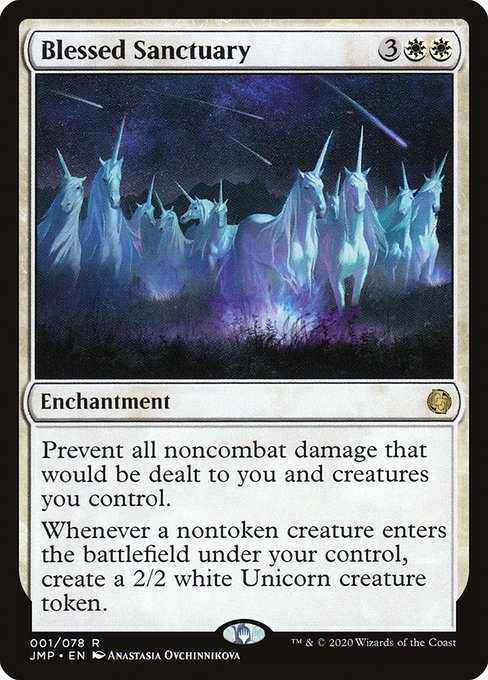
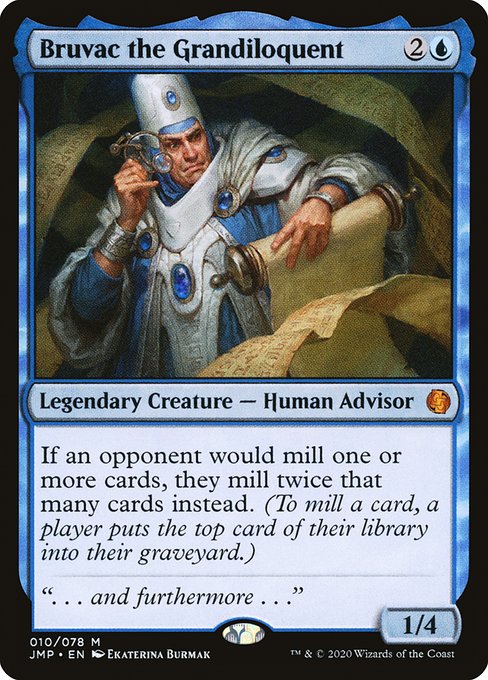
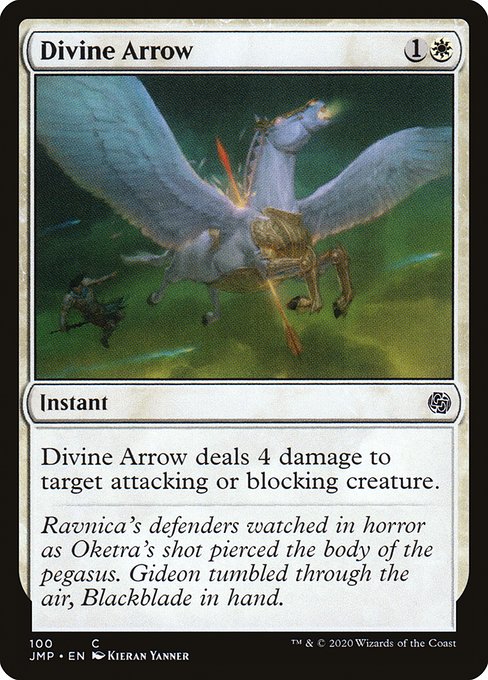
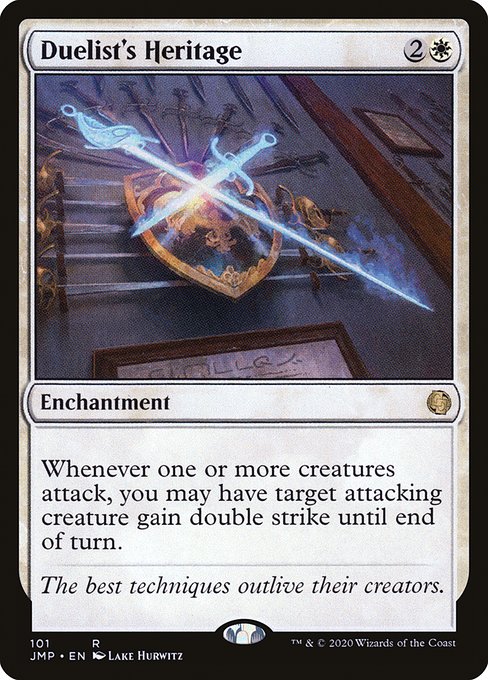
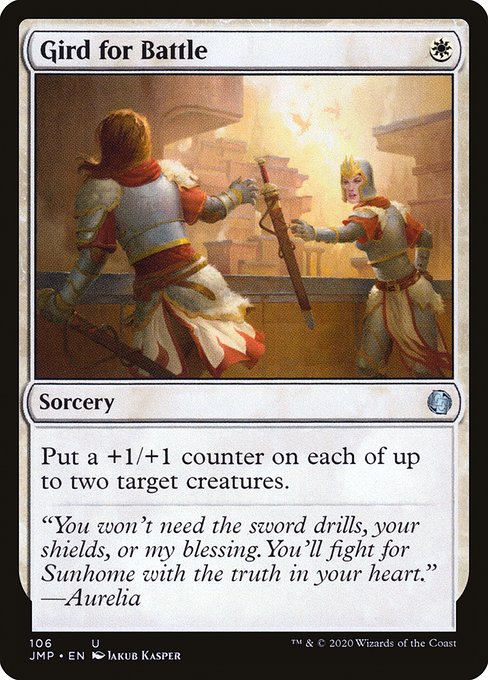
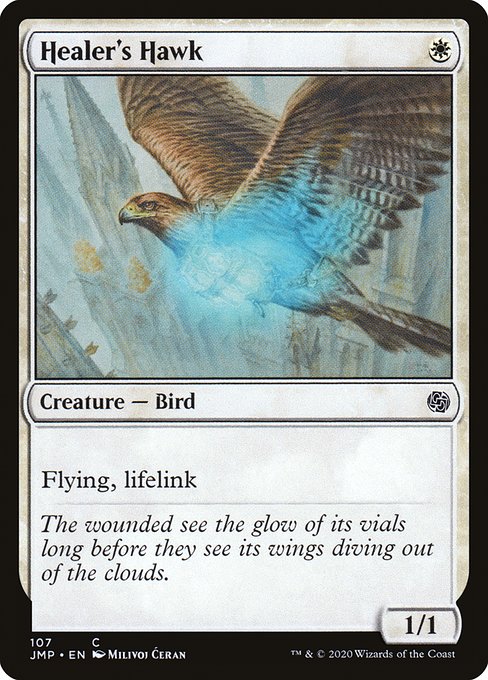
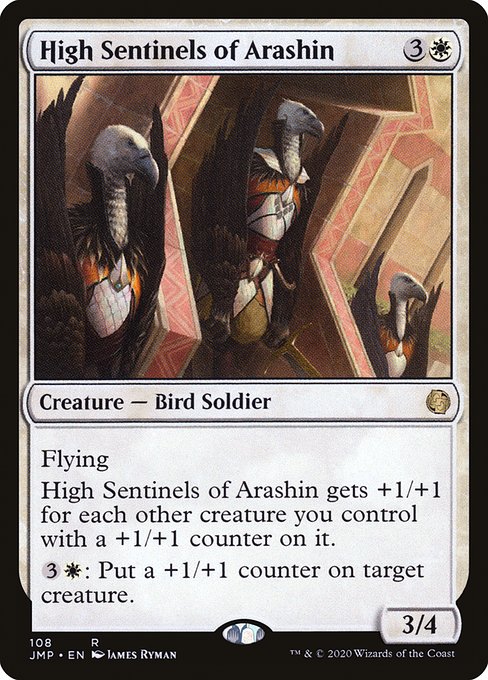
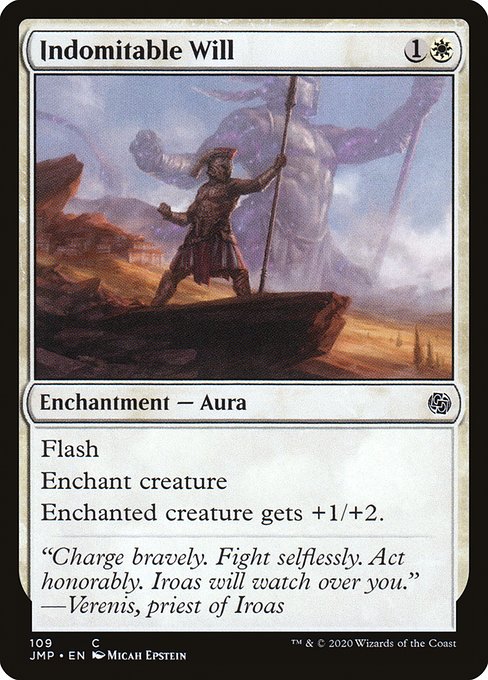
Jumpstart (set code: JMP) is a 496-card supplemental set released in 2020. It isn't a traditional booster set - there's no Draft format in the conventional sense and no Standard legality. Instead, it introduces its own standalone format built around Jumpstart Boosters: pre-constructed, theme-based 20-card packs designed to be combined into a ready-to-play 40-card deck.
The set pulls from throughout Magic's history, reprinting beloved cards alongside new additions, and organises everything around flavourful themes rather than mechanical draft archetypes. It's the closest Magic has come to the 'shuffle up and play' feel of a game like Smash Up or KeyForge - both of which share that same DNA of combining two independently coherent halves into one messy, fun experience.
Format check: JMP cards are not Standard-legal by default. Legality depends on format - many cards in the set are legal in Legacy, Vintage, and Commander, and some were later introduced to MTG Arena's Historic format via the digital sequel, Jumpstart: Historic Horizons (2021).
How the Jumpstart format works
The format is refreshingly simple. Each player opens two Jumpstart Boosters, shuffles the two 20-card packs together, and plays. No deckbuilding decisions, no card evaluation spreadsheets, no fifteen-minute draft pod - just two packs and a game.
Each booster is built around a single theme: pirates, dogs, lightning, phyrexian monstrosities, and dozens more. Every pack comes with a land base suited to its colour, so two packs of the same colour slot together cleanly, while multi-colour combinations produce interesting and sometimes chaotic hybrid decks.
This is the part I find genuinely clever about the design: the variance doesn't come from card selection - it comes from theme collision. You're not choosing the best cards; you're choosing two flavours and seeing what happens when they meet.
Themes and mechanics
Jumpstart leans heavily into thematic identity over mechanical complexity. Each booster is built around a self-explanatory concept - creatures, histories, colours, famous Magic characters - and the gameplay flows naturally from the theme rather than from a set of interlocking keyword rules.
That said, the set does incorporate mechanics from across Magic's history. Because it draws from such a wide pool of reprints spanning decades of the game, you'll encounter a broad range of keywords and abilities depending on which packs you combine.
Jump-start (the keyword)
It's worth briefly noting the distinction here, because it comes up a lot: jump-start (lowercase, hyphenated) is a separate keyword ability that first appeared in Guilds of Ravnica (GRN, 2018). It lets you cast an instant or sorcery from your graveyard by paying its mana cost and discarding a card, after which the spell is exiled. It's a clever Izzet mechanic that rewards filling your graveyard.
The keyword and the set share a name, but they're different things. The JMP set isn't centred on the jump-start mechanic - it's named for the format it introduces.
Limited and draft
Jumpstart doesn't use a traditional draft structure. The format is its own thing: open two boosters, shuffle, play.
Because each 20-card pack is pre-constructed around a theme and already includes appropriate lands, there's no pick order to optimise, no signals to read across a draft table, and no agonising over whether to take the rare or the removal spell. The deckbuilding decision is simply: which two themes do you want to mash together?
This makes the format exceptionally welcoming for newer players or for groups that want a quick game without setup overhead. It also makes it genuinely replayable - with dozens of themes in the set, the combinations run deep.
Lore and setting
Unlike a premier set, Jumpstart doesn't advance Magic's ongoing story or take place on a single plane. Its thematic range is deliberately broad, drawing on characters, creatures, and concepts from across Magic's thirty-plus years of history. You'll find packs themed around specific creature types, planeswalkers, historical figures from the lore, and abstract concepts tied to colours and gameplay styles.
This makes JMP feel more like a greatest-hits celebration of Magic's history than a chapter in an ongoing narrative - which, given its role as an accessible entry point, is entirely appropriate.
Set legacy
Jumpstart landed well. The format it introduced has become a recurring fixture in Magic's product lineup: Jumpstart 2022 brought a new physical iteration, Jumpstart: Historic Horizons (2021) adapted the concept for MTG Arena's Historic format, and Foundations Jumpstart (sometimes called Jumpstart 2025, released in 2024) tied the format to the Foundations core set.
The original 2020 set is remembered for making Magic genuinely easy to pick up and play without sacrificing the feeling of variety and surprise that makes the game interesting. In my opinion, that's a harder design problem to solve than it looks - and JMP solved it elegantly.
It also spawned what is now a recognised booster product category. Jumpstart Boosters appear as a distinct product alongside Play and Collector Boosters in many modern releases, offering a 'set Jumpstart' experience connected to premier sets. The 2020 set started all of that.