Planechase (HOP): The Complete Set Guide
Before Planechase, multiplayer Magic was already a beloved corner of the game - but in September 2009, Wizards of the Coast did something genuinely novel. They handed players an oversized deck of cards representing entire planes of the Multiverse, and said: let the chaos unfold. The result was one of the most creative supplemental releases in Magic's history.
What is Planechase?
Planechase (set code: HOP) is a supplemental product for Magic: The Gathering, released on September 4, 2009, with release events running September 4-6 of that year. It is not a Standard-legal expansion set - instead, it sits in the tradition of products designed to augment and enhance multiplayer games, rather than compete on the tournament circuit.
The set contains 169 cards total, spread across four preconstructed theme decks. Each deck comes with a regular Magic deck alongside a collection of the set's headline innovation: oversized plane cards, which form the foundation of the new format the product introduced.
Format check: Because Planechase is a supplemental product, its cards have varying legality depending on the format. Cards reprinted from older sets retain their existing legality. The plane cards themselves are only used within the Planechase format variant - they aren't part of a standard 60- or 100-card deck.
The Planechase format
The heart of this product is the Planechase format itself, also known as Planar Magic. Rather than replacing another way of playing Magic, Planechase acts as an augmentation - you layer it on top of whatever game structure you're already using, whether that's a casual multiplayer free-for-all or a Commander pod.
The mechanism is elegant. Each player (or the table as a whole, depending on the variant) assembles a planar deck from the oversized plane cards. At any point during their turn, the active player can roll the planar die - a custom die with outcomes that can trigger the ability of the current plane, move play to a new plane entirely, or do nothing at all.
Every plane card has two abilities:
- A static or triggered effect that applies while that plane is active - shaping the rules of the game in sometimes dramatic ways.
- A Chaos ability, triggered when the chaos symbol comes up on the planar die.
The result is a game that feels genuinely different from turn to turn. One moment you're on a plane that doubles all mana production; the next, the table has planewalked somewhere that makes all creatures gain haste. It rewards players who can adapt quickly, and it makes every game a story worth telling afterward.
Rules note: The Planechase format and its associated plane cards are an official game variant recognised by Wizards of the Coast. The rules for the format are covered in the Magic Comprehensive Rules under the multiplayer variants section.
Themes and mechanics
Planechase introduced two entirely new card types to Magic: the Gathering:
Plane cards
Plane is a card type that had never existed before this product. These oversized cards - too large to shuffle into a regular deck - each represent a location somewhere in the Magic Multiverse. The planes depicted range across Magic's rich history of settings, giving the product a wonderful tour-of-the-Multiverse feel.
Each plane card modifies the game state for everyone at the table while it's active, creating shared environmental rules that players have to navigate together (or exploit against each other). This shared-consequences design is particularly well-suited to multiplayer, where a single global effect can produce wildly asymmetric outcomes depending on what each player happens to be doing.
The planar die
The custom planar die is central to the format's feel. It has several blank faces (no effect), one face showing the Planeswalker symbol (which triggers the current plane's activated ability and moves to a new plane), and one face showing the chaos symbol (which triggers the chaos ability). Rolling the die costs {1} more each time you roll it on the same turn, which creates a natural tension: push your luck for another roll, or accept the current reality?
Returning mechanics and reprints
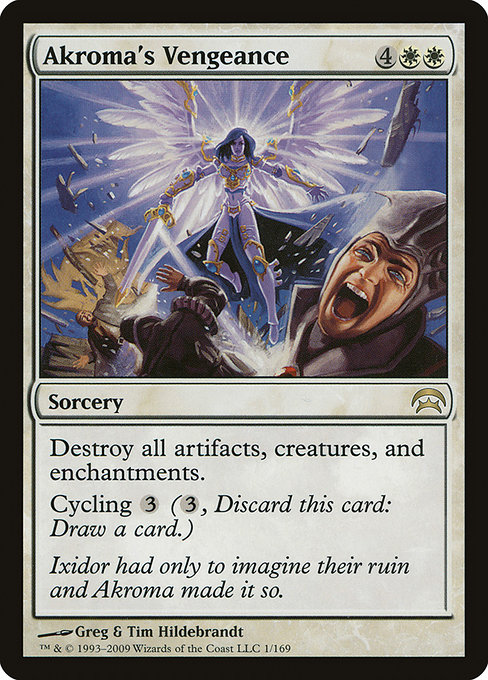
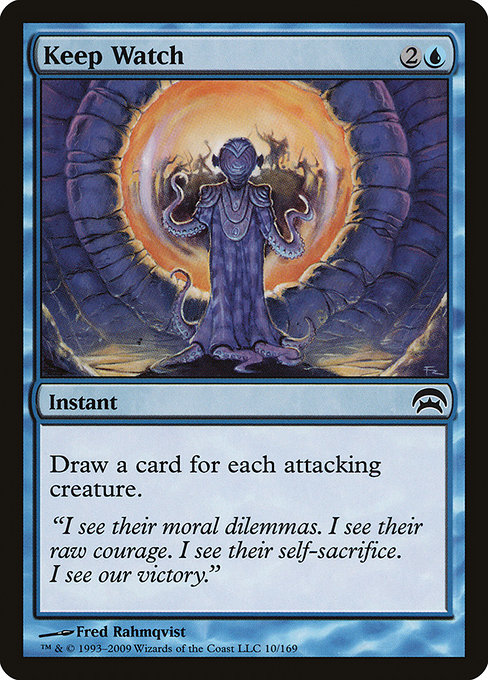
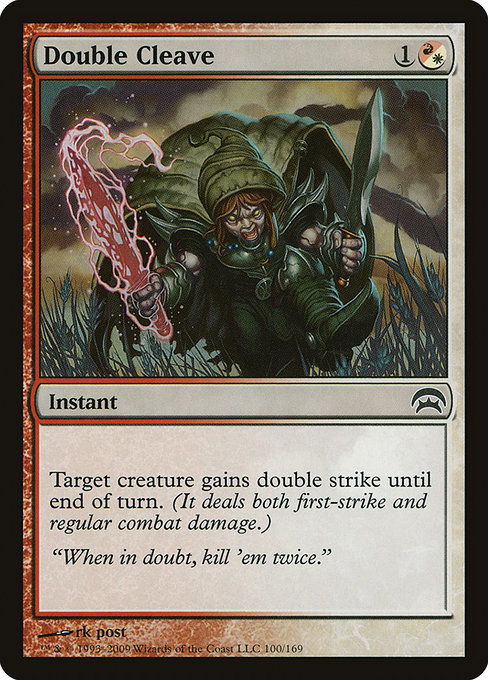
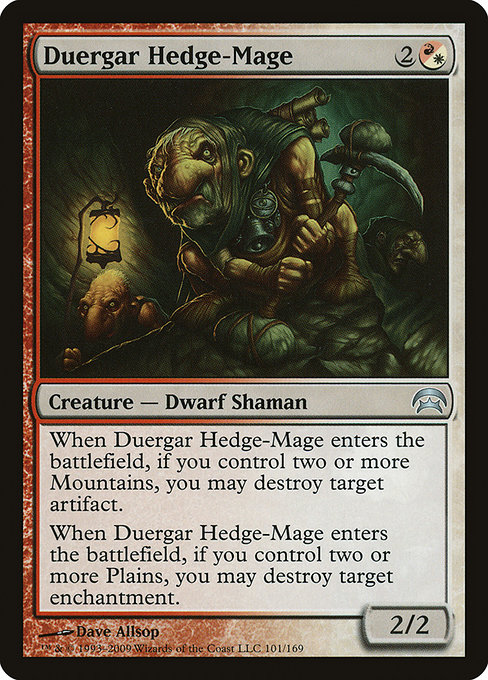
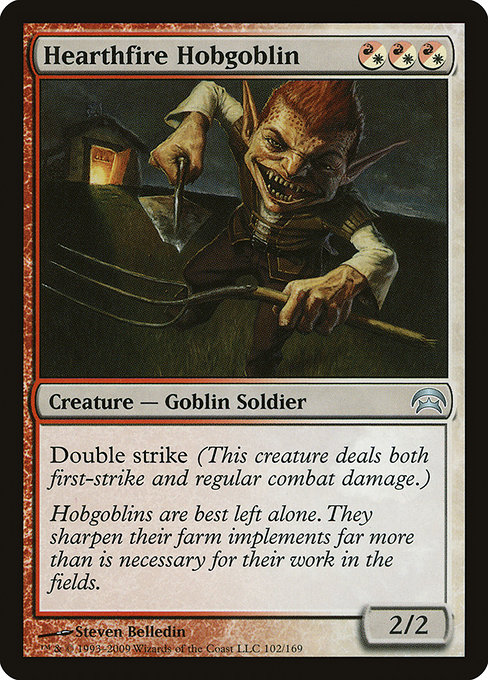
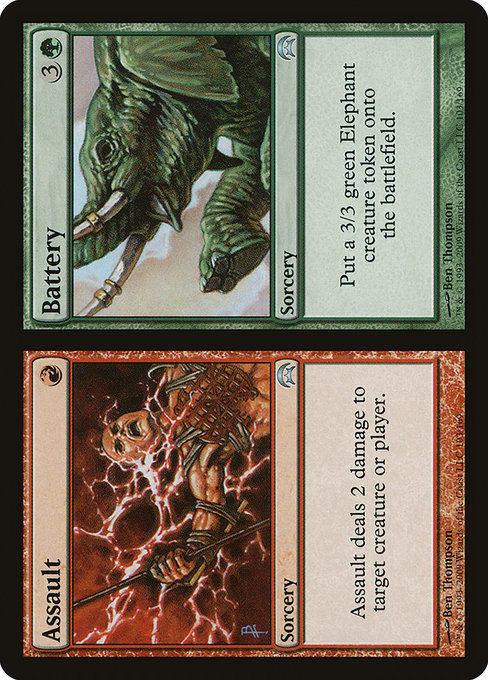
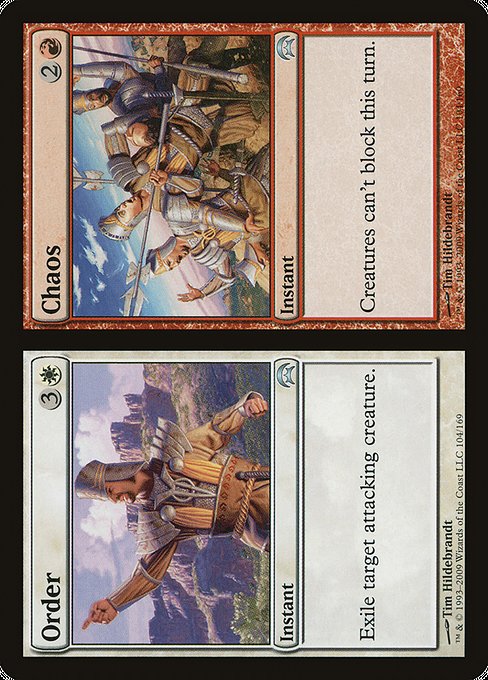
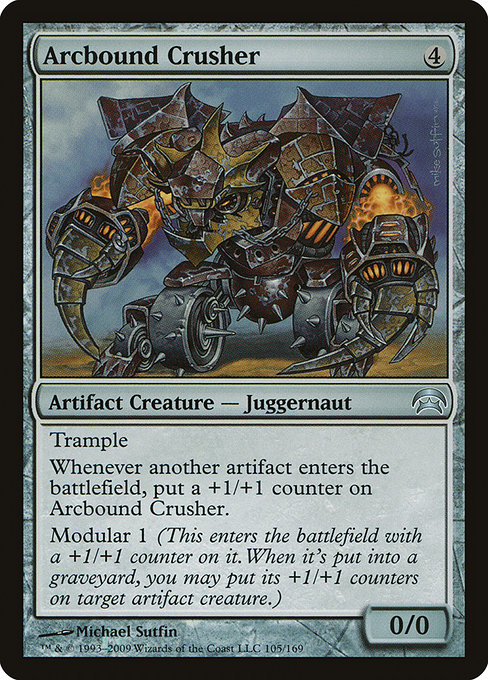
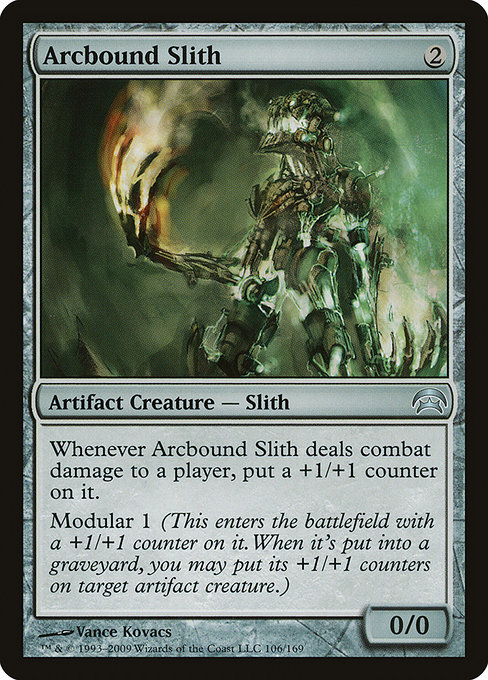
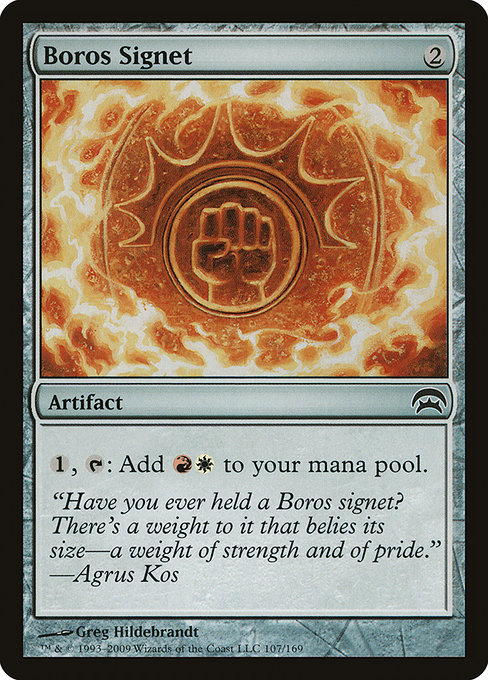
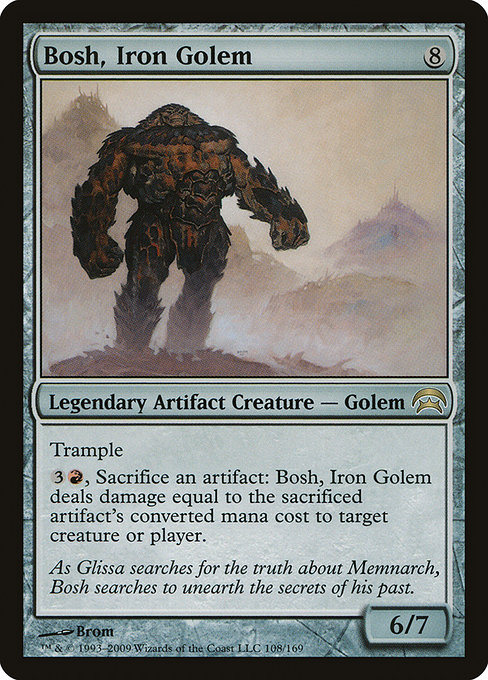
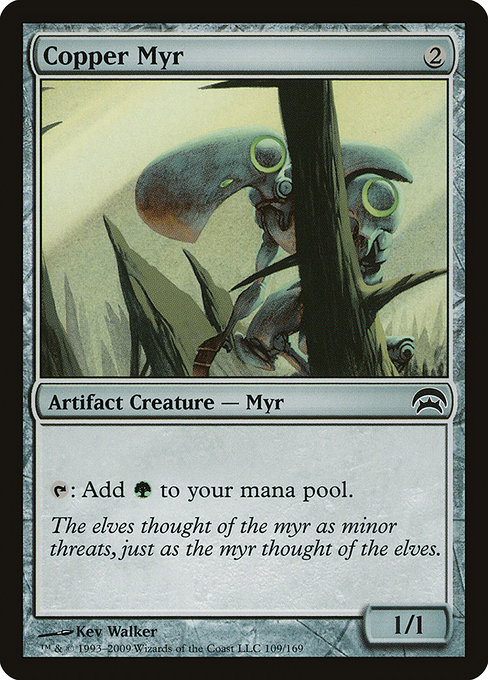
Beyond the new plane cards, the four theme decks in Planechase contain reprints of existing Magic cards, covering a range of mechanics and strategies suited to multiplayer play. The decks were designed with the Planechase format in mind - meaning they tend toward cards that reward the unpredictable, often chaotic conditions that plane cards create.
Limited and draft
Planechase is not a Booster Draft or Sealed product - it was released exclusively as preconstructed theme decks. There is no traditional Limited format associated with HOP. If you're looking to play with these cards in a structured environment, the preconstructed decks are the intended entry point, and the Planechase format itself is the designed mode of play.
Lore and setting
The plane cards in Planechase draw from locations across the Magic Multiverse, making the set feel like a love letter to thirty years of worldbuilding. The premise of travelling between planes - literally, mechanically, mid-game - maps neatly onto the Planeswalker mythology that was central to Magic's story identity in 2009, shortly after the post-Lorwyn block narrative had reintroduced planeswalking as a key story concept.
Each plane card carries its own flavour text and artwork evoking the location it represents, so even the mechanical chaos of the format is wrapped in genuine Multiverse atmosphere. I think this is one of the underrated pleasures of the product - flipping to a new plane card and reading the flavour text while your opponents groan about the new global effect is a small but real moment of storytelling.
Set legacy
Planechase landed well enough that Wizards returned to the concept. Planechase 2012 expanded the plane card pool significantly and introduced phenomenon cards - a second new card type that created one-time dramatic events as planeswalking occurred. Later, plane cards were included in Commander products and the concept was integrated even more deeply into Magic's multiplayer culture.
In my opinion, the lasting impact of Planechase isn't really about any individual card. It's the format itself - the proof that Magic's rules structure was flexible enough to accommodate an entirely new layer of gameplay sitting on top of everything else. The planar die, the oversized cards, the shared chaos: it's a design that understood multiplayer Magic is ultimately about memorable moments, and built a machine specifically for generating them. ✨
The Planechase format remains an official variant today and has found a natural home alongside Commander, where the social and multiplayer dynamics make plane cards feel right at home.