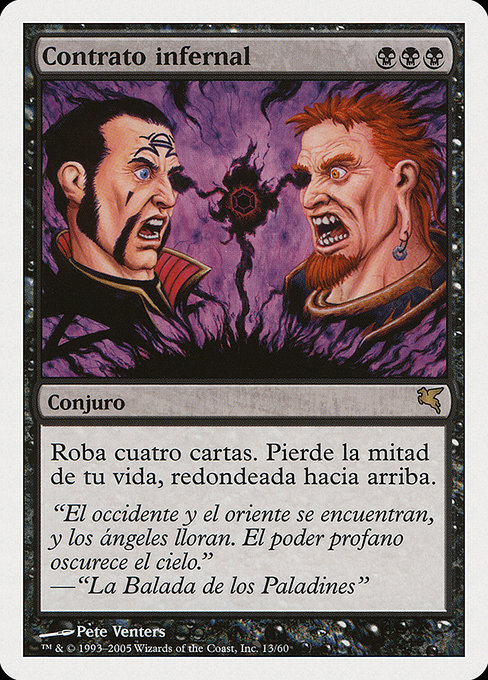
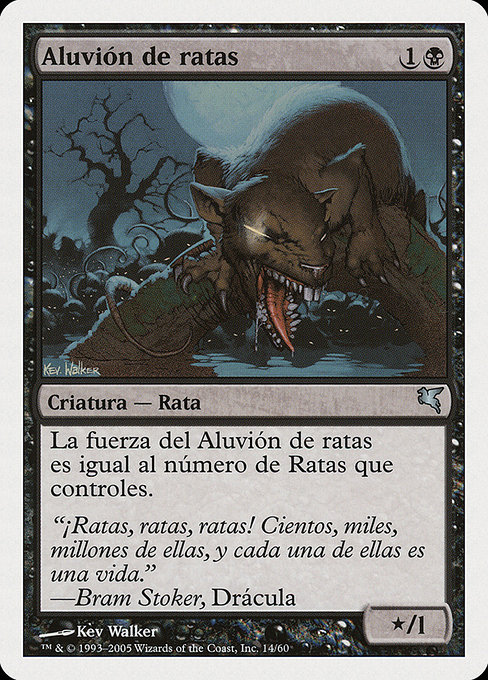
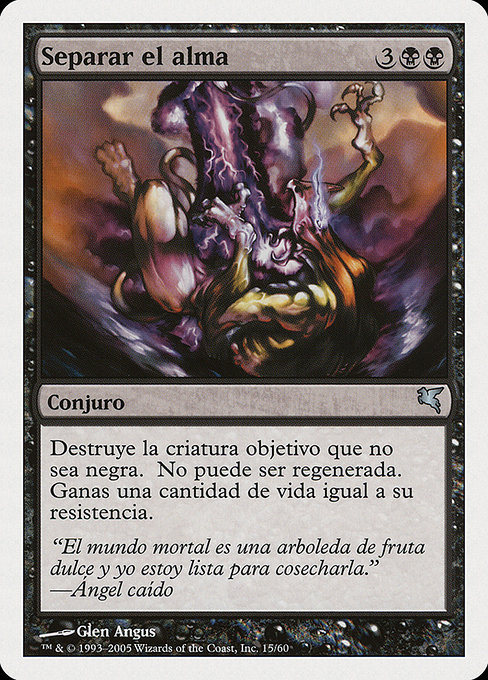
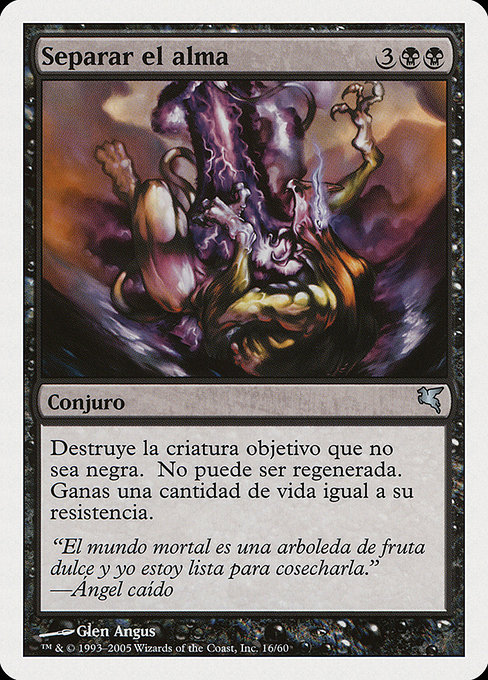
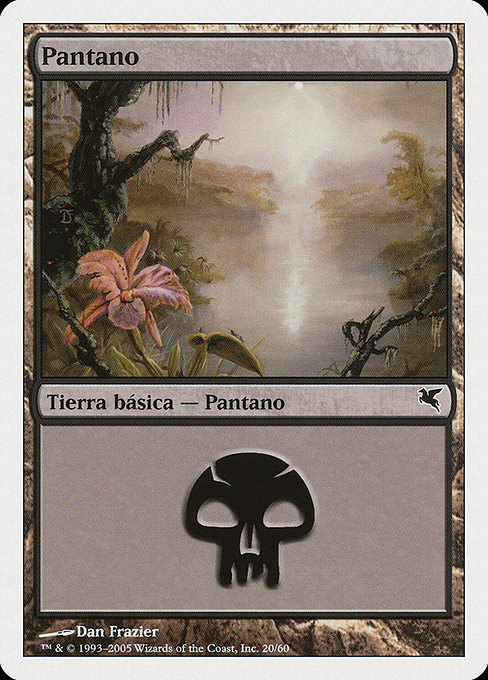
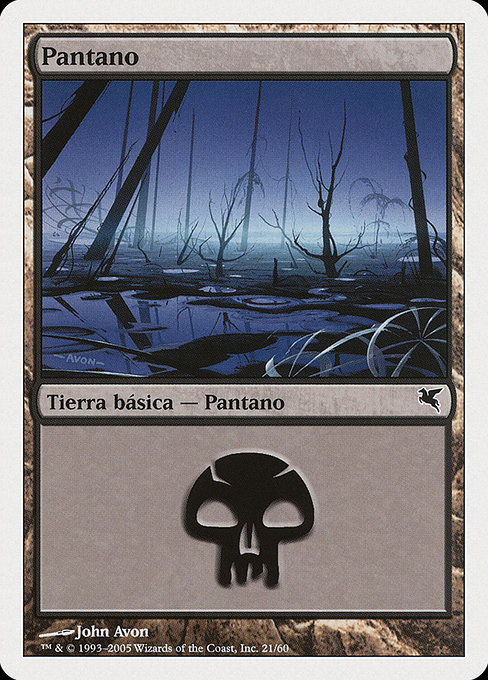
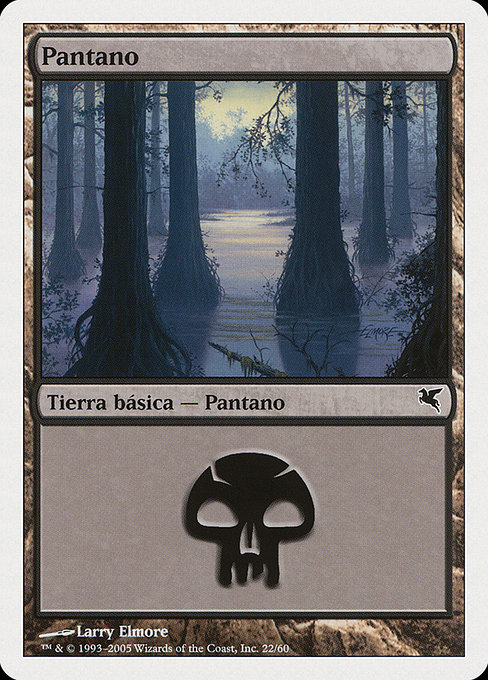
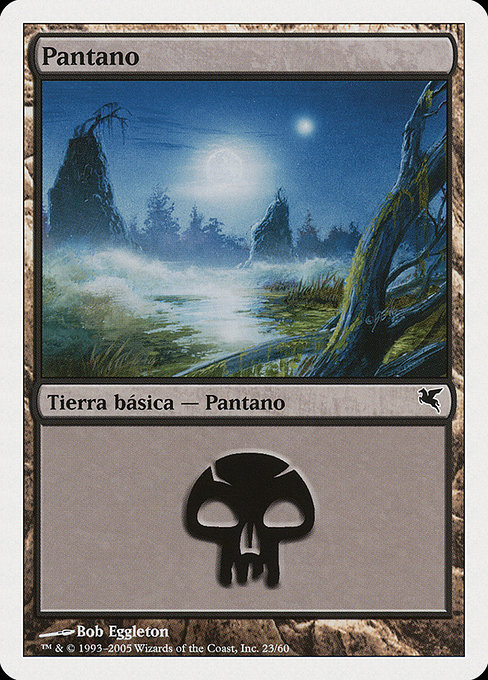
Salvat 2005: The Spanish MTG Reprint Set Explained
Some of the most interesting corners of Magic's history aren't found in booster boxes at your local game store - they're found in magazine racks. Salvat 2005 is one of those corners: a regional reprint set distributed alongside a collectible encyclopedia, released in markets where Magic wasn't always easy to find in its standard form.
It's a genuinely unusual release, and if you've stumbled across a white-bordered card with a flying Pegasus symbol, this is probably where it came from.
What is Salvat 2005?
Salvat 2005 (set code: PSAL) is an officially licensed Magic: The Gathering reprint set, released in the Spanish, French, and Italian markets between 2005 and 2006. It was not a traditional booster set sold through hobby stores. Instead, cards were distributed in packs of twelve alongside bi-weekly issues of a collectible publication called the Magic Encyclopedia.
The set was published by Salvat, a Spanish publishing company owned at the time by the Hachette Group - which itself had ties to Hasbro, Magic's parent company. That corporate connection is part of why the release was formally authorised by Wizards of the Coast. In Italy, the set was released under the Hachette name rather than Salvat, and expanded to twelve preconstructed decks instead of ten.
Format check: Despite the unusual distribution method, Salvat 2005 cards are valid for DCI tournament play. They are official Magic cards, not proxies or counterfeits.
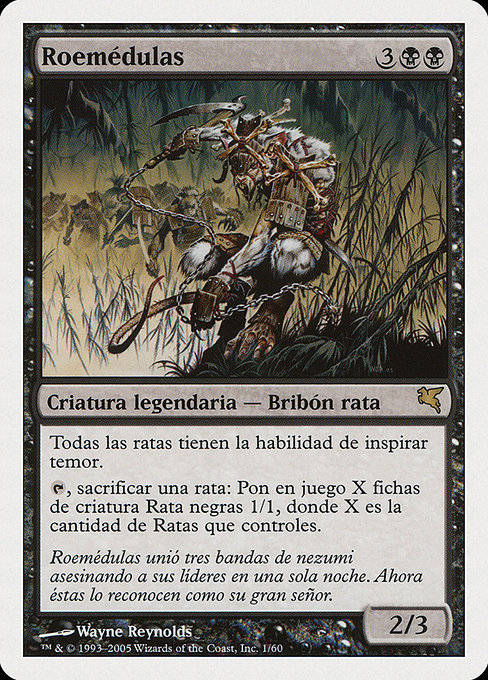
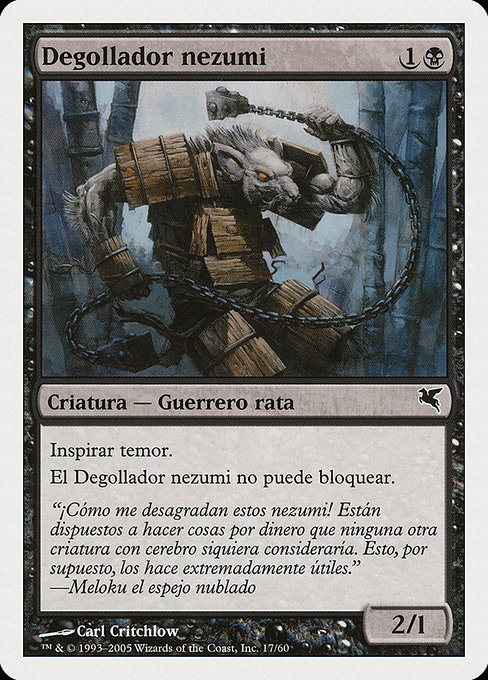
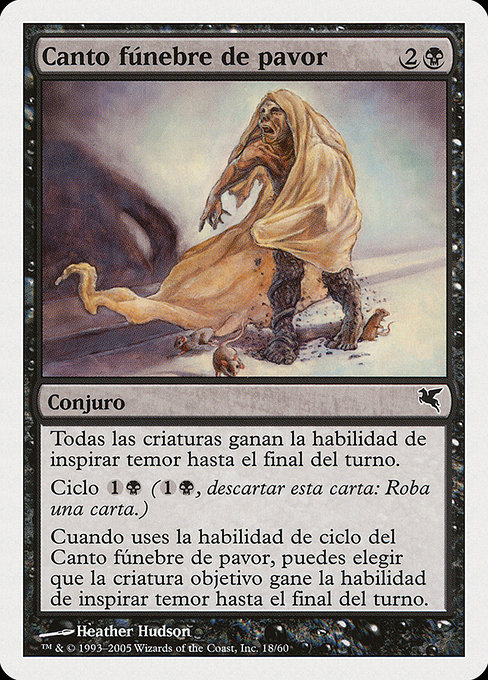
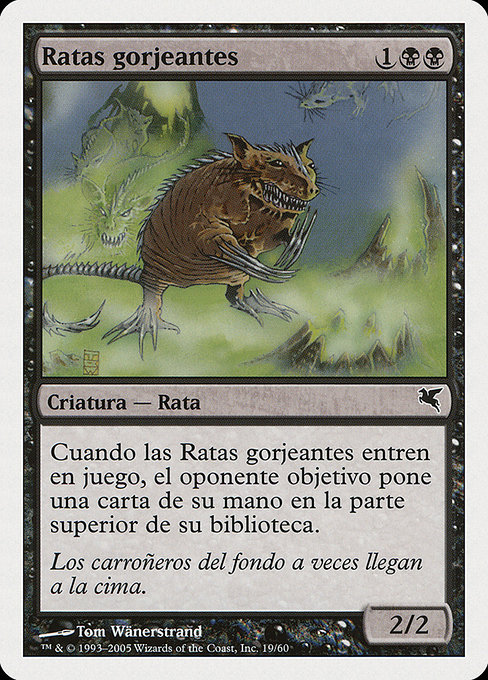
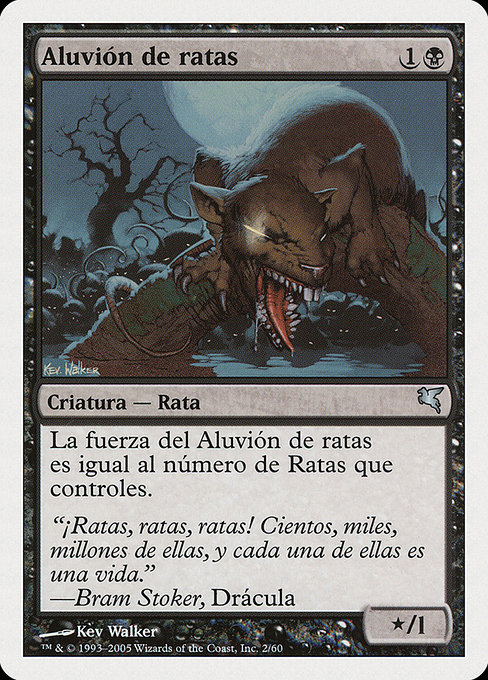
A partial English-language release also exists: the cards from the Rats-themed deck were printed in English and distributed in the UK market.
Themes and mechanics
Salvat 2005 is a reprint set, so it doesn't introduce any new mechanics. All the cards in the set are reprints of previously existing Magic cards, selected and grouped to form playable preconstructed theme decks.
The set is built around ten preconstructed decks (twelve in the Italian Hachette version), each numbered internally from #1 to #60. Each deck contains:
- 5 rares
- Approximately 13 uncommons
- The remainder made up of commons and basic lands
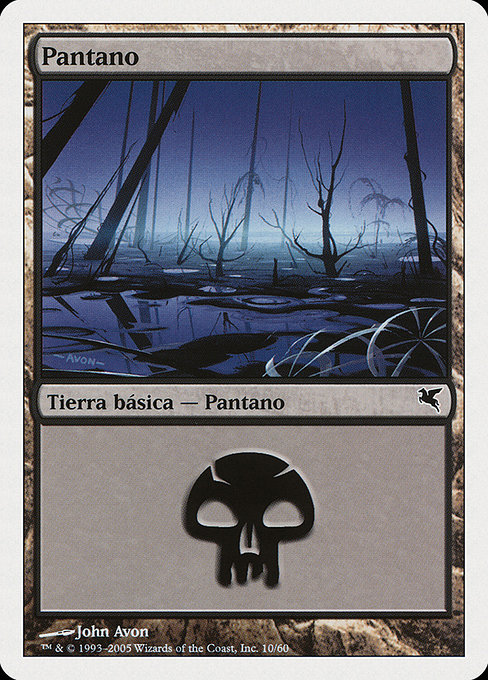
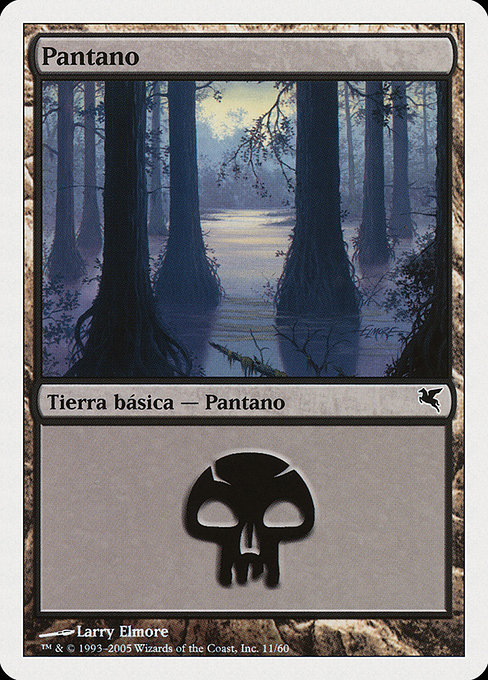
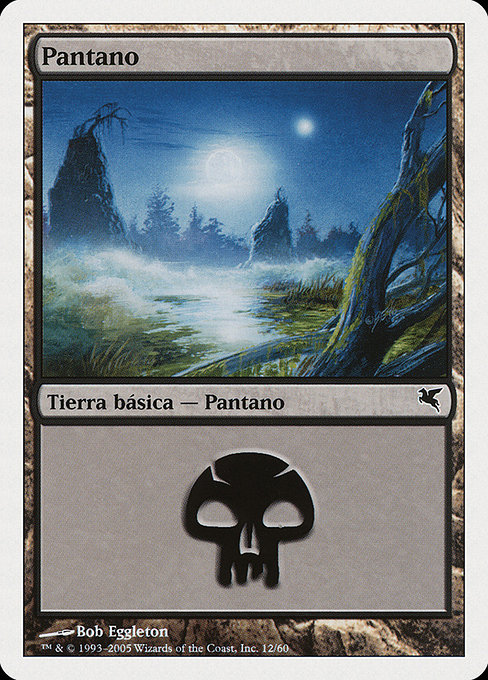
Because the decks are numbered independently - each card carries a number relative to its own deck rather than a position in a master set list - the same card can appear with different collector numbers across different decks.
Set design and presentation
A few things make Salvat 2005 visually distinctive on the table.
White borders. At a time when white-bordered cards were becoming less common in mainstream Magic sets, Salvat 2005 used white card borders throughout. This was consistent with how many older reprint products were presented and makes the cards immediately recognisable.
The Pegasus expansion symbol. The set uses a flying Pegasus as its expansion symbol - a clean, classical image that fits the encyclopedic, educational feel of the publication it accompanied. The later follow-up set, Salvat 2011, refined this to just the head and wing of the Pegasus.
Magazine distribution. Rather than sitting in a display box at a game store, these cards arrived with a periodical. For players in Spain, France, and Italy in the mid-2000s, the Magic Encyclopedia was a way to build a collection on a schedule, one bi-weekly issue at a time.
Set legacy
Salvat 2005 sits in an interesting place in Magic's history. It isn't widely known outside the markets it was sold in, and most players will never encounter one of its cards in the wild. But it represents something genuinely valuable: an effort to bring Magic to audiences through a format - the collectible partwork magazine - that was popular in continental Europe at the time.
The set was followed by Salvat 2011 (released in the Spanish market between 2010 and 2012), which updated the formula with black-bordered cards, a refined Pegasus symbol, and a more unified numbering system where each card carries the same number across every deck it appears in. Salvat 2011 also expanded to a full 720 cards with 224 distinct illustrations.
Together, the two Salvat sets represent a niche but legitimate chapter in how Magic reached players who might not have had easy access to the game through traditional retail channels. For collectors, they're a genuine curiosity - official, tournament-legal cards that most of the Magic world has never seen.