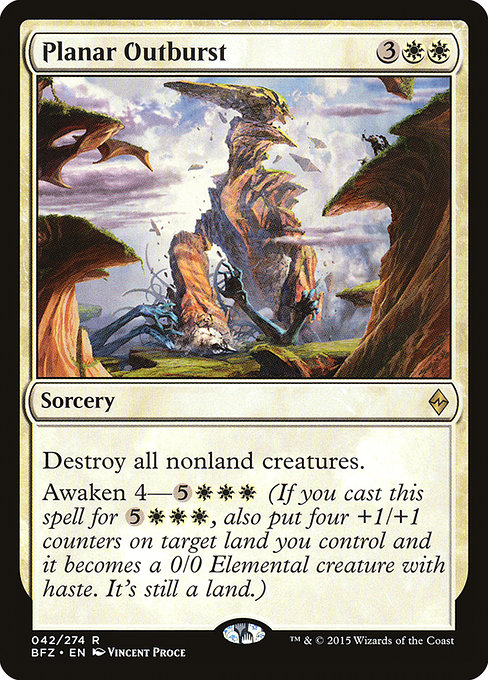
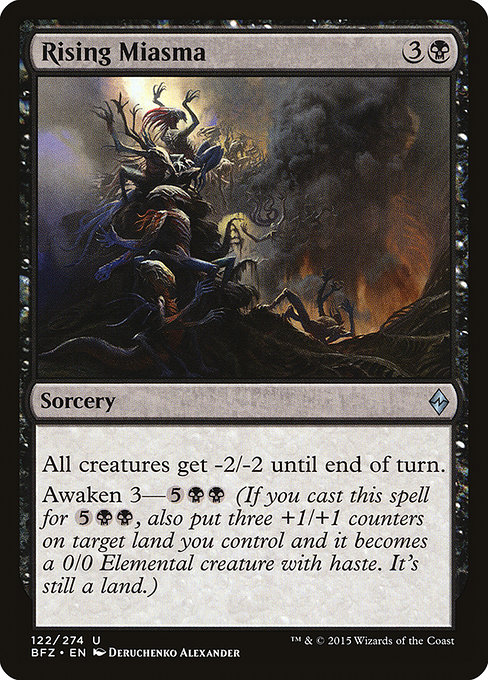
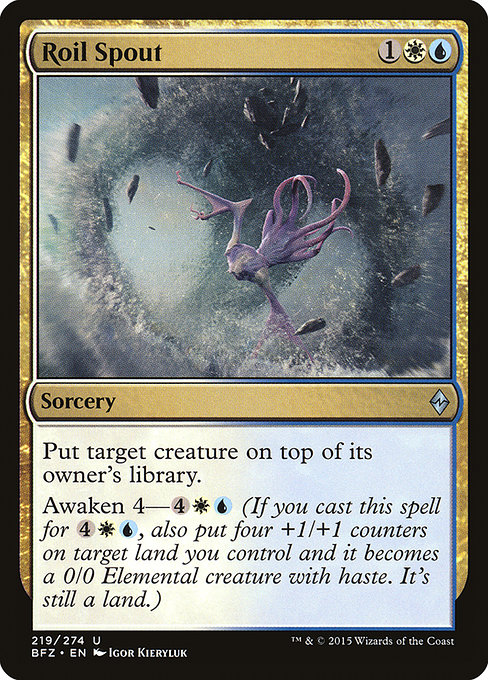
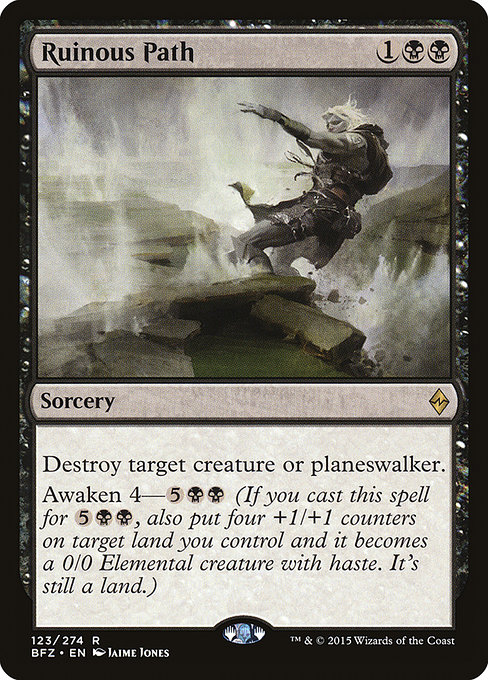
Awaken: MTG Mechanic Guide
Sometimes the most interesting decisions in Magic aren't about which spell to cast - they're about when to pay a little more to get something extra. Awaken is built on exactly that tension. It lets you animate one of your lands into a creature as a bonus on top of a spell you were probably going to cast anyway, and the question of whether to spend the extra mana is almost always more interesting than it first appears.
What is Awaken?
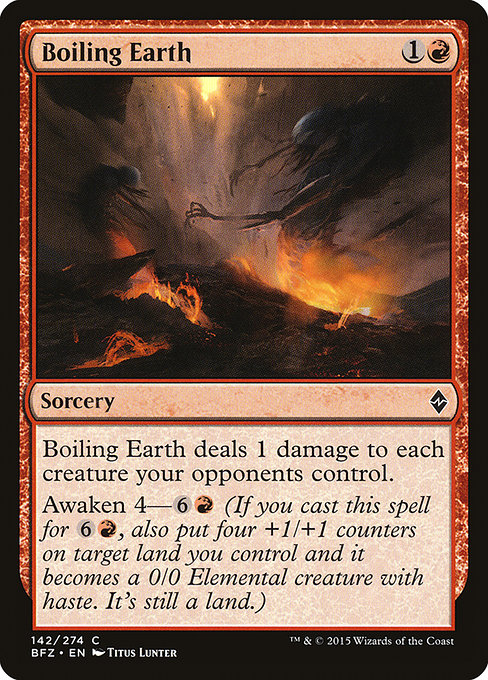
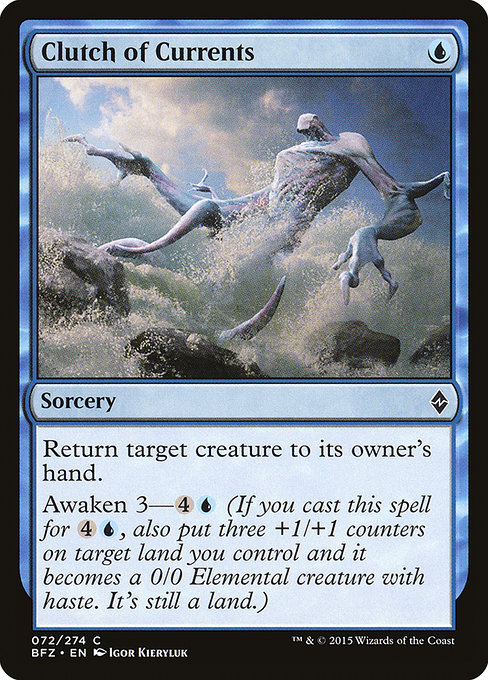
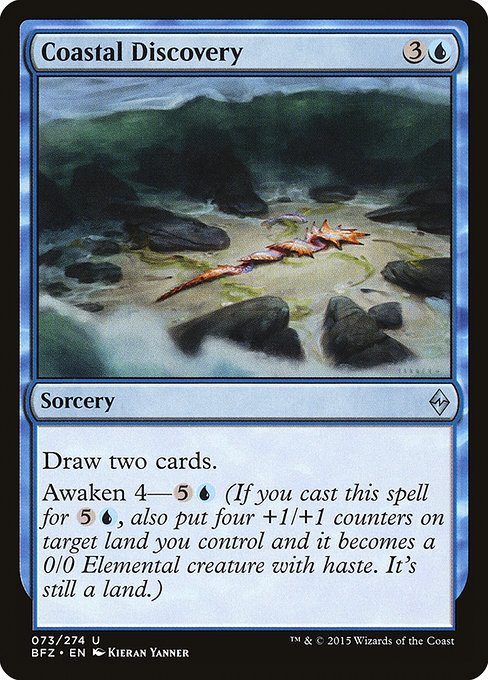
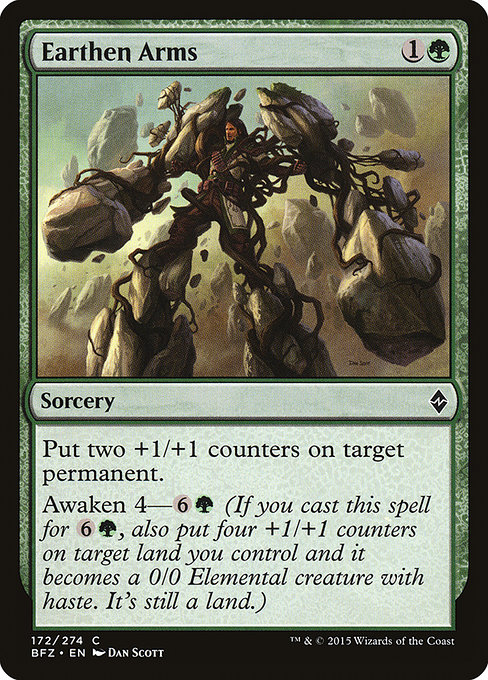
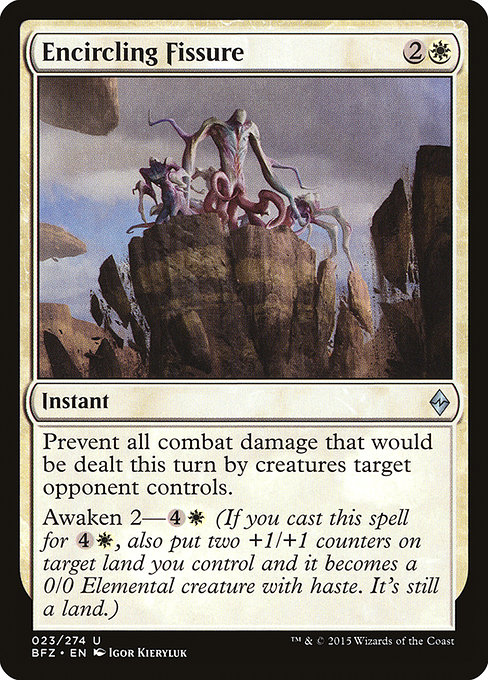
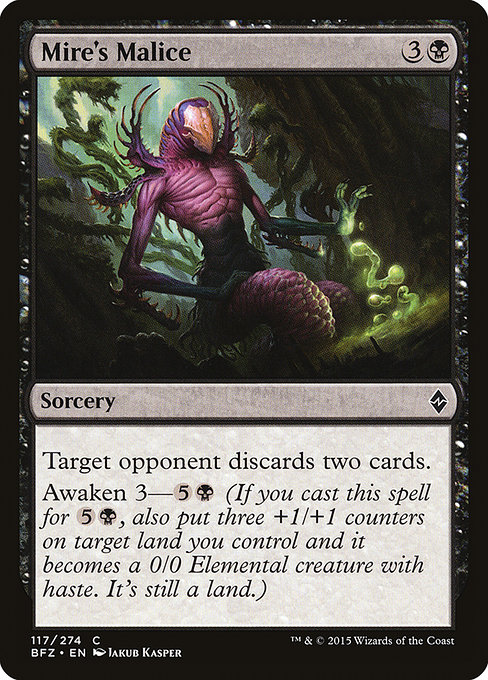
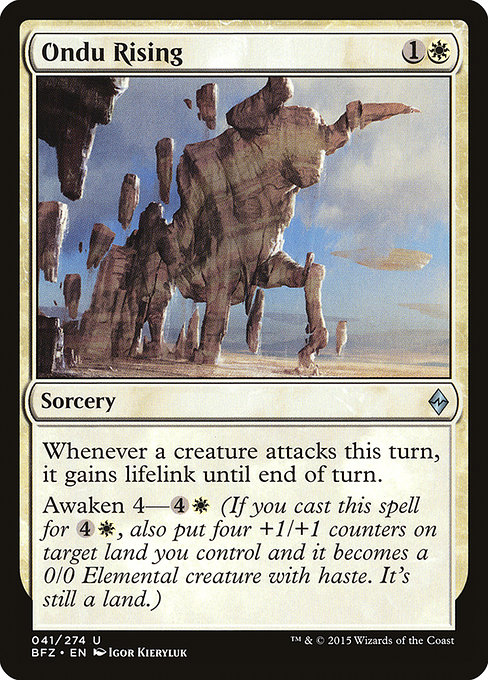
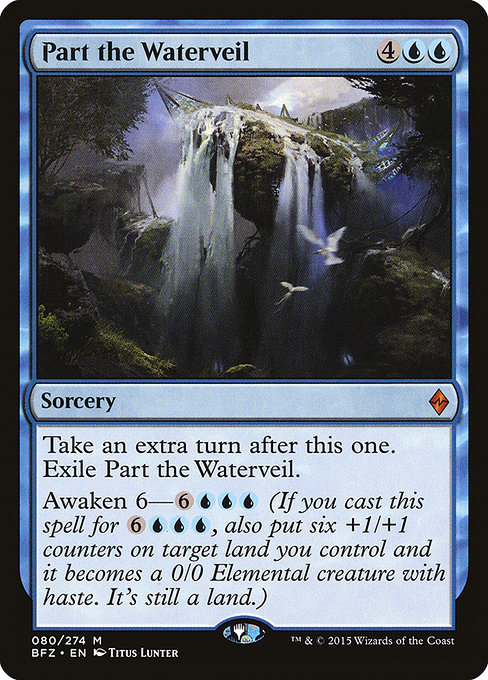
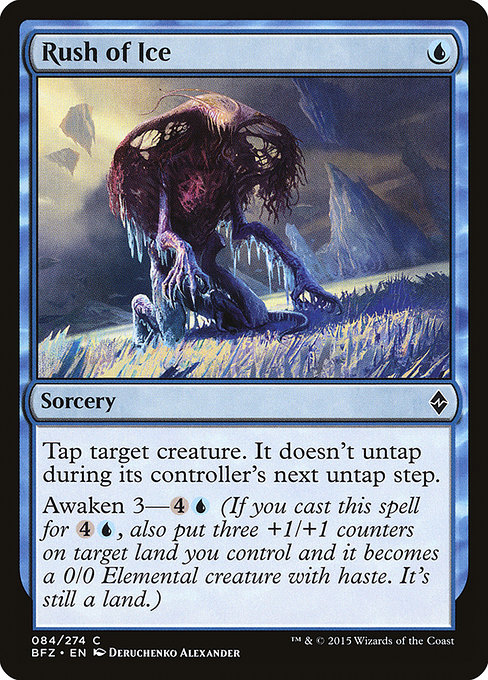
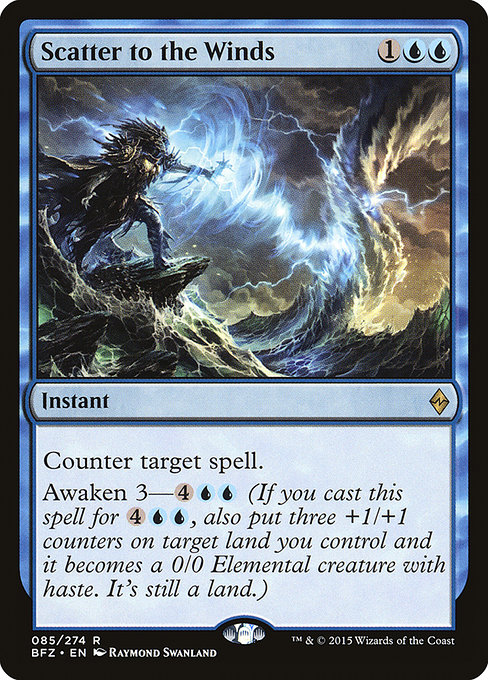
Awaken is a keyword ability that appears on Instants and Sorceries. It represents an alternative cost: instead of paying the spell's normal mana cost, you pay the awaken cost, which is usually more expensive. If you do, the spell does everything it normally would and it turns a land you control into a 0/0 Elemental creature with haste, placing N +1/+1 counters on it - where N is the number printed after the word "Awaken."
That animated land is still a land. It taps for mana, it gets hit by land destruction, and it counts toward your land count. It just also happens to be a creature now.
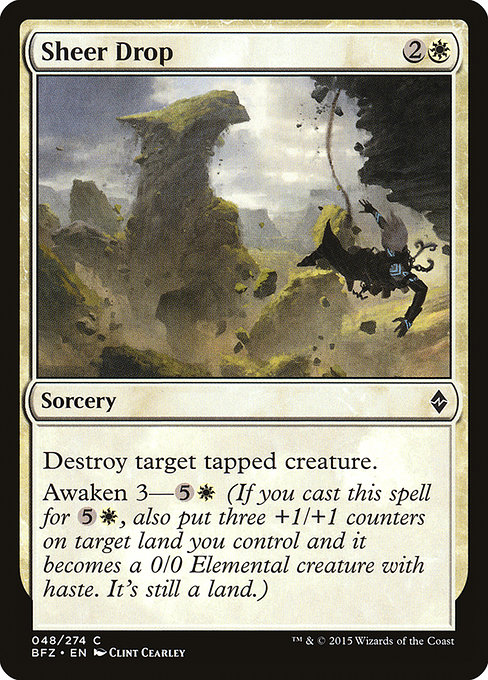
Here's a clean example from the source material:
Sheer Drop - Sorcery Destroy target tapped creature. Awaken 3 - (If you cast this spell for its awaken cost, also put three +1/+1 counters on target land you control and it becomes a 0/0 Elemental creature with haste. It's still a land.)
So you're paying more mana to destroy a creature and walk away with a 3/3 haste Elemental land. That's the core promise of Awaken in one card.
Rules
Awaken operates as two abilities bundled together (CR 702.113a):
- A static ability that gives you the option to pay the awaken cost instead of the normal mana cost while the spell is on the stack.
- A spell ability that puts N +1/+1 counters on a target land you control and turns it into a 0/0 Elemental creature with haste - but only if you actually paid the awaken cost.
"Awaken N - [cost]" means "You may pay [cost] rather than pay this spell's mana cost as you cast this spell" and "If this spell's awaken cost was paid, put N +1/+1 counters on target land you control. That land becomes a 0/0 Elemental creature with haste. It's still a land."
- CR 702.113a
Casting a spell for its awaken cost follows the standard rules for alternative costs (CR 601.2b and 601.2f-h). This means you can't combine awaken with other alternative costs, but you can still pay additional costs like kicker on top of it.
Rules note: The controller only needs to choose a land target for the awaken ability if they actually chose to pay the awaken cost. If you cast the spell normally, you ignore that target entirely (CR 702.113b).
Common rulings and edge cases
- You can target a land that's already a creature. If your land is already animated somehow, it's still a legal target for awaken. The counters go on, and it becomes a 0/0 Elemental (plus whatever else was making it a creature).
- If the spell normally has no other targets and you cast it for its awaken cost, the land becomes the spell's only target. This matters because if that land becomes illegal before the spell resolves - say, someone destroys it in response - the spell has lost its only target and will be countered entirely.
- If the spell normally does have other targets, losing the land target mid-resolution follows normal rules. The spell can still resolve and do what it normally does; only the awaken portion fizzles.
- You must choose a legal target for every instance of "target" when casting for the awaken cost. You can't skip the land target to dodge the risk - once you commit to the awaken cost, you're locked in to choosing one.
Strategy
When paying the awaken cost is correct
The honest answer is: usually in the mid-to-late game, once you have mana to spare. Awaken costs are deliberately set higher than the base spell, so you're spending real resources for that creature. In the early turns, you almost always want the cheaper version and all the mana you can get.
The sweet spot is when you have both a problem to solve and a lane to attack. If your removal spell is destroying something threatening and leaving you with a hasty 3/3 or 4/4 to swing with, you've compressed two plays into one card. That kind of card advantage - doing more with the same card - is exactly what mid-range and control decks love.
What you're actually getting
The key detail is that awaken lands come in with haste. That means your new Elemental can attack the same turn it appears, which matters a lot. You're not just building a long-term threat; you're applying immediate pressure. A 3/3 haste attacker out of a removal spell can steal a race.
That said, animated lands are uniquely vulnerable. Opponents can handle them with creature removal and land destruction, which doubles the number of answers in their deck that work on your investment. Keep that in mind before you dump four mana into awakening a land in a format where wraths or mass bounce are common.
Deck-building considerations
- Awaken rewards decks that already want instants and sorceries. If you're playing a spells-matter style - prowess creatures, draw-go control, spell-heavy midrange - the awaken cards slot in naturally and give you a creature mode for late-game stalls.
- Basics are safer targets than dual lands or utility lands. If your awakened land gets destroyed, you'd rather lose a Plains than a fetchland or a piece of mana fixing.
- Stacking counters is real. If you awaken the same land twice across multiple turns, those +1/+1 counters stack. A land that's been awakened a couple of times can get genuinely large.
- Watch your mana carefully before committing. Paying four, five, or six mana for a spell plus creature means you're tapping out. Make sure you can afford to leave yourself open.
Playing against Awaken
The simplest approach is to remove the land-creature before it can attack, ideally at instant speed in response to the awaken spell resolving. If you can destroy the land in response to the awaken spell - before it resolves - and the land was the spell's only target, the whole spell gets countered.
If you let the creature stick around, treat it like any other mid-sized attacker: block it, bounce it, exile it. Just remember it's also a land, so mass creature removal won't always take care of it.
Notable cards with Awaken
The cards in this section are the ones that saw real play or that best illustrate what Awaken does. Most of the core Awaken cards came from Battle for Zendikar (BFZ)** and its follow-up, Oath of the Gatewatch (OGW)**.
Sheer Drop - the clean textbook case. Sorcery speed, destroys a tapped creature, and the awaken version puts three +1/+1 counters on a land. Tidy and illustrative, even if it wasn't the flashiest of the bunch.
The broader Awaken cycle in BFZ included Instants and Sorceries across all five colours, at various awaken values (2, 3, 4, even higher). The Instants were generally more exciting in competitive play because you could hold them up and threaten a counterspell or trick before deciding whether to go for the awaken mode.
Animist's Awakening ({X}{G}) deserves a mention in the neighbourhood, though it doesn't use the Awaken keyword itself - it's a thematic cousin from the same set that ramps lands onto the battlefield. The mechanical family around animating and awakening lands is broader than the keyword alone.
Format check: Most Awaken cards are legal in Modern and older formats. They were Standard-legal during the BFZ/OGW era (2015-2016) and have found occasional homes in Commander as flexible spell/creature hybrid pieces.
History
Awaken was introduced as a preview mechanic in Duel Decks: Zendikar vs. Eldrazi, ahead of its full debut in Battle for Zendikar (September 2015). The set's whole flavour was the ancient Eldrazi titans literally waking something primal in the land of Zendikar - so cards that literally wake your lands into creatures fit the theme beautifully.
In early design, the number of counters was fixed: first always at 2, then always at 3. Development changed this to a variable number so that individual cards could be balanced independently. A cheap spell might award fewer counters; an expensive one might animate something enormous. That extra "knob," as the design team called it, made balancing across a whole cycle much easier.
The mechanic has been compared to evoke - the ability from Lorwyn (2007) that lets you sacrifice a creature on cast for a reduced cost to get its enters-the-battlefield effect only. The similarity is structural: both mechanics offer a cheaper mode and a more expensive mode on the same card. The difference is that evoke leads with the creature and makes the spell effect the bonus, while awaken leads with the spell and makes the creature the bonus.
Awaken hasn't returned as a keyword in subsequent sets, though the idea of animating lands has appeared in different forms throughout Magic's history - from Rude Awakening ({4}{G})'s entwine effect to Awaken the Woods ({X}{G}{G}) creating Forest Dryad land-creature tokens in more recent sets. The keyword itself remains firmly tied to the Zendikar block and that particular moment in the story.