Convoke: The MTG Mechanic Explained
There's something deeply satisfying about casting a massive creature on turn three, long before your mana should be able to support it. That's the promise of Convoke - a mechanic that turns your board of creatures into a mana pool, letting the team pay for the next big arrival.
What is Convoke?
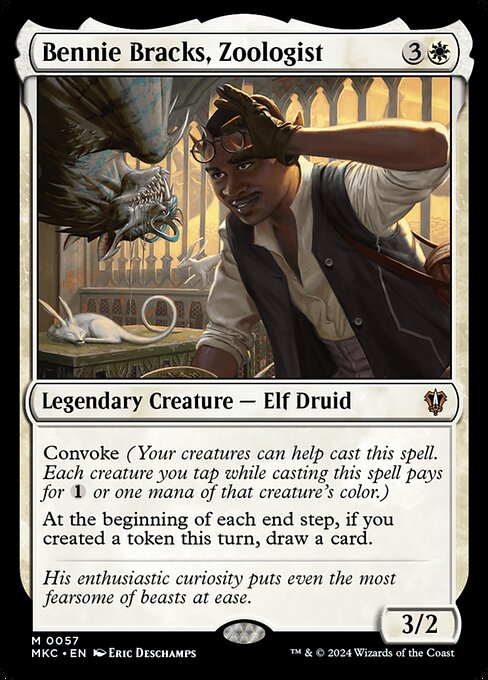
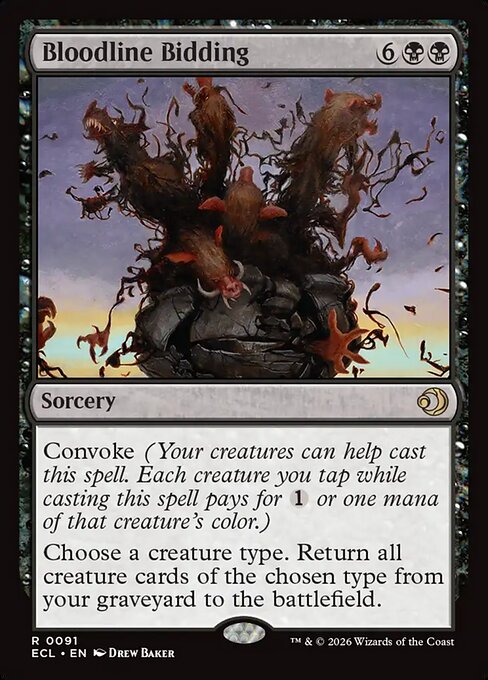
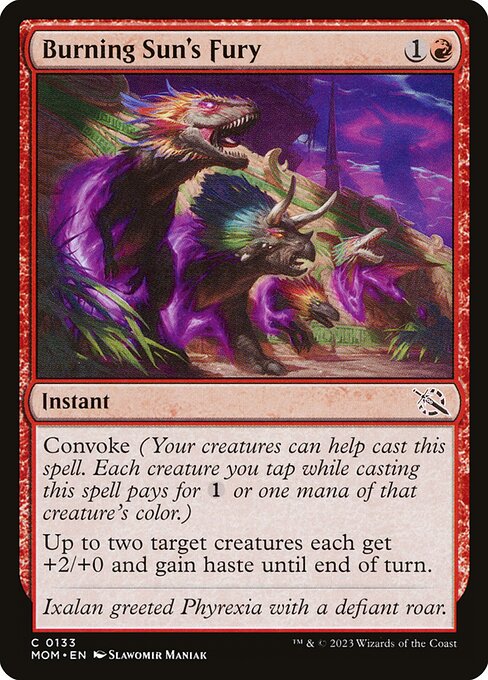
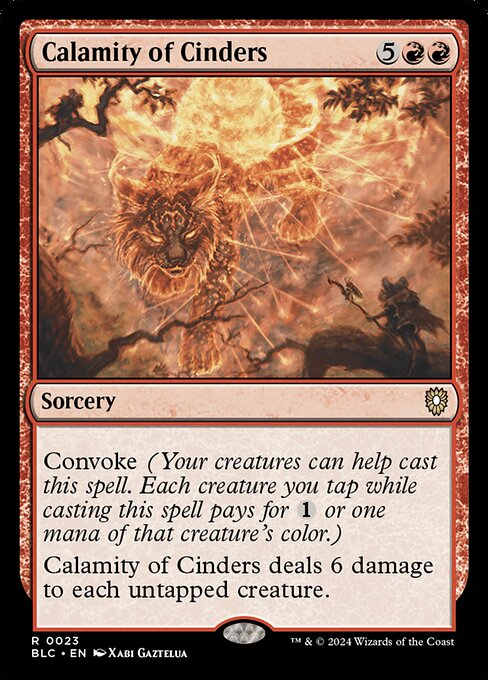
Convoke is a keyword ability that lets you tap your own creatures to help pay for a spell's casting cost. Each creature you tap pays for either {1} of generic mana or one mana of that creature's color. The more creatures you have in play, the more expensive spells you can cast ahead of schedule.
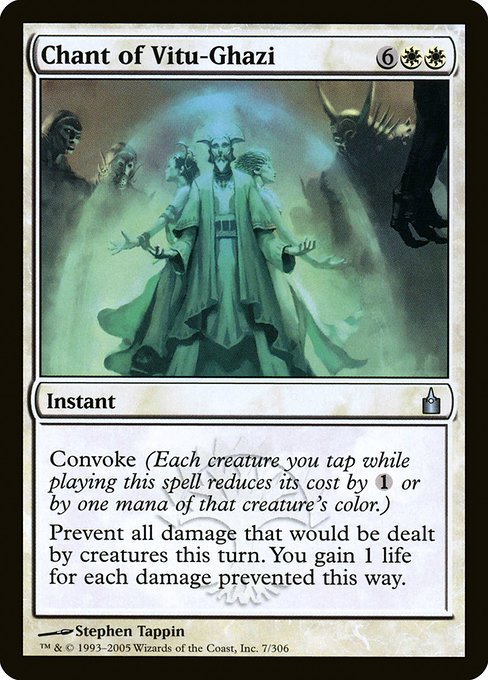
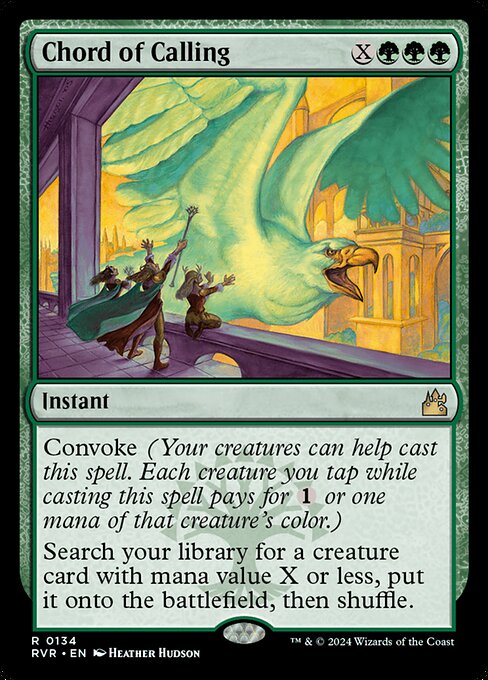
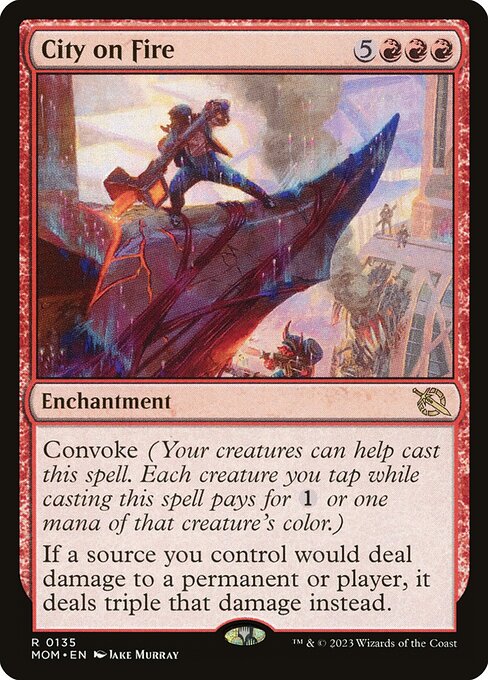
The reminder text on cards with convoke spells it out clearly: "Your creatures can help cast this spell. Each creature you tap while casting this spell pays for {1} or one mana of that creature's color."
Think of it like a collective effort - your creatures aren't just waiting around to attack and block. They're pitching in to summon something bigger.
Convoke rules
Convoke is a static ability that functions while the spell is on the stack. Here's how it actually works, step by step:
- You announce you're casting a spell with convoke.
- The spell's total cost is calculated first - including any cost increases or reductions from other effects.
- After that total cost is set, you activate mana abilities and choose how many creatures to tap.
- Each tapped creature pays for {1} of generic mana, or one mana of that creature's color if you're paying a colored mana cost.
- You pay any remaining cost with mana from your pool.
Rules note: Convoke is not an additional or alternative cost. This distinction matters because it means cost-reduction effects apply before convoke kicks in, and effects that prevent paying alternative costs don't interact with it.
The comprehensive rules make this concrete with a helpful example:
You control Heartless Summoning and cast Siege Wurm, which costs {5}{G}{G}. Heartless Summoning reduces creature spells by {2}, so the total cost becomes {3}{G}{G}. You may then tap up to two green creatures to pay the {G}{G}, and up to three other creatures to pay the {3}, paying any remainder with mana. (CR 702.51b)
A few other details worth knowing:
- The creature doing the convoking must be untapped at the time you cast the spell.
- Tapping creatures for convoke happens as part of the casting process - opponents can't respond between you tapping creatures and the spell being cast.
- Multiple instances of convoke on the same spell do nothing extra; they're redundant.
- A creature tapped this way is formally said to have "convoked" that spell, which matters for cards that care about the number of creatures that convoked.
Cards that care how many creatures convoked
Some cards don't just benefit from convoke as a discount - they scale based on how many creatures pitched in:
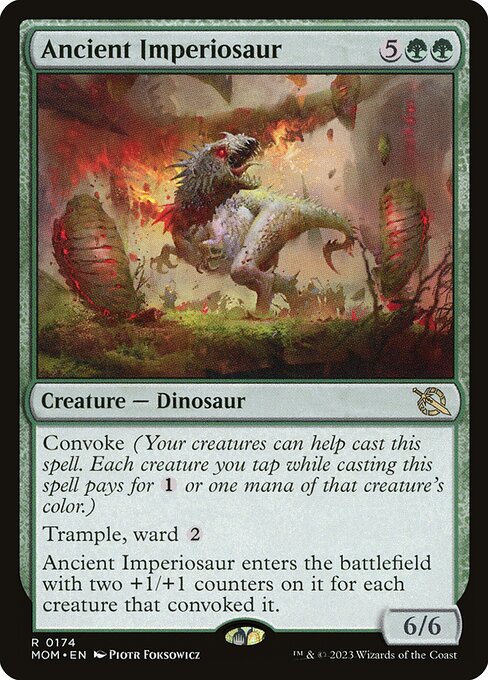
- Ancient Imperiosaur
- Lethal Scheme
- Knight-Errant of Eos
- Venerated Loxodon
- Zephyr Singer
With these, flooding the board before casting isn't just about reducing cost - it actively makes the card more powerful.
Strategy
Playing with Convoke
The core loop with convoke is straightforward: go wide, then go tall. Token producers, cheap weenies, and anything that puts multiple bodies on the board quickly all become pseudo-mana when you have a convoke payoff in hand.
Wide boards unlock the best convoke turns. A single creature tapping to help cast something is a minor bonus; five creatures tapping to cast a seven-mana spell on turn four is a tempo swing that can end games. The bigger the spell and the more creatures you control, the more broken the math becomes.
Colored mana requirements matter too. If you're trying to convoke out Siege Wurm ({5}{G}{G}), you need at least two green creatures to fully eliminate the colored pips. Other creatures can cover the generic mana. This means your creature composition matters - a mono-colored creature base is more efficient at meeting convoke's colored requirements than a rainbow pile.
Some of the standout convoke spells to build around:
- Conclave Tribunal ({3}{W}) - a repeatable-feeling exile effect that four creatures can cast for free, all while getting a meaningful permanent out of it.
- Overwhelm ({5}{G}{G}) - a potential board-winning pump spell that a large creature base can cast for little or no mana.
- Transcendent Message ({X}{U}{U}{U}{U}) - tapping creatures to draw cards is a spectacular rate; each blue creature tapped effectively draws you a card.
- Meeting of Minds ({3}{U}) - draw two cards, potentially for free if you have creatures to spare.
- Gather Courage ({G}) - a +2/+2 pump spell that can cost zero mana if you have even one green creature to tap. That's an exceptional combat trick.
Playing against Convoke
Don't let the board get wide. The counterplay to convoke is straightforward in principle: keep your opponent's creature count low. A convoke deck with two creatures is just a normal deck. A convoke deck with eight creatures is threatening to cast its entire hand in a single turn.
Wrath effects, early removal, and anything that keeps the board clean all attack convoke's engine. If your opponent is clearly setting up a big convoke turn, a well-timed sweeper before they cast the payoff can strand it in their hand.
Also watch out for instant-speed convoke spells. Gather Courage can surprise you in combat, and Meeting of Minds can refuel their hand at the end of your turn using creatures you thought were just sitting there.
Deck-building considerations
Convoke fits naturally into go-wide strategies - token decks, white weenie, and creature-heavy green builds. The mechanic is weakest in controlling or midrange shells that don't prioritize board presence. If your creatures are sitting back to block, they're also available to convoke, which gives defensive creature-based decks some flexibility.
Cost-reduction effects stack well with convoke. Heartless Summoning is the rules example for a reason - reducing a spell's total cost before convoke applies means fewer creatures need to contribute, making each one more efficient.
Notable cards with Convoke
Conclave Tribunal is probably the most format-influential convoke card of recent years. A four-mana exile-any-nonland-permanent effect is already playable, but in a deck that regularly fields three or four creatures by turn three, it often costs nothing. It was a format staple during its time in Standard.
Venerated Loxodon makes every creature that convoked it bigger - it's an anthem and a threat bundled into one card, and it defined aggressive white strategies in its Standard format.
Gather Courage is quietly one of the most efficient combat tricks ever printed for convoke decks. Zero mana for +2/+2 in the middle of combat is the kind of blowout that ends combat phases before they start.
Transcendent Message turns a full board into a draw engine at instant speed. Tapping four blue creatures essentially draws four cards for {U}{U}, which is an extraordinary rate.
Knight-Errant of Eos not only uses convoke to reduce its own cost but searches your library for one-mana creatures equal to the number that convoked it. The payoff scales directly with your board commitment.
History of Convoke
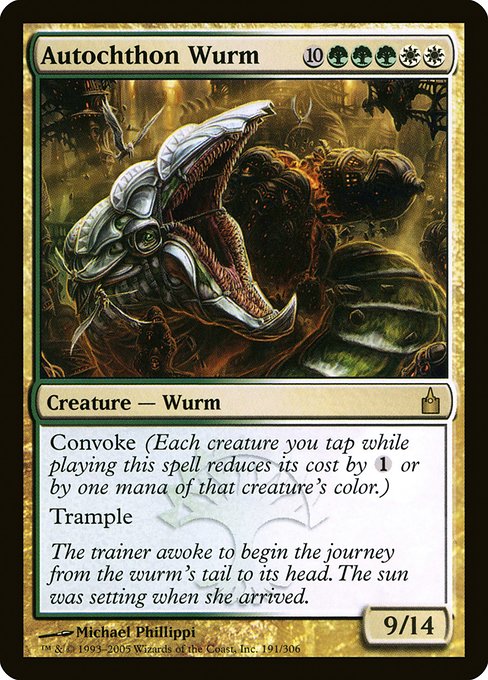
Convoke debuted in Ravnica: City of Guilds (2005) as the signature mechanic of the Selesnya Conclave - the green-white guild representing community, collective strength, and the idea that many voices (and bodies) are stronger than one. The flavor fit is elegant: your creatures literally cooperating to bring something new into the world.
Lore aside: The original symbol for convoke on Magic: The Gathering Arena, before March of the Machine, was the Selesnya Conclave guild mark - a direct nod to its Ravnican origins.
The mechanic was originally devised by Richard Garfield, Magic's creator. It returned in Magic 2015 (2014) as a deciddecidedly evergreen signal, and has appeared in sets since, most prominently in March of the Machine (2023) and in The Lost Caverns of Ixalan-era supplemental products.
Over time, convoke has expanded beyond its Selesnya roots. While it still feels most at home in green-white creature decks, it has appeared on blue spells (like Meeting of Minds and Transcendent Message) and black spells (Lethal Scheme), broadening its identity from a guild mechanic to a general keyword about cooperative casting.
The core design has remained unchanged since 2005 - a testament to how cleanly it works and how naturally it generates interesting gameplay decisions every time it appears on a card.