Madness: The MTG Mechanic Explained
Discard is usually a cost. Madness turns it into an opportunity.
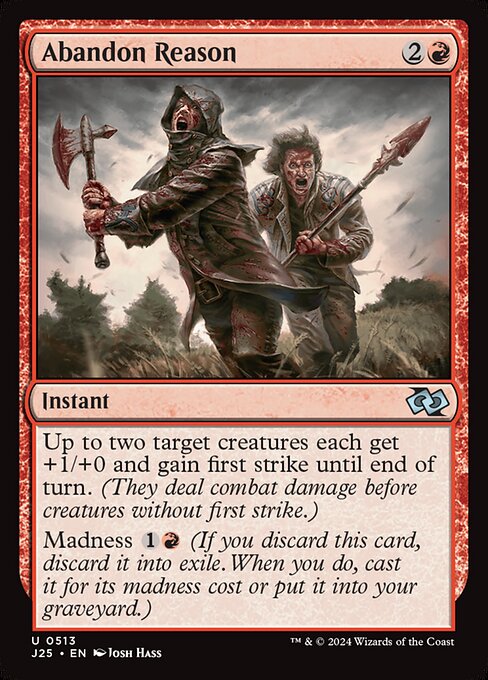
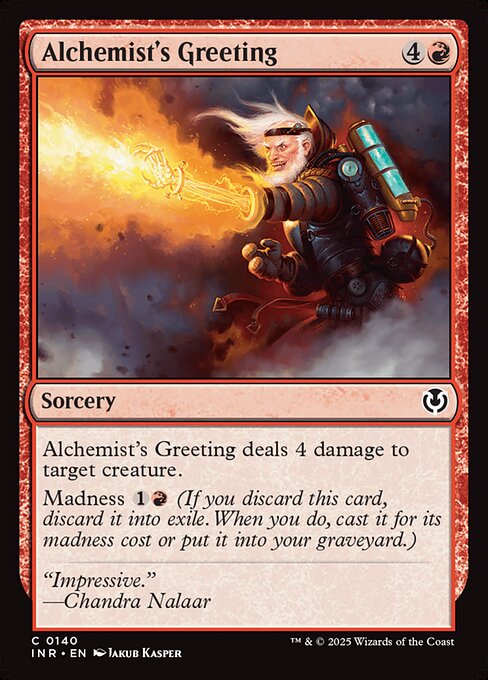
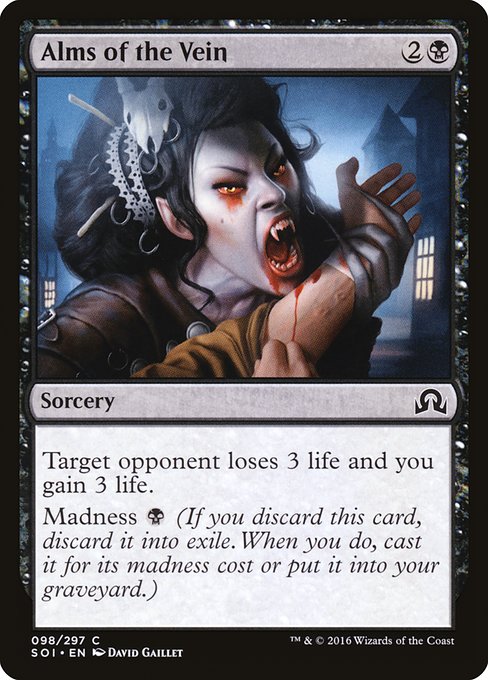
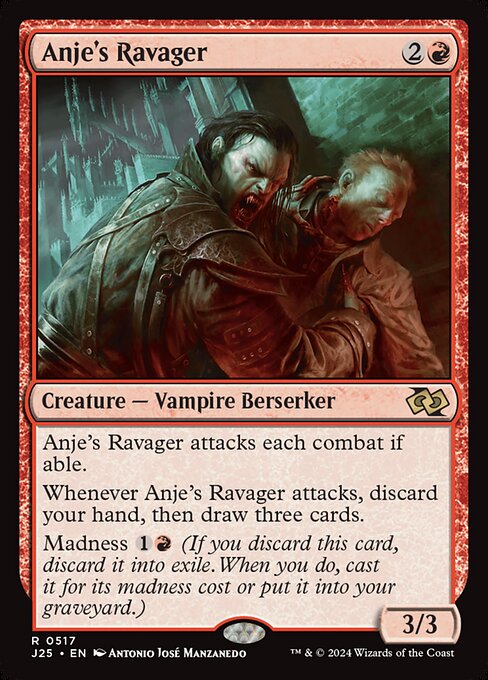
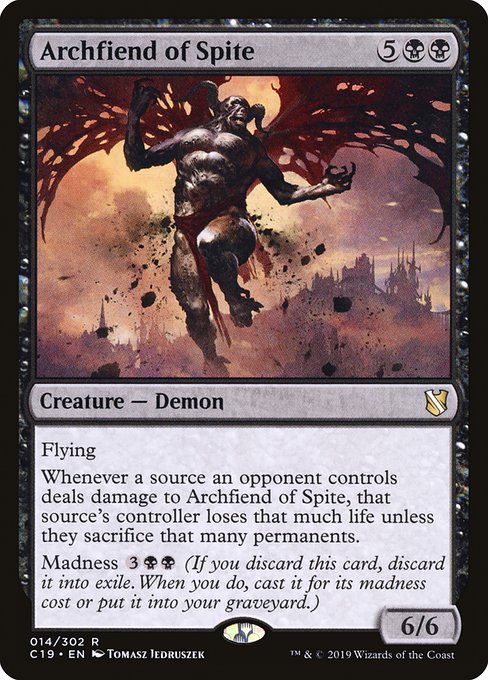
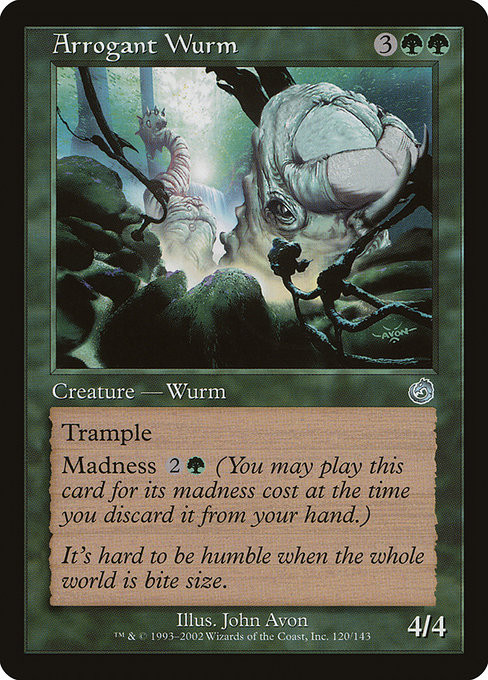
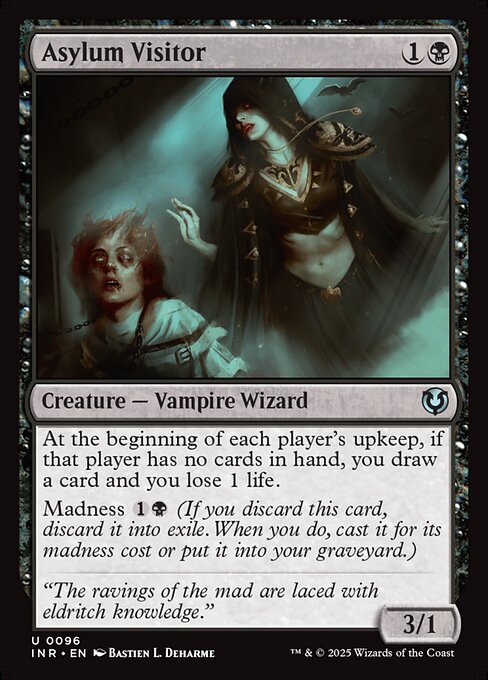
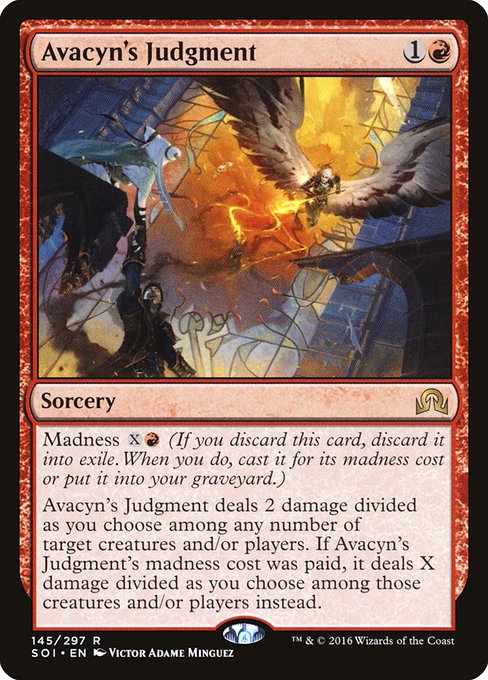
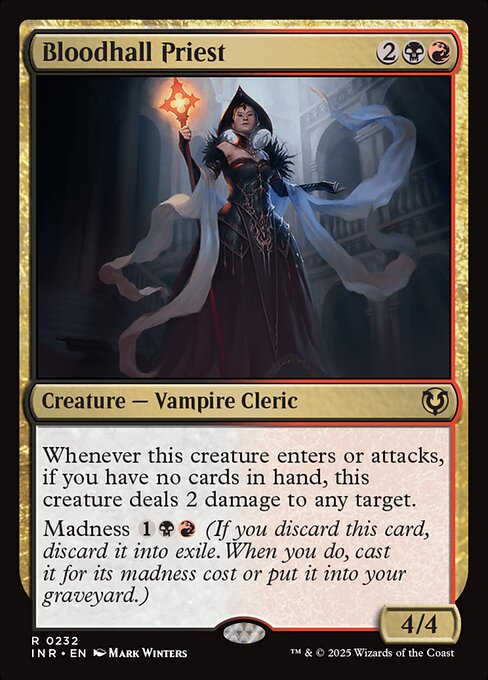
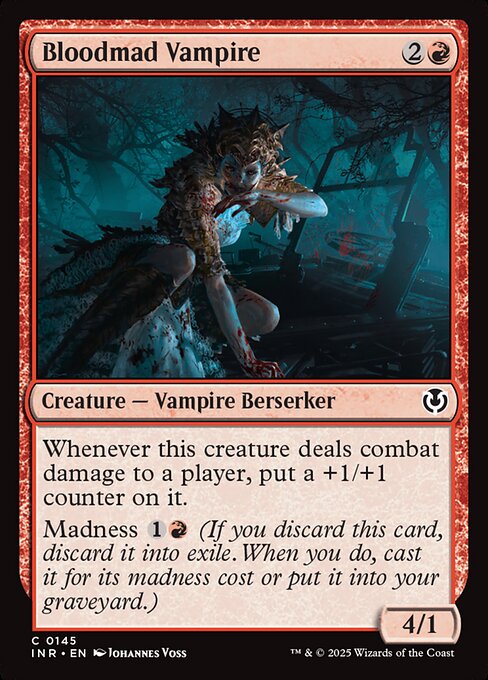
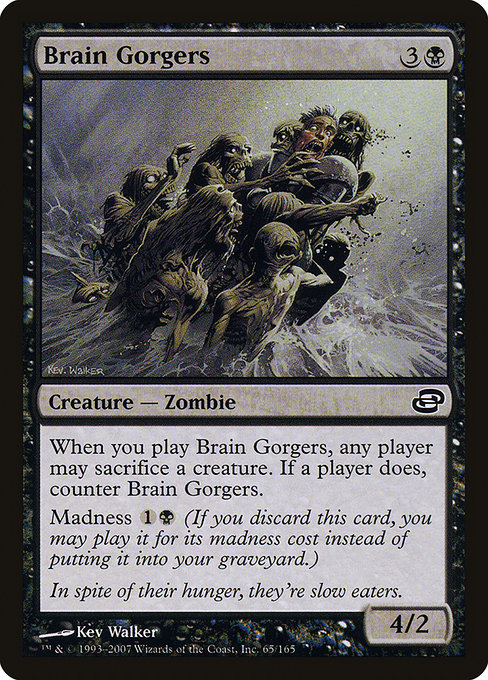
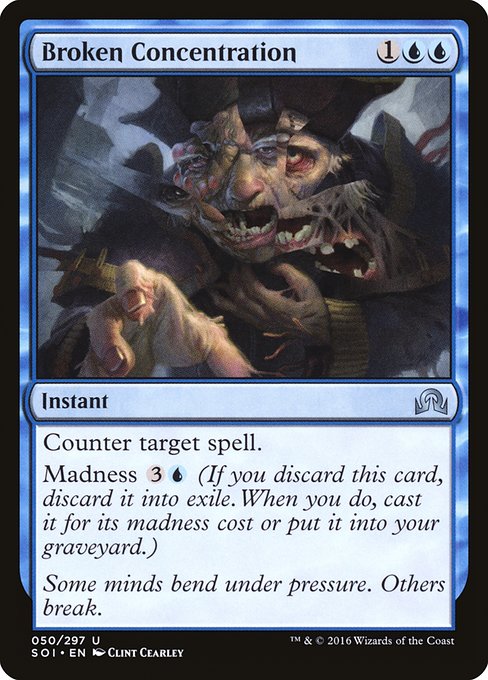
The Madness keyword lets you cast a spell as you discard it, paying an alternate cost instead of watching it disappear into the graveyard. It's one of Magic's most elegant designs: a mechanic that takes something you'd normally dread - losing a card from your hand - and transforms it into a tempo play, often at instant speed. If you've ever wanted your hand disruption to become a two-for-one, this is the mechanic for you.
What is Madness in MTG?
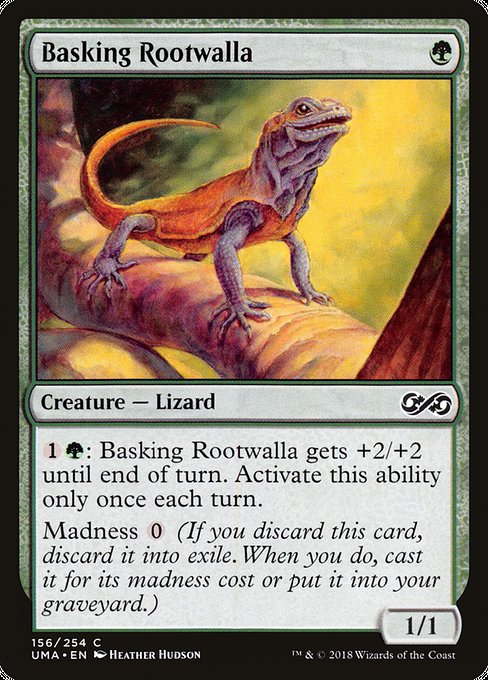
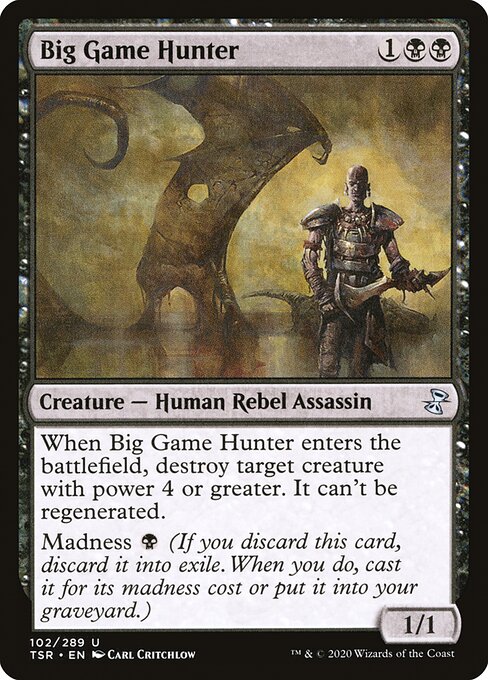
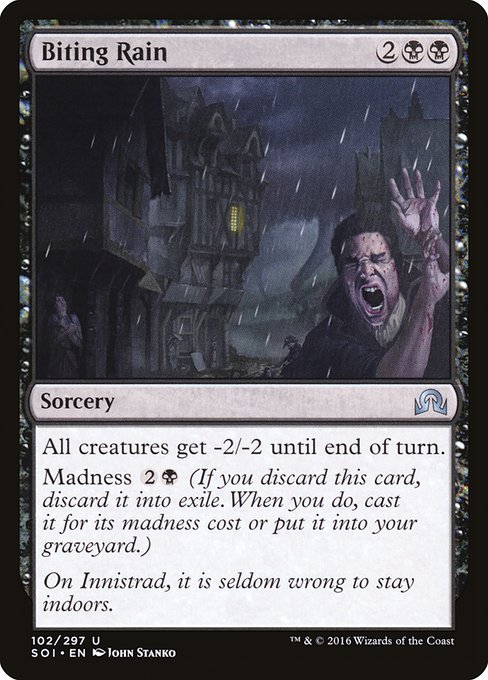
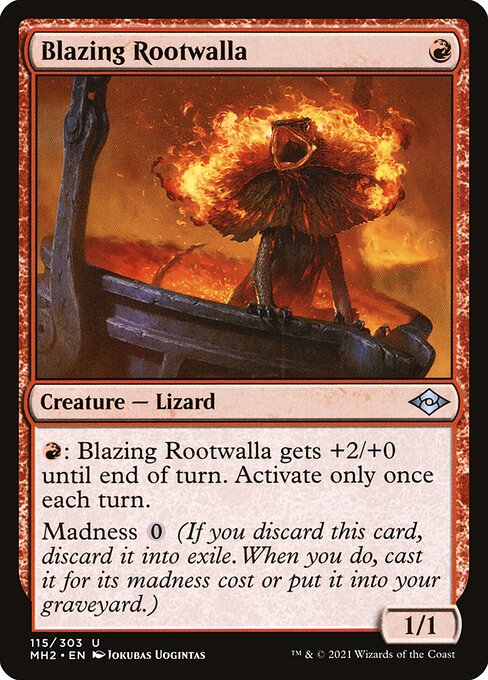
Madness is a keyword ability that gives a card an alternate casting cost, triggered specifically when that card is discarded. Instead of going straight to the graveyard, the card detours through exile, where you get a window to cast it for its madness cost. If you choose not to - or can't - it simply moves to the graveyard as normal.
The mechanic is primary in black and red, secondary in blue, and tertiary in white and green. You'll find it on spells that reward the discard-heavy strategies those colours already love: aggressive creatures, disruptive instants, and hand-sculpting sorceries.
How Madness works - the rules
The official reminder text on cards like Psychotic Haze captures it neatly:
If you discard this card, discard it into exile. When you do, cast it for its madness cost or put it into your graveyard.
Here's the step-by-step of what actually happens:
- Something causes you to discard a card with Madness.
- Instead of going to the graveyard, the card goes to exile.
- You now have a choice: cast it immediately for its madness cost, or let it move to the graveyard without casting.
- If you cast it, it resolves like any other spell. If you don't, it simply ends up in the graveyard.
The critical thing to notice is step 2: the exile step is no longer optional. Since the Shadows over Innistrad (SOI) update, a card with Madness always goes to exile when discarded. You then choose whether to cast it from there. Before SOI, players first chose whether to discard into exile at all - a subtle but meaningful difference in how the mechanic was templated.
Timing and speed
This is where Madness gets interesting strategically. Madness spells can be cast at the speed of whatever normally allows you to cast them - so an Instant with Madness can be cast at instant speed when discarded, even during an opponent's turn. That means if you have a way to discard at will (like a creature with a loot ability), you can hold up mana and effectively ambush your opponent with a spell they didn't see coming.
Rules note: If a card with Madness is discarded as part of a cost (for example, to activate an ability), the Madness trigger still happens. You discard the card, it goes to exile, and the window to cast it opens - all while the ability that required the discard is still on the stack.
Common misunderstandings
- You don't have to pay the madness cost. You can always let the card go to the graveyard instead. Sometimes that's correct - for flashback synergies, graveyard fuelling, or when the madness cost isn't actually cheaper.
- Madness isn't free. The madness cost can be lower than the regular cost (that's the whole point), but it's still a cost you have to pay. Obsessive Search, for example, costs {U} either way - its value comes from being castable without using a hand slot.
- The card goes to exile first, not the graveyard. This matters for effects that care about cards being discarded to the graveyard specifically. Check whether an effect triggers on 'discard' or on 'put into the graveyard' - those are different things here.
Madness strategy - playing with and against it
Building around Madness
Madness rewards you for having reliable, repeatable discard outlets. Without a way to discard on demand, you're at the mercy of forced discard effects - which rarely align with when you actually want to cast your madness spell.
The classic example is Wild Mongrel, the card that defined the original Torment-era decks. Mongrel lets you discard any card as an activated ability at instant speed, which means every madness card in your hand becomes a potential surprise. You pay the discard cost, the madness card exiles, you pay the madness cost, and you've done something your opponent didn't see coming.
Deck-building considerations:
- Prioritise discard outlets that activate at instant speed - they unlock the full tempo potential of Madness.
- Cards that grant Madness to other cards (like Falkenrath Gorger, which gives Madness to Vampire creature cards) can let you build a tribal Madness engine without needing every card to have the keyword printed on it.
- Madness pairs beautifully with looting effects (draw a card, discard a card) - you're cycling through your deck while keeping the option to cast anything you pitch.
- Consider your mana. You need enough available to pay the madness cost at the moment of discard. Tapping out on your turn and then discarding to a madness card on your opponent's turn is a common timing trap.
Responding to Madness
If your opponent discards a card with Madness, the window to respond is narrow. The card goes to exile, and they get priority to cast it. If you want to stop the spell, you need to counter it after it's been cast - not before. You can't preemptively counter a card sitting in exile.
One angle worth knowing: if the discard was caused by a spell or ability that also does something else, the madness spell gets cast before any other parts of the original effect resolve (depending on timing). This is a complex area - when in doubt, check the comprehensive rules or ask a judge.
Notable Madness cards
Circular Logic ({2}{U} / Madness {U}) is one of the most celebrated madness designs. A counterspell that grows more powerful as your graveyard fills - and costs only {U} when discarded - that's doing a lot of work for one keyword. It was a staple of the original UG Madness decks in Odyssey-era Standard.
Welcome to the Fold ({2}{U}{U} / Madness {X}{U}{U}) shows how cleverly Madness can interact with variable costs. Cast it normally and you can steal a creature with toughness 2 or less. Cast it through Madness and X scales with how much you invest - suddenly you're taking things with much higher toughness. The madness version is strictly a different card.
Gibbering Descent ({4}{B}{B} / Madness {2}{B}{B}) is a grindy enchantment that bleeds everyone at the table while also discarding - and it has Hellbent upside if your hand is already empty. Casting it through Madness saves you two mana on an already-expensive card and can happen mid-discard loop.
Obsessive Search ({U} / Madness {U}) looks underwhelming - it's a one-mana draw spell at the same cost either way. But the real value is that it can be cast while discarding, essentially letting you cycle it for free if you're pitching it to a discard outlet. It doesn't cost you a card slot in the traditional sense.
Strength of Lunacy ({1}{B} / Madness {B}) and Senseless Rage ({1}{R} / Madness {1}{R}) represent the aura side of Madness - ways to buff creatures that come with a discount when you're already discarding. Neither is going to break formats, but both are efficient in decks built to support them.
Madlands (Land / Madness {0}) is genuinely unusual: a land with Madness. If you discard it, you can play it for free - which is effectively never a cost, since land plays don't spend mana. There are catches (you can only play a land on your turn when you have an available land play), but the idea of a land you can pitch and immediately play is delightfully strange.
History of Madness
Madness was introduced in Torment (2002), the second set of the Odyssey block - a set so heavily weighted toward black that it's still remembered for warping the block's limited format. The flavour was perfect: Torment's story revolved around the Cabal and the creeping influence of madness on Otaria, and here was a mechanic that let spells escape the discard pile by being cast in a frenzy.
The competitive breakout came quickly. Torment's madness cards inspired a deck the community called 'UG Madness' or 'Wild Mongrel', built around the green two-drop Wild Mongrel. Mongrel's ability to discard any card as an instant-speed activated ability was the engine. Madness spells became instant-speed threats. Flashback spells got fuel. And the seven Incarnations - Anger, Brawn, Filth, Genesis, Glory, Valor, and Wonder - could be pitched to the graveyard where their passive abilities activated. It was one of the more elegant Standard decks of its era.
Madness returned in Time Spiral block (2006-2007), which was a nostalgia set built on revisiting old mechanics. The update was cosmetic - part of a broader cleanup to the Comprehensive Rules - and didn't change gameplay.
The most significant reappearance came in **Shadows over Innistrad** (SOI, 2016), where Madness was tied to the Vampire tribe and supported by the gothic horror flavour of Innistrad. This printing brought the rules change that still applies today: the exile step became mandatory rather than optional. The mechanic carried through the follow-up set Eldritch Moon (2016) as well.
Since then, Madness has made smaller appearances in Commander 2019, Modern Horizons 2 (MH2, 2021), March of the Machine: The Aftermath** (2023), and Modern Horizons 3 (MH3, 2024) - one-off inclusions rather than full mechanical themes, but a sign that Wizards sees the keyword as a permanent part of the design vocabulary.
Each return has been slightly different in emphasis: Torment loved the pure tempo of discarding and recasting; Innistrad leaned on tribal Vampire synergies; the Modern Horizons appearances have treated it as a power tool for eternal formats. The core idea, though, has never changed. Discard a card. Cast it anyway. ✨