Ninjutsu: The Complete MTG Mechanic Guide
Sneaking a creature into combat after blockers are declared is one of the most satisfying tricks in Magic. That's exactly what Ninjutsu does - and it's been delighting players and frustrating opponents since Betrayers of Kamigawa (BOK) first dropped in 2005.
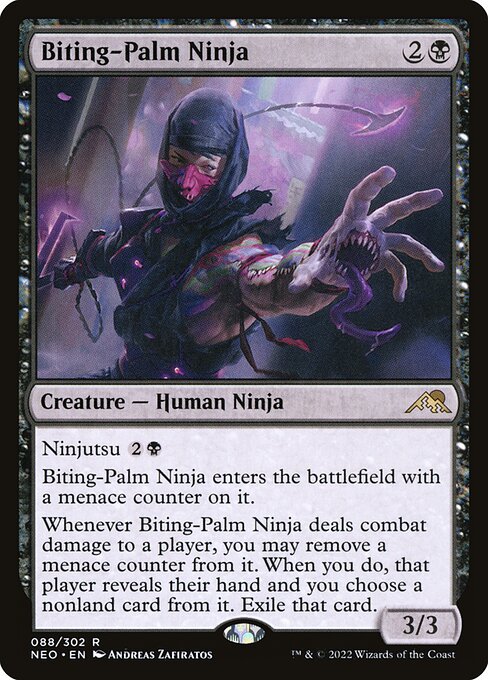
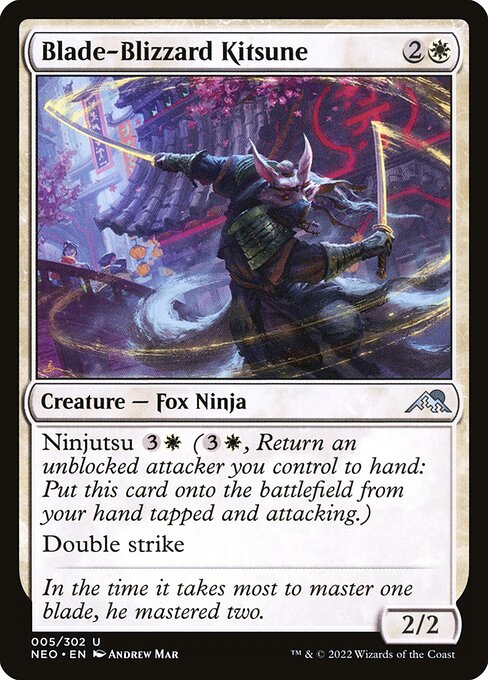
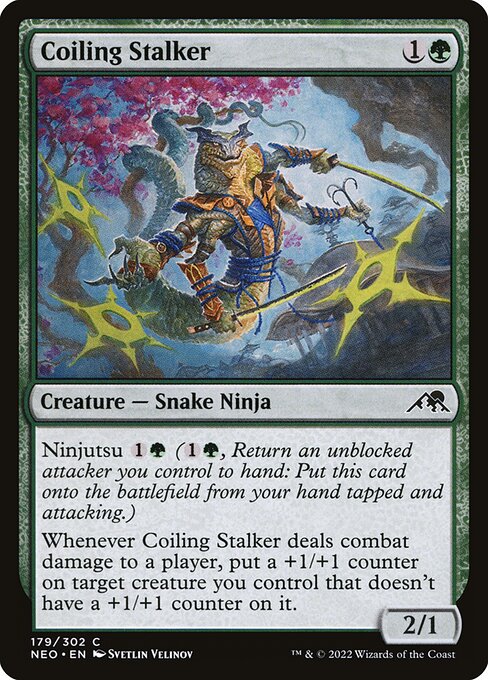
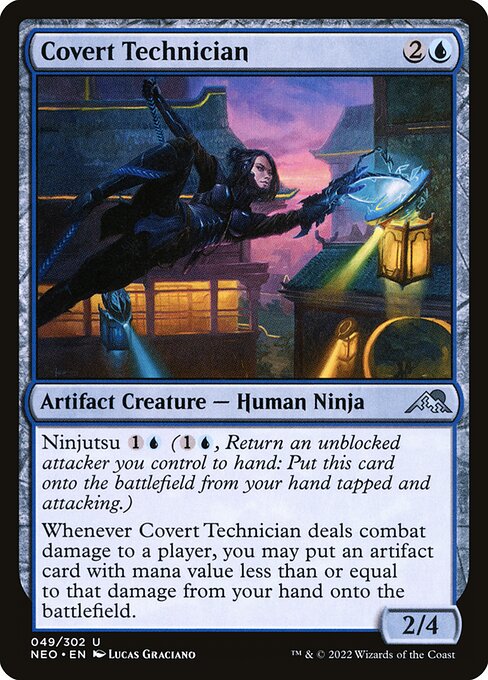
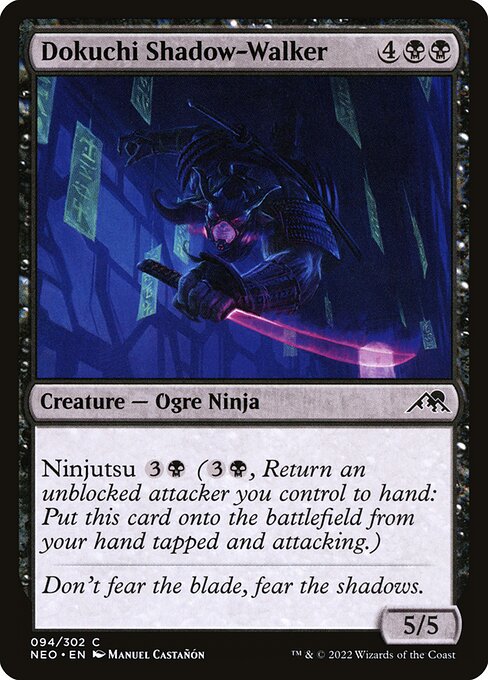
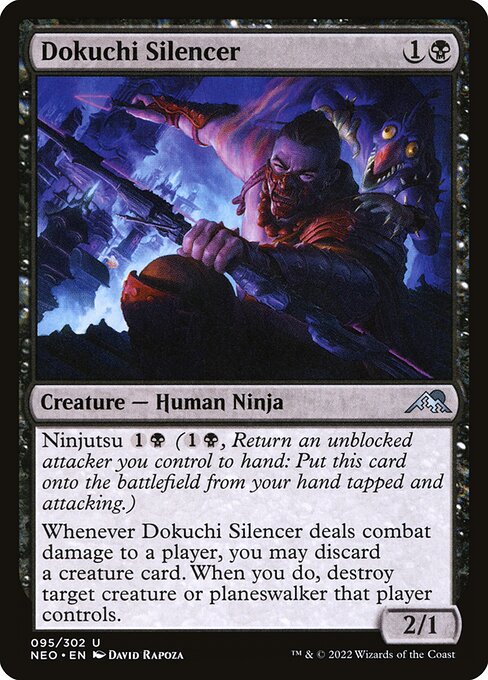
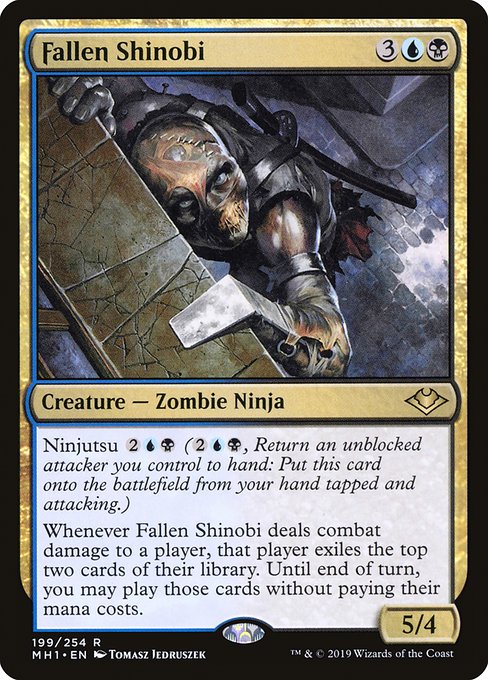
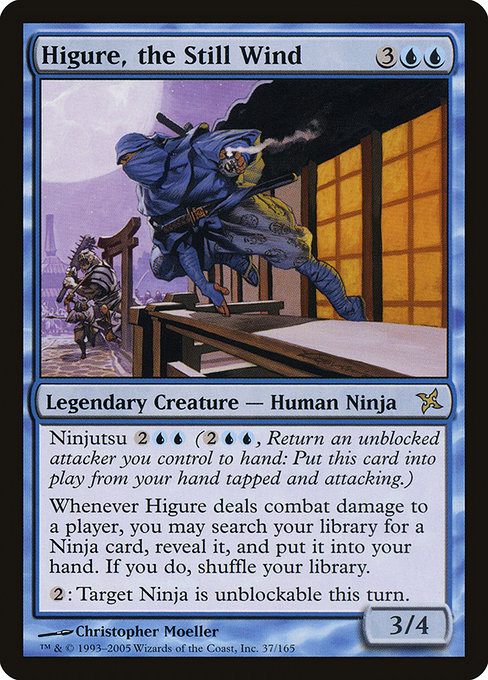
Ninjutsu is a keyword ability exclusive to Ninja creatures. It lets you swap an unblocked attacker back to your hand and drop a Ninja from your hand directly into the attack - already unblocked, already dealing damage. The original attacker did its job as a decoy; the Ninja does the real work.
What is Ninjutsu?
Ninjutsu (NIN-joot-soo) is an activated ability that represents the stealth and deception of Ninja creatures. Designed by Mark Rosewater, it was introduced in Betrayers of Kamigawa and has remained exclusive to the Ninja creature type.
Here's how it reads on Ninja of the Deep Hours ({3}{U}):
Ninjutsu {1}{U} ({1}{U}, Return an unblocked attacker you control to hand: Put this card onto the battlefield from your hand tapped and attacking.)
The key insight is what the mechanic actually does to combat. You attack with a small, unassuming creature - something your opponent doesn't feel the need to block. Once blockers are declared and your attacker is confirmed unblocked, you pay the Ninjutsu cost, return that creature to your hand, and replace it with a Ninja from your hand. The Ninja enters tapped and attacking, unblocked, ready to connect.
The original creature never takes damage, never risks dying, and goes right back to your hand - ready to serve as a Ninjutsu enabler again next turn.
Commander Ninjutsu
There's a variant called commander ninjutsu, which works identically to regular Ninjutsu except it can also be activated from the command zone, not just your hand. This variant debuted on **Yuriko, the Tiger's Shadow** in Commander 2018, making her uniquely powerful - she doesn't need to be in your hand at all to get into the attack.
Rules
Ninjutsu has a few moving parts that are worth understanding precisely before you sit down to play.
Core rules (CR 702.49)
- Ninjutsu is an activated ability that only functions while the card is in your hand (or, for commander ninjutsu, the command zone).
- You can activate it during the declare blockers step, combat damage step, or end of combat step - as long as you have an unblocked attacking creature.
- The Ninja enters attacking the same player, planeswalker, or battle as the creature you returned. You don't get to redirect it.
- The card is revealed from the moment you announce the ability until it resolves, but it doesn't leave your hand until the ability resolves.
Timing matters a lot
When you activate Ninjutsu has real consequences:
- Declare blockers step: The Ninja enters in time to deal combat damage this turn. This is usually what you want.
- Combat damage step: The original unblocked creature deals its damage first; the Ninja enters but misses the damage step it just replaced.
- First strike / double strike interaction:** If your attacking creature has first strike, you can activate Ninjutsu during the first-strike combat damage step. The Ninja then deals damage during the regular combat damage step.
Common misunderstandings
The Ninja was never declared as an attacker. This matters more than it sounds. Abilities that trigger "whenever a creature attacks" - like those on many aggressive creatures - do not trigger for a Ninja that entered via Ninjutsu. It entered attacking, but it wasn't declared as an attacker.
You need an unblocked attacker, not necessarily a Ninja. Any unblocked creature you control can be the enabler. You're not bouncing a Ninja to play a Ninja - you're bouncing anything that slipped through.
The returned creature is fine. It goes back to its owner's hand, not the graveyard. No damage, no death trigger. If it has an enters-the-battlefield (ETB) ability, you can use it again next turn.
Commander Ninjutsu rules note
Rules note: Commander ninjutsu (CR 702.49d) allows activation from the command zone as well as the hand. The reminder text reads: "{Cost}, Reveal this card from your hand or from the command zone, Return an unblocked attacking creature you control to its owner's hand: Put this card onto the battlefield tapped and attacking."
Strategy
Building around Ninjutsu
The engine Ninjutsu runs on is simple: cheap, evasive creatures that are hard to block. Flying creatures, unblockable creatures, and creatures with shadow (a keyword from Tempest-era sets that lets them only be blocked by other shadow creatures) are all ideal Ninjutsu enablers. They attack, your opponent shrugs and doesn't block, and then the real threat drops.
The classic enabler loop looks like this:
- Turn 1: Play a one-drop with evasion.
- Turn 2: Attack. Opponent doesn't block. Activate Ninjutsu. Ninja deals damage, triggers its saboteur ability, returns the one-drop to your hand.
- Turn 3: Play the one-drop again. Repeat.
This loop means a single evasive one-drop can enable Ninjutsu triggers every single turn. That's an enormous amount of value from a creature your opponent is barely paying attention to.
Saboteur abilities and payoffs
Mark Rosewater designed the original Betrayers of Kamigawa Ninjas with saboteur abilities - abilities that trigger when the Ninja deals combat damage to a player. This was a deliberate choice: the point of Ninjutsu isn't just sneaking in a big body cheaply, it's the consequence of connecting.
- Ninja of the Deep Hours draws you a card.
- Okiba-Gang Shinobi ({3}{B}) forces your opponent to discard two cards.
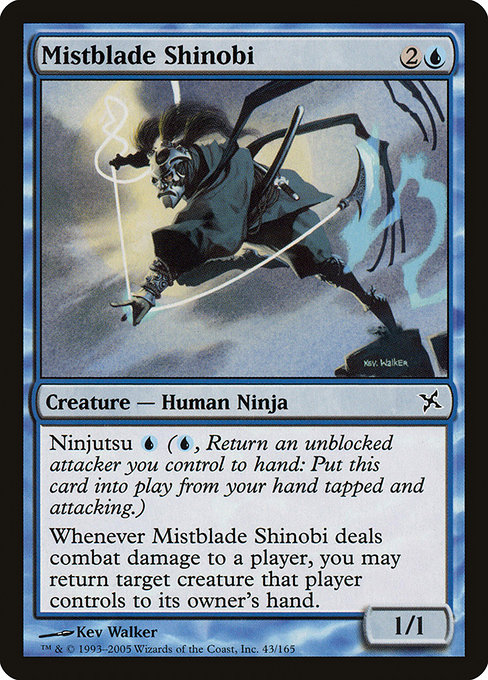
- Mistblade Shinobi bounces a creature your opponent controls.
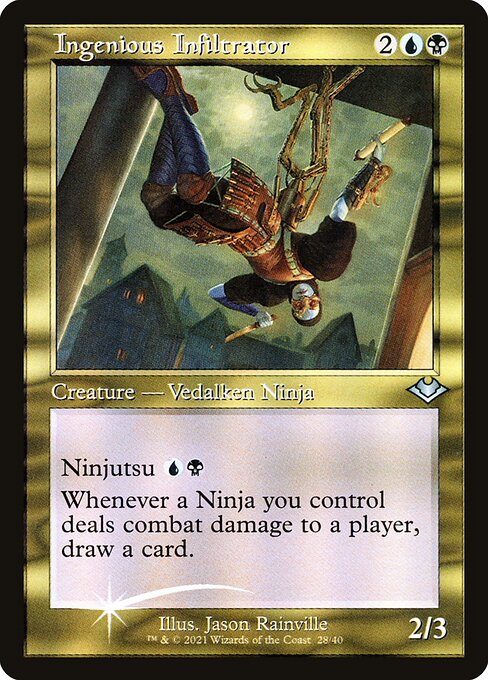
- Ingenious Infiltrator draws a card whenever any Ninja you control deals combat damage - not just itself.
That last point is key for Ninja tribal decks. Ingenious Infiltrator rewards you for building wide with Ninjas, turning every successful attack into card draw.
Playing against Ninjutsu
The straightforward answer is: block the enablers. If your opponent's evasive one-drop gets blocked, they can't activate Ninjutsu that turn. A creature is only eligible for Ninjutsu if it's unblocked - so trading with their small flier, even if it costs you a bigger creature, can deny the engine entirely.
That said, flash creatures and instant-speed interaction (removal, bounce) can answer the Ninja on the stack or right after it enters. Removing the Ninja before it deals damage stops the saboteur trigger, even if you can't stop the Ninjutsu itself.
Format check: Ninja tribal strategies appear in Modern (especially after Modern Horizons added support), Commander, and Limited formats. In Commander, Yuriko, the Tiger's Shadow is one of the most popular Ninja commanders and warps tables around her.
Deck-building considerations
- Run enough evasive enablers. One-drops with flying, unblockable, or similar keywords are ideal. The more disposable they are, the better - you want them in hand as often as possible.
- Ninjutsu costs are usually cheaper than casting the Ninja face-up, so you're saving mana and bypassing summoning sickness.
- Cards that give all your creatures Ninjutsu - like Satoru Umezawa - dramatically expand what counts as a Ninja threat, letting you sneak in massive creatures that would normally cost much more.
Notable Cards
Ninja of the Deep Hours
Ninja of the Deep Hours ({3}{U}) is the quintessential teaching card for Ninjutsu. Its cost to cast is four mana, but its Ninjutsu cost is only {1}{U} - two mana. You get a 2/2 that draws a card when it connects, for two mana and one bounced creature. That's a strong deal, and in Pauper it's a cornerstone of the Ninjas archetype.
Yuriko, the Tiger's Shadow
Yuriko, the Tiger's Shadow from Commander 2018 is the reason Ninja tribal Commander decks exist. Her commander ninjutsu ability means she can come directly from the command zone into an attack for just {U}{B} - bypassing commander tax concerns entirely. When she connects, she deals damage to each opponent equal to the top card of your library's mana value, then you draw it. Stack your deck with high-mana-value cards and she ends games fast.
Satoru Umezawa
Satoru Umezawa ({1}{U}{B}) is a build-around enabler from Kamigawa: Neon Dynasty (NEO, 2022). He gives every creature card in your hand Ninjutsu {2}{U}{B}. That means you can Ninjutsu in any enormous creature you want - Eldrazi, dragons, anything - by sneaking it through on an unblocked attacker. He also lets you dig for cards whenever you activate a Ninjutsu ability. Absurdly powerful in Commander.
Ingenious Infiltrator
Ingenious Infiltrator ({2}{U}{B}) draws a card whenever any Ninja you control deals combat damage to a player. In a Ninja tribal deck that's swinging with multiple Ninjas a turn, this becomes a repeating draw engine. Its own Ninjutsu cost of {U}{B} is very efficient for a 2/3.
Moon-Circuit Hacker
Moon-Circuit Hacker ({1}{U}) is a one-mana 1/1 with Ninjutsu {U} - among the cheapest Ninjutsu costs ever printed. It draws and discards on damage, but the discard is optional if it entered the battlefield this turn. In formats like Pauper, its raw efficiency makes it a staple.
Mistblade Shinobi
Mistblade Shinobi ({2}{U}) bounces a creature your opponent controls when it deals combat damage. Tempo plays don't get much cleaner than that - and at a Ninjutsu cost of just {U}, it's one of the cheapest ways to reuse that effect.
Thousand-Faced Shadow
Thousand-Faced Shadow ({U}) is one of the more unusual Ninjas from Kamigawa: Neon Dynasty. Its Ninjutsu cost is {2}{U}{U}, making it more expensive than most, but its enter trigger creates a copy of another attacking creature - and that token also enters attacking. The ceiling on that effect in a go-wide attack is enormous.
Kaito, Bane of Nightmares
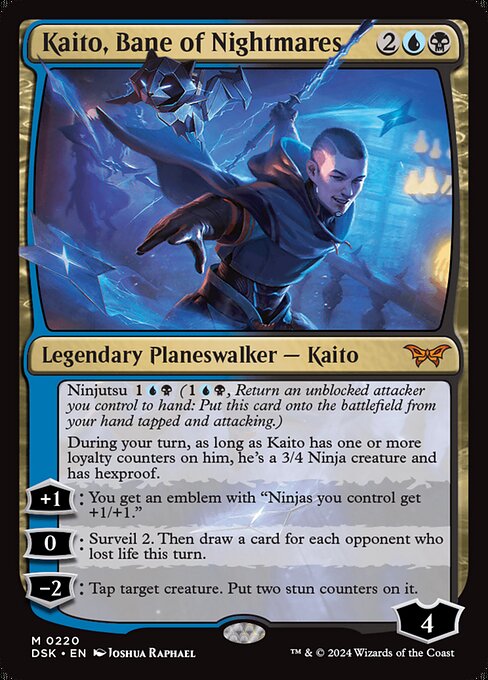
Kaito, Bane of Nightmares from Duskmourn: House of Horror is a unique case: a planeswalker with Ninjutsu. He has a self-animation ability that lets him attack as a creature, and his Ninjutsu cost lets you swap him in mid-combat. It's a genuinely novel application of the mechanic - the first time Ninjutsu has appeared on a non-creature card.
History
Betrayers of Kamigawa (2005)
Ninjutsu debuted in Betrayers of Kamigawa as a mechanical expression of the Ninja's signature stealth. Every Ninja in that set had a saboteur ability, which was a deliberate design choice - the mechanic was built around rewarding the hit, not just enabling a cheap body. The keyword was exclusive to black and blue, fitting both the sneaky and disruptive colour identities.
Planechase 2012
Ninjutsu's first return came in the Night of the Ninja Commander precon deck in Planechase 2012, where it reappeared on a small number of reprints and new designs.
Modern Horizons (2019)
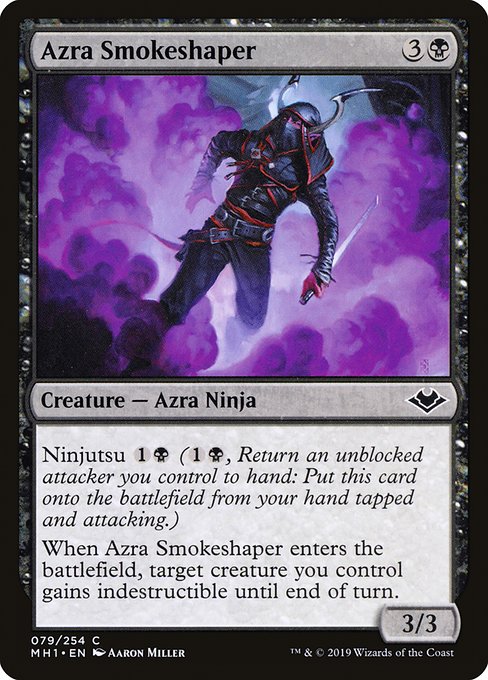
Modern Horizons (MH1) brought Ninjutsu back with some fresh angles. Azra Smokeshaper used an enters-play ability that interacted with combat in new ways, and Ninja of the New Moon took the simpler approach of being a large creature with a discount Ninjutsu cost - closer to a pure rate card than a saboteur.
Commander 2018
Yuriko, the Tiger's Shadow introduced commander ninjutsu - a variant that functions from the command zone. This was a significant design expansion, creating a Ninja commander who fundamentally plays by slightly different rules than other commanders.
Kamigawa: Neon Dynasty (2022)
The return to Kamigawa brought Ninjutsu back to Standard for the first time since the original Kamigawa block rotated out. NEO expanded the design space significantly - some Ninjas cared about entering from your hand while attacking (a distinct trigger condition), some had powerful one-time saboteur effects, and Satoru Umezawa turned the whole mechanic into a universal cheat engine.
Duskmourn: House of Horror (2024)
Ninjutsu made a surprise cameo in Duskmourn on Kaito, Bane of Nightmares - a planeswalker with a self-animation ability and a Ninjutsu cost. It's a small appearance, but a sign that designers haven't finished finding interesting spaces for the mechanic.
The variant that wasn't
Lore aside: During development for Guilds of Ravnica, a variant called Disguise was considered as the Dimir mechanic. In this version, the Ninjutsu-ing creature would be treated as the same object as the creature it replaced - meaning auras, equipment, and counters would carry over. The idea was shelved, but it's a fascinating look at how deep the design space around this kind of effect can go.