Reinforce: MTG Mechanic Explained
What is Reinforce?
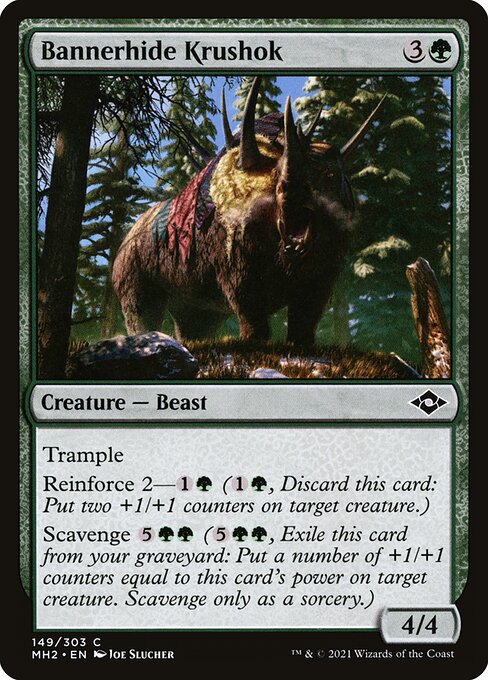
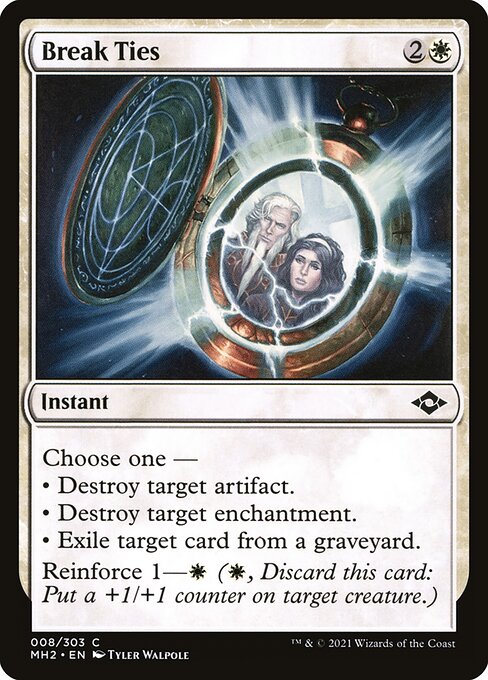
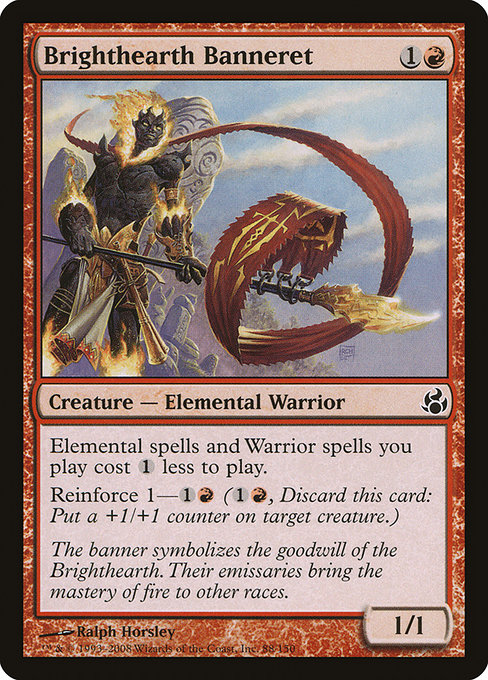
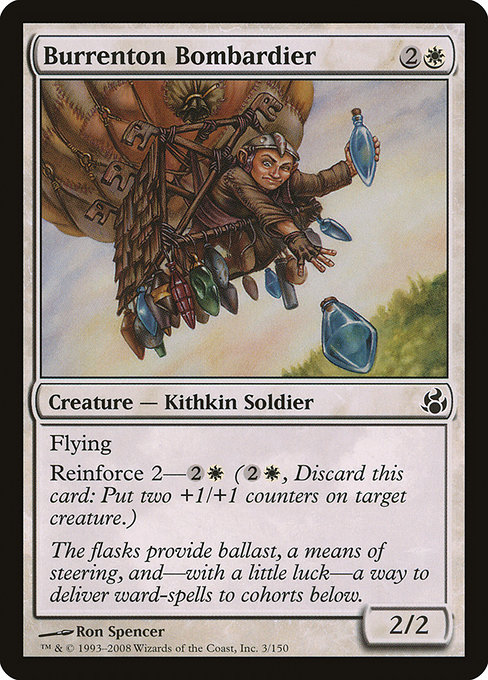
Sometimes the best thing a card can do is step aside so a teammate can shine. That's the spirit behind Reinforce, a keyword ability introduced in Morningtide (2008) that lets you discard a card from your hand to put +1/+1 counters on a creature you control.
Reinforce turns cards that might otherwise be situational - combat tricks that don't quite fit the board state, or spells that are too slow to cast - into permanent stat boosts. Instead of playing a card for its face effect, you pay an alternative cost, discard it, and use it as fuel to grow your best creature. It's a built-in way to turn "dead" cards in hand into something meaningful.
The ability appears most commonly on creatures and instants, giving you two distinct ways to use the same card depending on what the game is asking of you.
How Reinforce works
The rules text for Reinforce follows a consistent pattern:
Reinforce N - [cost] means "[Cost], Discard this card: Put N +1/+1 counters on target creature."
- CR 702.77a
The N is a number that tells you how many +1/+1 counters you're placing. Some cards fix that number (Reinforce 1, Reinforce 2), while others use X - meaning you choose how many counters to place, and X affects the mana cost you pay.
Here's a quick example of both on real cards:
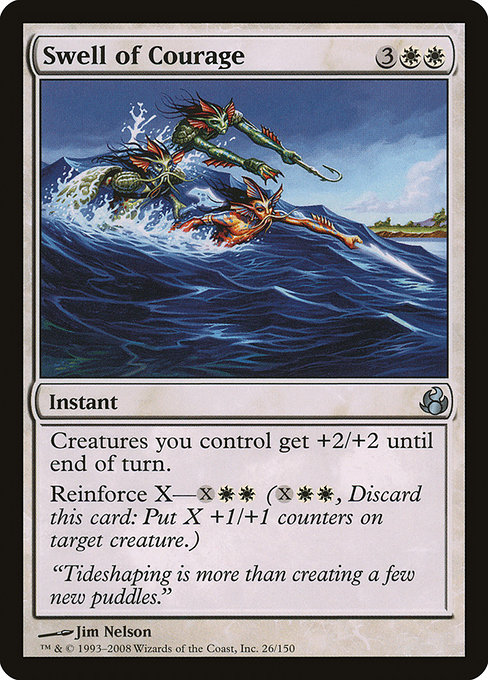
| Card | Reinforce Cost | Counters Placed | |---|---|---| | Earthbrawn | {1}{G} | 1 | | Swell of Courage | {X}{W}{W} | X (variable) |
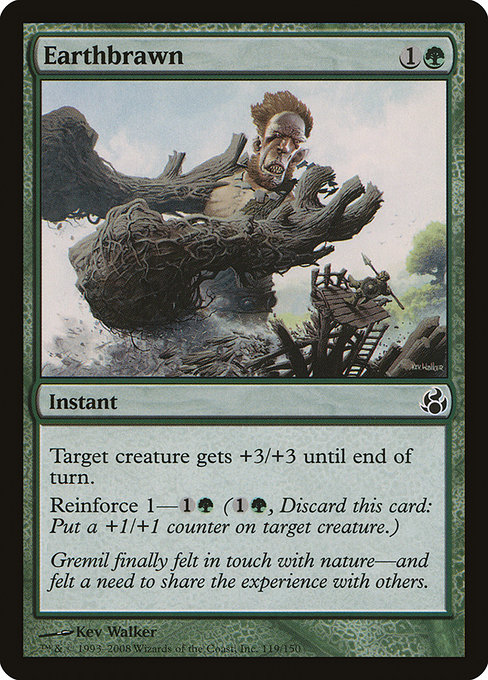
Earthbrawn is a clean illustration of how the mechanic feels in practice. On its face it's a one-shot pump spell - target creature gets +3/+3 until end of turn. But if you don't need the temporary boost, you can pay {1}{G} and discard it instead to put a permanent +1/+1 counter on any creature. Same mana, very different outcome.
Swell of Courage scales up nicely. As a spell, it gives your whole team +2/+2 until end of turn. But if you'd rather invest in one creature permanently, you can pour as much mana as you like into X and stack counters accordingly.
Rules and edge cases
Reinforce only activates from your hand
This is the big one. Reinforce is an activated ability that functions only while the card is in your hand. You can't activate it from the battlefield, from your graveyard, or from exile.
CR 702.77a: Reinforce is an activated ability that functions only while the card with reinforce is in a player's hand.
The ability still "exists" outside your hand
Here's the subtler rule, and it trips people up occasionally:
CR 702.77b: Although the reinforce ability can be activated only if the card is in a player's hand, it continues to exist while the object is on the battlefield and in all other zones. Therefore objects with reinforce will be affected by effects that depend on objects having one or more activated abilities.
In practice, this means that if an effect cares about "creatures with activated abilities" - say, something that gives a bonus to any permanent with an activated ability - a creature with Reinforce qualifies, even though you can't actually use Reinforce while the creature is on the battlefield.
Rules note: Reinforce is an activated ability, not a triggered one. That means you choose when to use it (as long as you could normally activate abilities - generally any time you have priority), and it goes on the stack like any other activated ability. Your opponent can respond to it before the counters are placed.
You must discard the card as a cost
Discarding is part of the cost, not part of the effect. Once you've paid the cost and the ability is on the stack, the card is already in your graveyard. Countering the ability (if that were somehow possible for an activated ability) doesn't return the card to your hand.
Reinforce targets a creature
The ability says "target creature" - which means it can be any creature on the battlefield, not just one you control. In practice you're almost always targeting your own, but the targeting rules apply: the creature needs to be a legal target when you activate the ability and when it resolves.
Strategy
Getting double value from your cards
The core appeal of Reinforce is flexibility. A card with Reinforce is never truly dead in hand - if you don't want to cast it as a spell, you can convert it into a permanent counter on a creature. This is especially useful in formats or decks that care about not having wasted draws late in the game.
Think of it like a modal card with two modes that cost the same mana: "temporary, board-wide effect" versus "permanent, single-creature buff." Choosing between them correctly is where the real skill lives.
Building around +1/+1 counters
Reinforce pairs naturally with anything that cares about +1/+1 counters being placed. If your deck has creatures that trigger when counters are added, or static abilities that scale with counter counts, Reinforce cards become more than just backup plans - they become engines.
In Commander, this synergises with commanders or permanents that reward you for putting counters on creatures: think Proliferate effects, or creatures that get bonuses when counters are added to any creature you control.
Playing against Reinforce
When your opponent has cards with Reinforce in hand, be aware that they have a mana sink available at almost any point. Even if the board looks unfavourable for them to cast their hand, they may be holding Reinforce activations to pump a key creature in response to a combat trick or removal spell.
Reinforce activations happen at instant speed (since you activate them while holding priority), so a creature you thought was safe to block might grow before damage resolves. Account for this when making combat math decisions.
Discard synergies
Because Reinforce requires discarding the card as a cost, it has natural synergy with effects that care about discarding - Madness enablers (in the right format), Reanimator strategies that want cards in the graveyard, or Cycling-style value decks that want to churn through their hand. Reinforce cards in those contexts are doing triple duty: cast them, or use them as fuel for Reinforce, or discard them for another effect entirely.
Notable cards with Reinforce
Earthbrawn
Earthbrawn ({1}{G}) is a textbook example of why Reinforce is a well-designed mechanic. The front face - +3/+3 until end of turn - is a respectable combat trick in green. The Reinforce 1 back face costs exactly the same mana to put a permanent counter on a creature. You're never in a situation where this card does nothing; the question is just which mode fits the game state better.
In Limited especially, that kind of flexibility is genuinely powerful. One card that threatens to be a combat trick or a counter-placer forces your opponent to think about two different lines simultaneously.
Swell of Courage
Swell of Courage ({3}{W}{W}) takes the mechanic in a more explosive direction. The base spell is a team pump - all your creatures get +2/+2, which can end games or stabilise a messy board. The Reinforce X mode lets you invest heavily in a single creature if you have the mana: dump {8}{W}{W} into it and put six counters on your best threat.
It's a card that scales with the stage of the game. Early, you might use a modest Reinforce activation to shore up a creature. Late, you might just cast the pump spell for the team. And in a deck that really wants +1/+1 counters in bulk, the X mode is the main event.
History of Reinforce
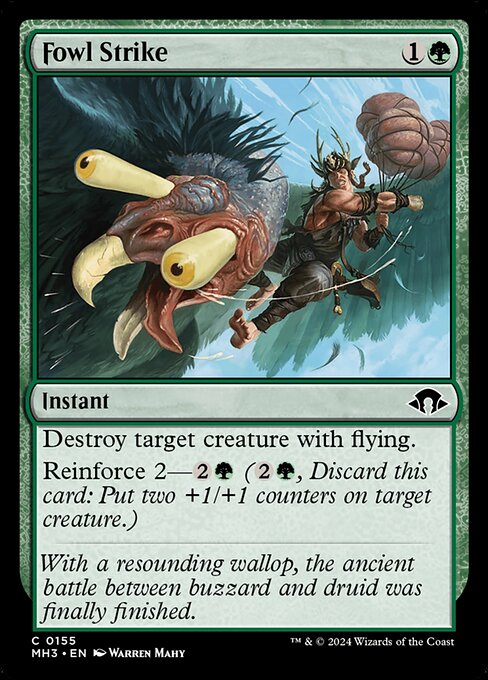
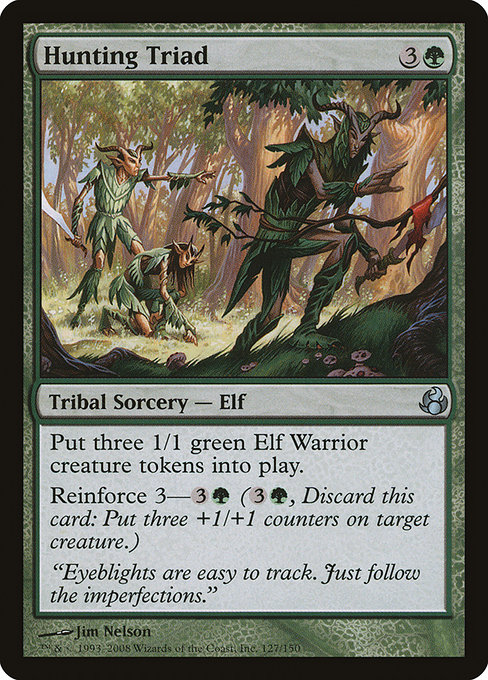
Reinforce was introduced in Morningtide (January 2008), the second set in the Lorwyn block. Lorwyn block was deeply focused on tribal themes - Kithkin, Merfolk, Goblins, Elves, and so on - and Reinforce appeared primarily on white and green cards, fitting those colours' shared interest in growing creatures and building long-term board presence.
The mechanic was designed to solve a familiar Limited problem: cards that are good in some situations and nearly useless in others. By giving them a second mode that converts them into permanent counters, Morningtide gave players a safety valve for awkward draws.
Reinforce didn't return in subsequent sets and remains associated specifically with Morningtide. It occupies a similar design space to later mechanics: Bolster (introduced in Fate Reforged, 2015) also places +1/+1 counters, but targets the creature with the least toughness rather than any target creature, and doesn't require discarding a card. The two mechanics scratch a related itch but play quite differently.
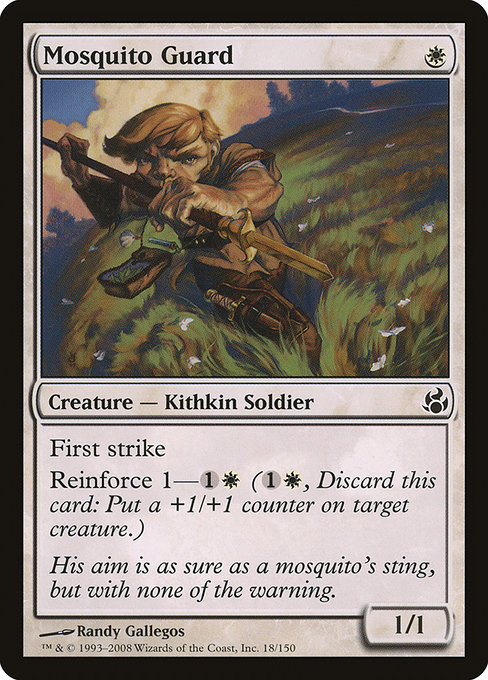
Lore aside: Morningtide continued the Lorwyn block's story of the world shifting from perpetual daylight into its first experience of night - a transformation that had sweeping effects on the plane's tribes. The Kithkin Soldiers that carried many of the Reinforce cards, like Mosquito Guard, reflect that era's focus on white weenie creatures growing through resilience and community.
While Reinforce hasn't reappeared, the design space it explored - discarding a card as a cost to do something useful - has been revisited repeatedly in Magic's history. It remains a clean, intuitive mechanic: when the card isn't useful as a spell, make it useful as a resource.