Soulshift: The MTG Mechanic Explained
One of Magic's most elegant recursion mechanics, Soulshift rewards you for building a deck full of Spirits - and punishes opponents who think killing your creatures solves their problem. Every time a Soulshift creature dies, you get to fish another Spirit back from your graveyard to your hand. Chain them together correctly, and a single death trigger can spiral into a cascading engine of value that's very hard to actually stop.
What is Soulshift?
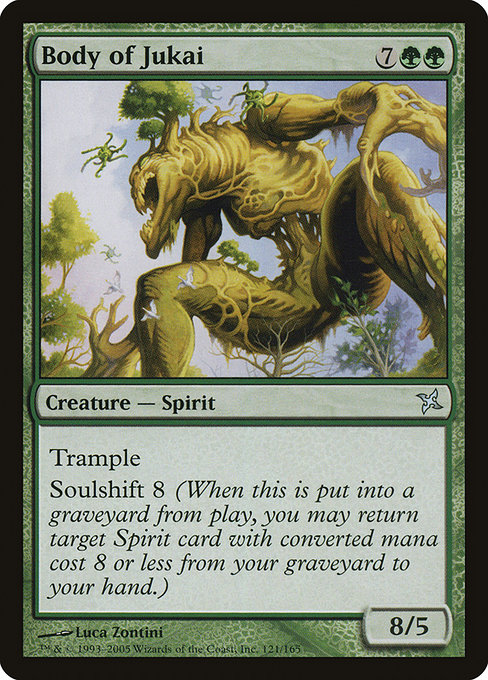
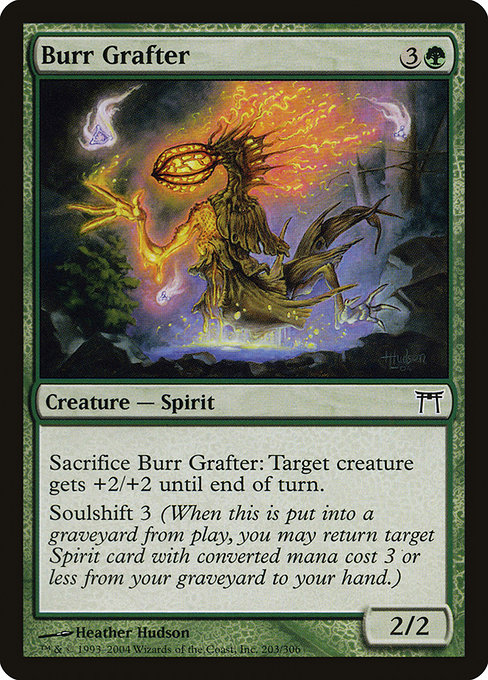
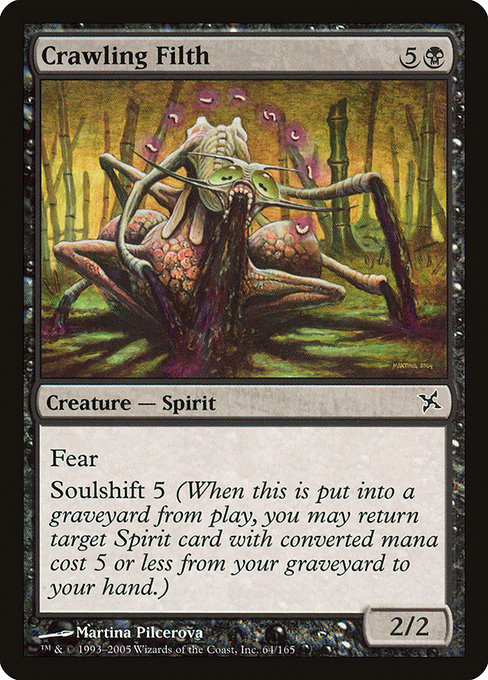
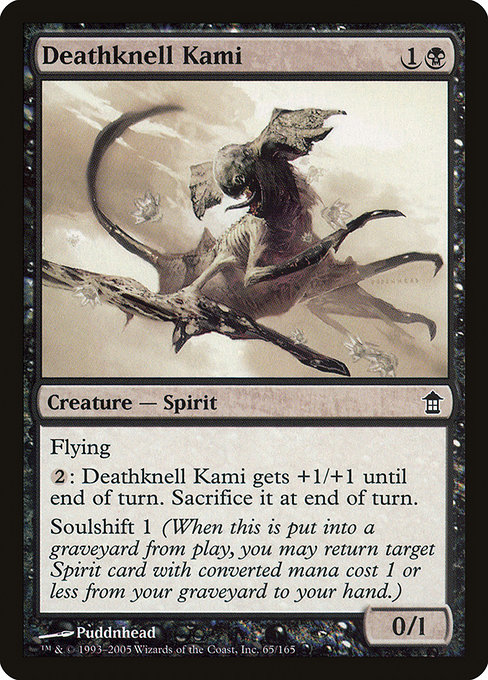
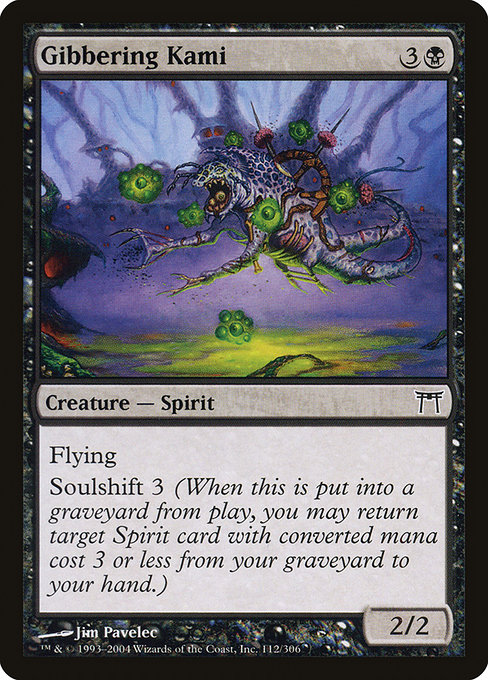
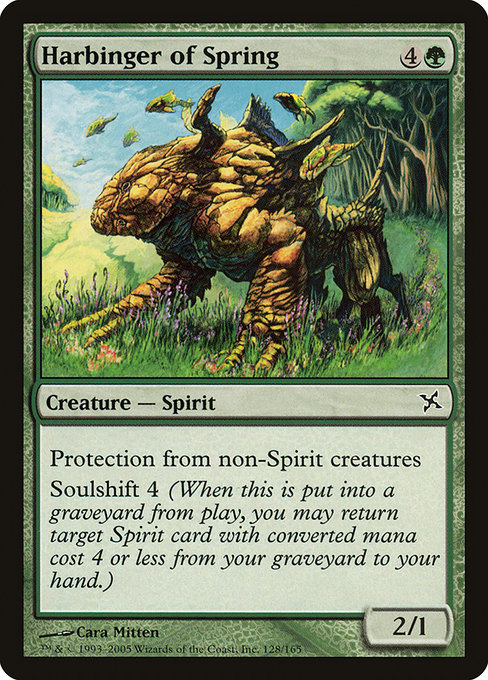
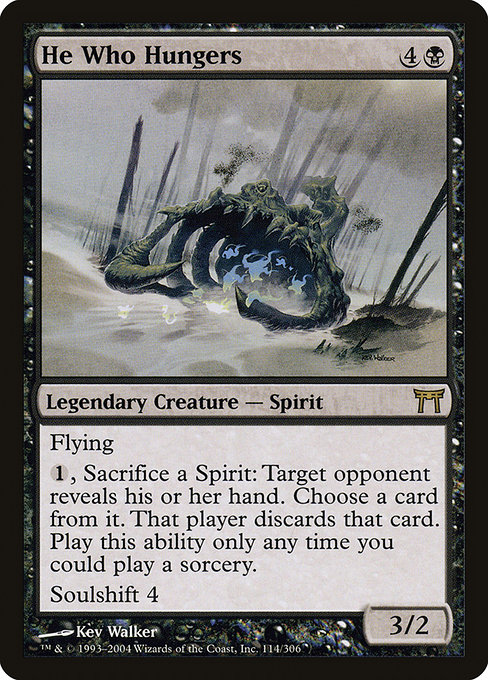
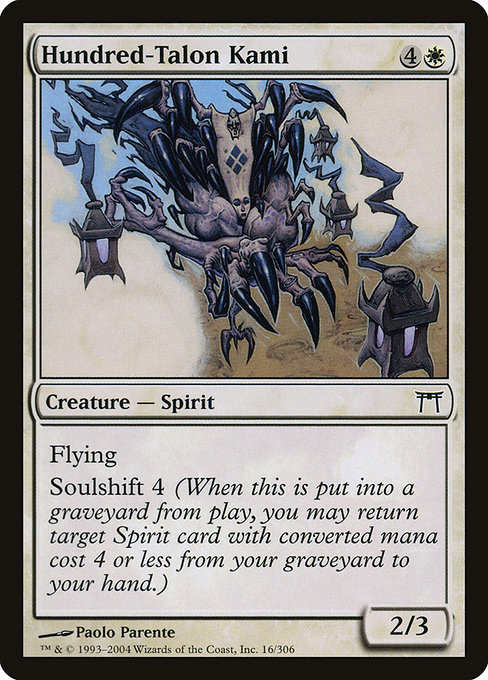
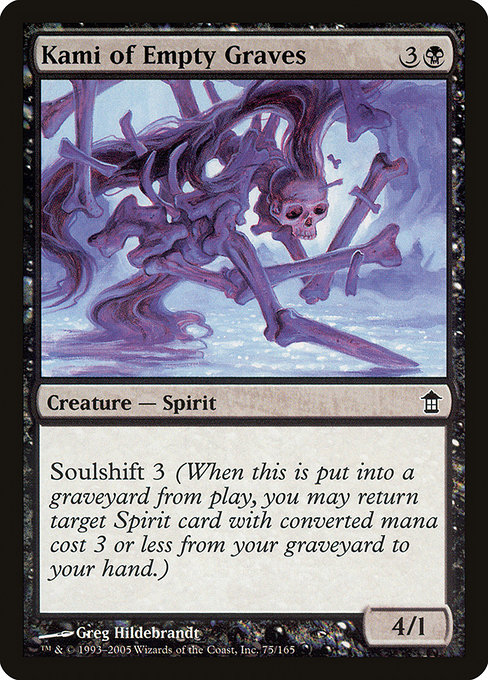
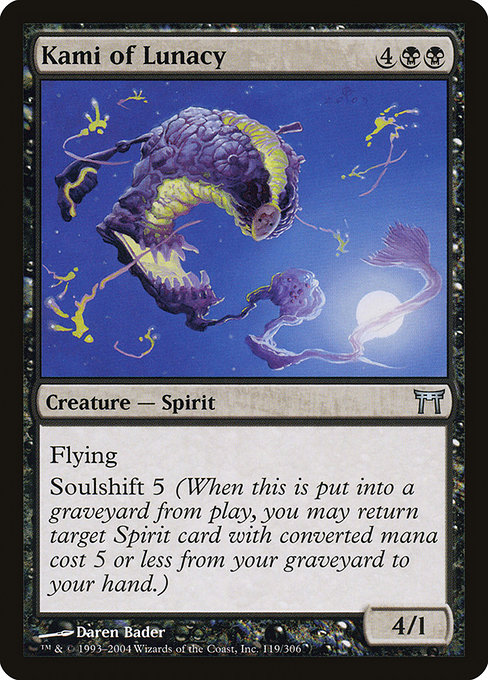
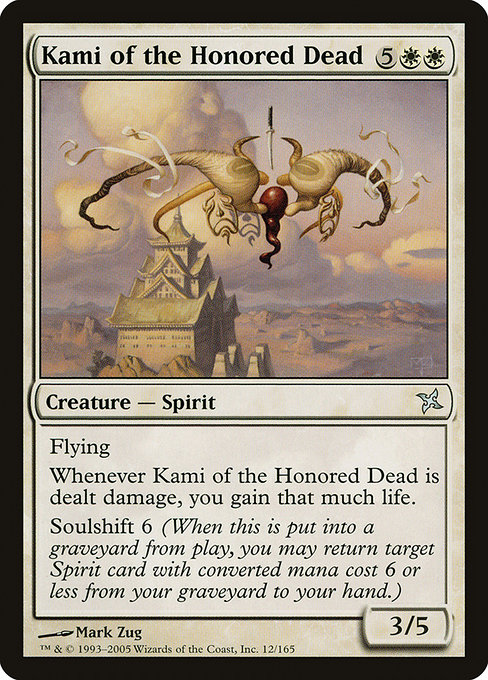
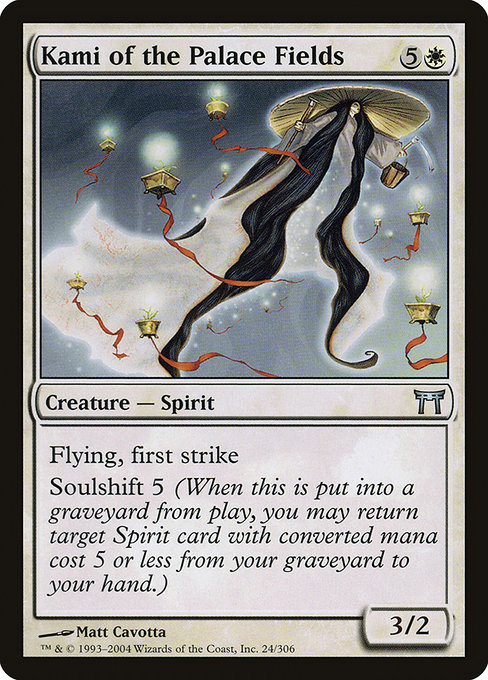
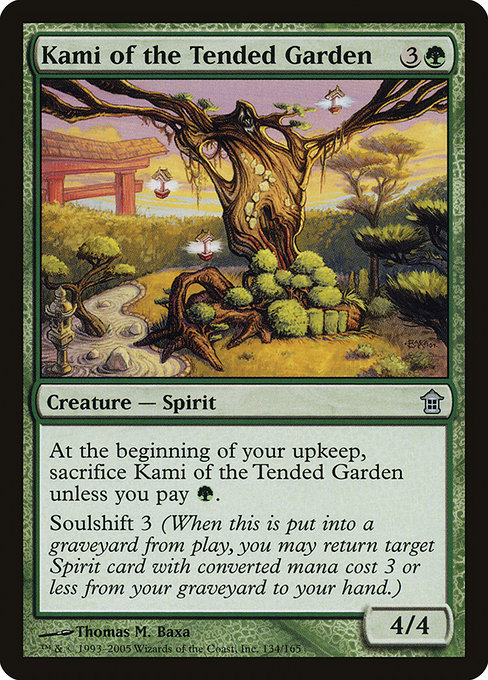
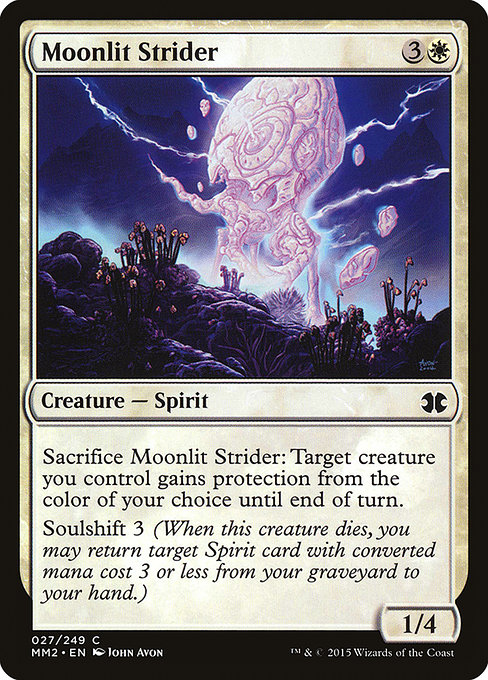
Soulshift is a triggered ability that appears on Spirit creatures, primarily from the Kamigawa block. When a permanent with Soulshift dies - meaning it's put into the graveyard from the battlefield - you may return a target Spirit card with mana value equal to or less than the Soulshift number from your graveyard to your hand.
The keyword is written as Soulshift N, where N is the maximum mana value of the Spirit card you can retrieve. So a creature with Soulshift 3 lets you return any Spirit card with mana value 3 or less.
The key design pattern here: with the exception of Promised Kannushi, every Soulshift card has a mana value exactly one greater than its Soulshift number. A creature that costs 4 mana typically has Soulshift 3, a creature costing 5 mana has Soulshift 4, and so on. This creates a natural ladder - each Spirit in the chain can return the one below it.
Soulshift rules
The official rules text, from the Comprehensive Rules (November 14, 2025 - Edge of Eternities):
CR 702.46a: "Soulshift N" means "When this permanent is put into a graveyard from the battlefield, you may return target Spirit card with mana value N or less from your graveyard to your hand."
CR 702.46b: If a permanent has multiple instances of soulshift, each triggers separately.
Key rules clarifications
- The number is a maximum, not an exact value. Soulshift 7 lets you return any Spirit with mana value 7 or less - you're not locked into returning exactly a 7-mana Spirit.
- You choose on resolution. When the ability goes on the stack, you choose a target. When it resolves, you then choose whether or not to actually return that card. This means if the target becomes invalid by the time the ability resolves (for example, it gets exiled in response), the ability simply does nothing.
- Multiple instances trigger separately. A creature with two instances of Soulshift 4 generates two separate triggered abilities when it dies. Each one can target a different Spirit card - effectively returning up to two cards, as long as each has mana value 4 or less.
- It's not limited to creatures. The ability returns any Spirit card, which could include non-creature Spirits if any exist in the format you're playing. The card just needs the Spirit subtype.
- The trigger is from the battlefield. Soulshift only fires when the creature moves from the battlefield to the graveyard - not from the hand, not from exile. A token dying also won't trigger a Soulshift ability if the token had it, since tokens cease to exist rather than truly entering the graveyard.
Multiple Soulshift instances - how the math works
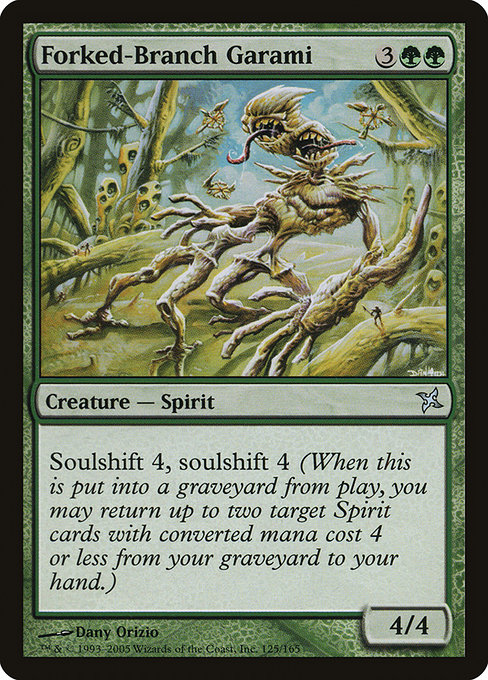
When Forked-Branch Garami (a 4/4 Spirit with Soulshift 4, Soulshift 4) dies, two separate triggers go on the stack. Each can return a Spirit card with mana value 4 or less. That's two cards back to hand from a single death - significant value for a creature that costs 5 mana.
Rules note: Because the triggers are separate, they resolve separately. An opponent can respond between them, though in practice there's rarely a useful response window between two abilities targeting graveyard cards.
Strategy
Building the Soulshift chain
The mechanic's design almost writes the deckbuilding strategy for you. Because each Soulshift creature naturally returns the one below it on the mana curve, you want to assemble a ladder of Spirits at each mana value. When your 5-drop dies, it returns your 4-drop. When that one dies, it returns your 3-drop. And so on, all the way down.
This creates a resilience engine that makes your Spirit creatures very difficult to permanently remove. Your opponent needs to either counter the triggers, exile the graveyard, or kill everything faster than you can rebuild.
Playing with Soulshift
Density matters. Soulshift is only useful if you have Spirit cards in your graveyard worth returning. A Spirit-tribal deck that fills the graveyard naturally through trade combat, chump blocking, and the early game will get far more mileage out of the mechanic than a deck with only a handful of Spirits scattered among other creature types.
Sequence your threats carefully. If you can keep a small Spirit in hand rather than playing it immediately, you can hold it in reserve as a Soulshift target later. Sometimes the best play isn't playing out your whole hand - it's letting your bigger Spirit die to return a lower-cost one, then replaying the cheaper creature as fresh pressure.
Soulshift and sacrifice effects pair naturally. If you control a way to sacrifice your own creatures - for value, to power another effect, or to dodge removal - Soulshift creatures become an even more reliable recursion loop. You choose when to trigger the chain rather than waiting for your opponent to do it for you.
Playing against Soulshift
Exile is your best friend. Soulshift returns cards from the graveyard, so anything that exiles the creature or exiles the graveyard entirely shuts the chain down hard. A timely piece of graveyard hate before a Soulshift trigger resolves can strand your opponent with nothing to return.
Counter the chain, not just the creature. If you're in blue and can counter spells, think carefully about what you're countering. Letting a smaller Spirit die and then countering the Soulshift trigger (stopping the return of a bigger threat) can sometimes be the correct play over countering the creature itself.
Don't trade down. Against a Soulshift ladder, trading your bigger creatures for smaller Spirits often backfires - you're just fueling their recursion engine by putting cards in their graveyard while your board shrinks. It's often better to go wide, apply pressure, and force them to use the Spirits for blocking rather than letting them die on your opponent's terms.
Notable Soulshift cards
Thousand-legged Kami
A 6/6 Spirit with Soulshift 7. As one of the higher-end Soulshift creatures from Kamigawa, it sits at the top of the chain - when it dies, it can return almost any Spirit in the block back to your hand. The body is impressive for its cost, and the death trigger acts as meaningful insurance against removal.
Forked-Branch Garami
A 4/4 Spirit with Soulshift 4, Soulshift 4 - two separate instances of the same Soulshift number. When it dies, you get two triggers, each returning a Spirit with mana value 4 or less. That's potentially two cards back from a single death, making it one of the most efficient Soulshift payoffs in the block.
Kodama of the Center Tree
A Legendary Spirit with a dynamic Soulshift value - it has Soulshift X, where X equals the number of Spirits you control at the time it dies. Its power and toughness are also equal to that count. In a Spirit-heavy board state, this card can return an expensive Spirit from your graveyard that none of the fixed-number Soulshift creatures could reach. It rewards going all-in on the Spirit subtype.
Promised Kannushi
The mechanic's notable exception. While every other Soulshift card has a mana value exactly one greater than its Soulshift number, Promised Kannushi - a Human Druid, notably not a Spirit itself - breaks this pattern. It's worth knowing about if only because understanding the exception helps solidify the rule.
History
Soulshift was introduced in Champions of Kamigawa (2004), the first set of the Kamigawa block, alongside the deep focus on Spirits and the spiritual conflict at the heart of that setting. The mechanic fit thematically: Spirits in Kamigawa's lore were persistent, difficult to banish, and tied to the physical world in ways that made them hard to truly destroy.
The Kamigawa block - Champions of Kamigawa, Betrayers of Kamigawa, and Saviors of Kamigawa - contained the bulk of Soulshift cards, building out the full ladder of Spirits at each mana value. The mechanic was never keyworded again in a Standard-legal set after the block rotated, making it a block-specific mechanic in practice.
When Wizards of the Coast returned to Kamigawa with Kamigawa: Neon Dynasty (2022), they chose not to bring back Soulshift, instead introducing new mechanics that fit the updated futuristic aesthetic of the plane. Soulshift remains fondly associated with the original block's more traditional, spiritual atmosphere.
Lore aside: The Kamigawa block's central conflict was the Kami War - a battle between the mortal world and the spirit world, sparked when the legendary Daimyo Konda stole something from the spirit realm. Soulshift, mechanically representing spirits returning from death rather than staying gone, is one of the more elegant examples of lore expressed directly through game mechanics.