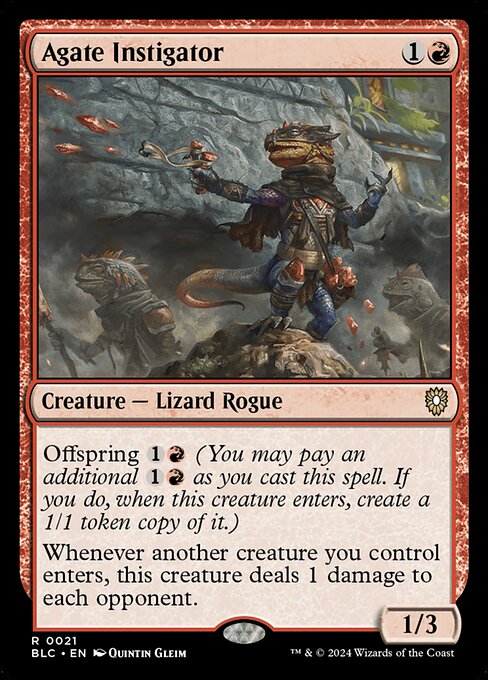
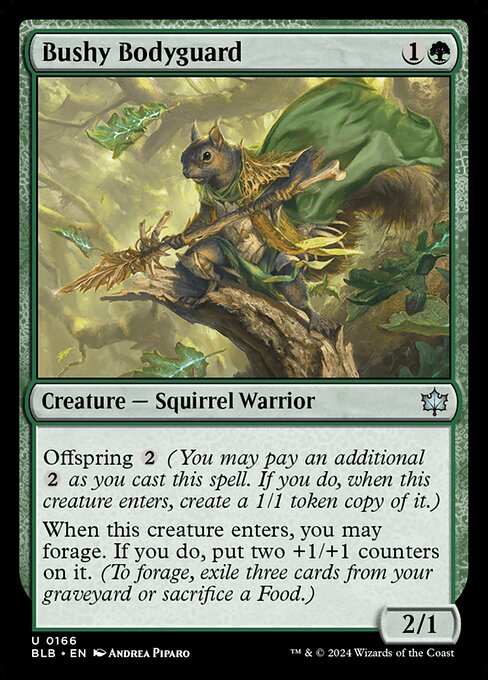
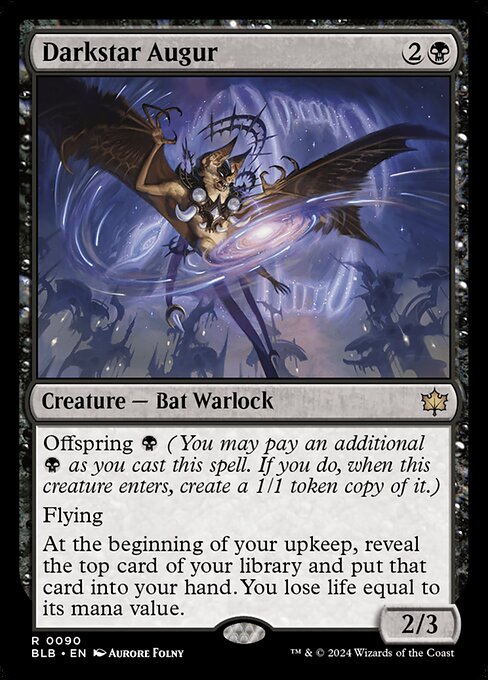
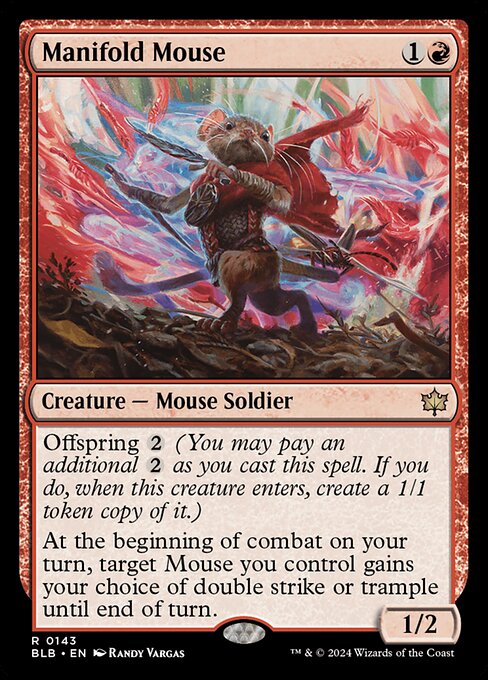
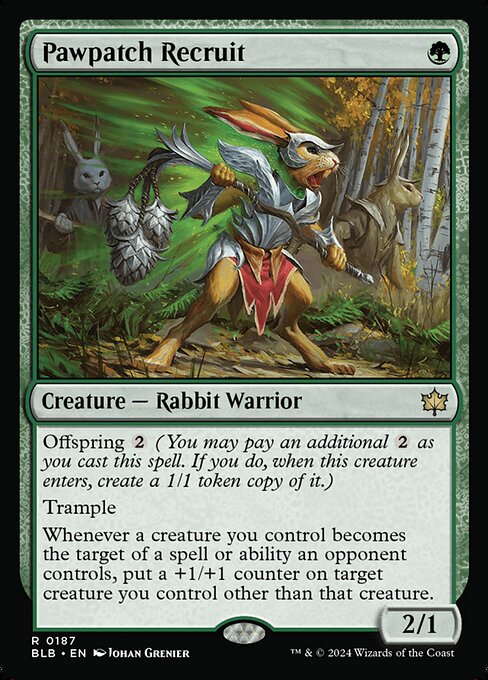
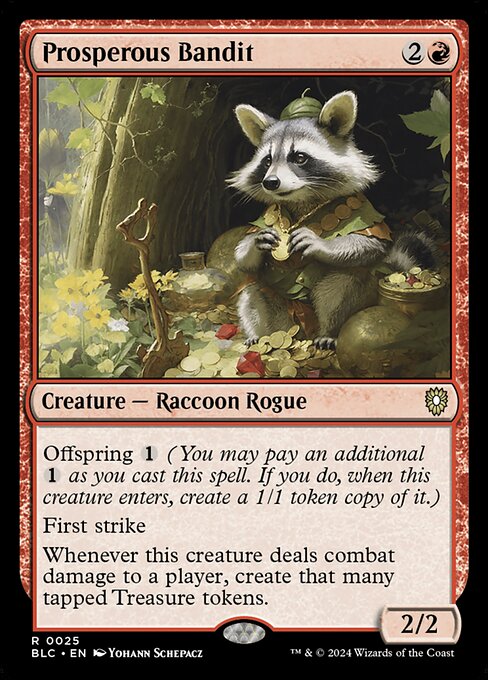
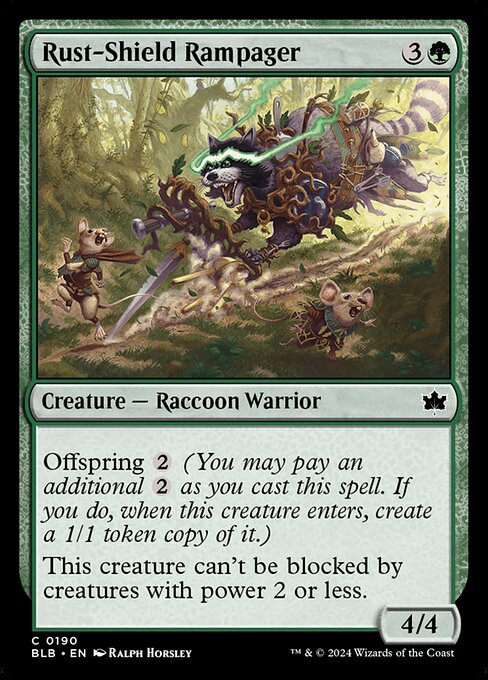
Offspring: MTG Mechanic Explained
There's something quietly delightful about the Offspring mechanic. You pay a little extra, and when your creature arrives, it brings a tiny version of itself along - same name, same abilities, same creature types, just a little smaller. It's a mechanic that fits its set perfectly and opens up more interesting decisions than it might first appear.
What is Offspring?
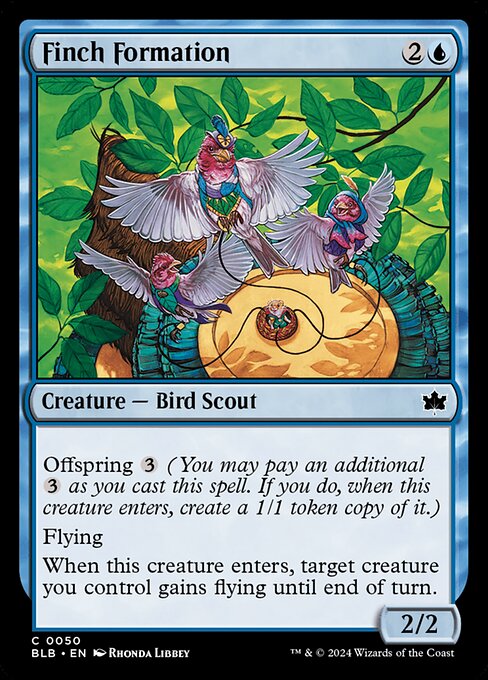
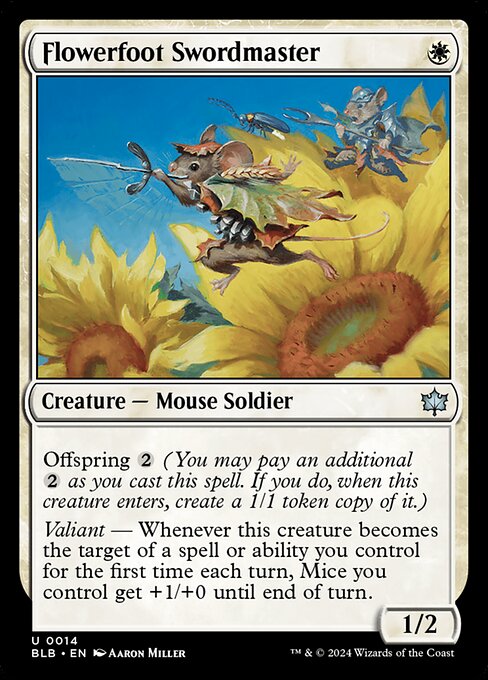
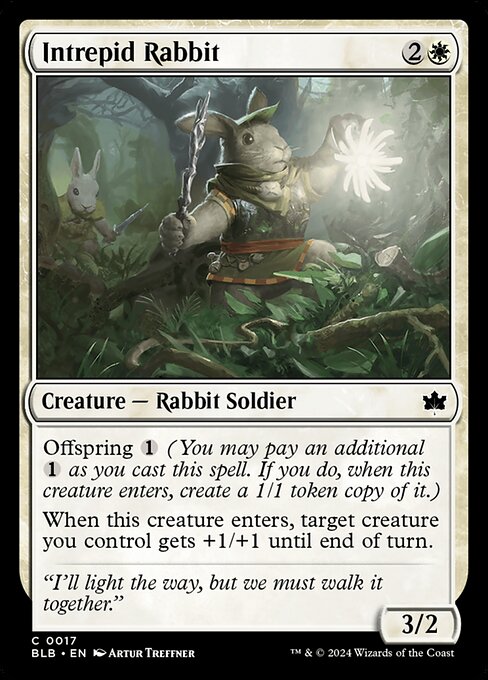
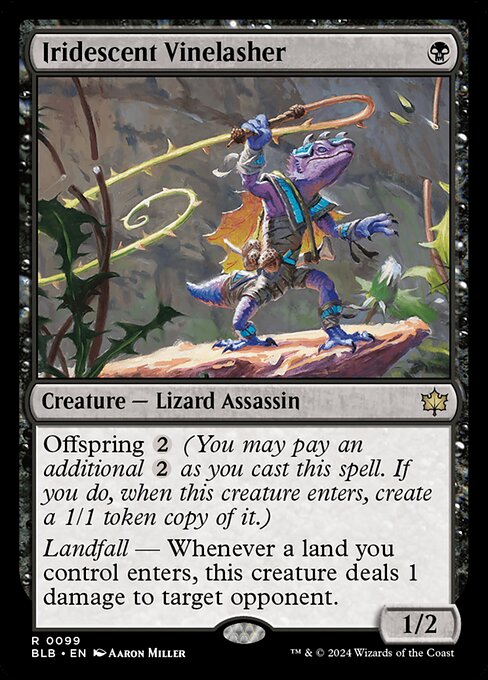
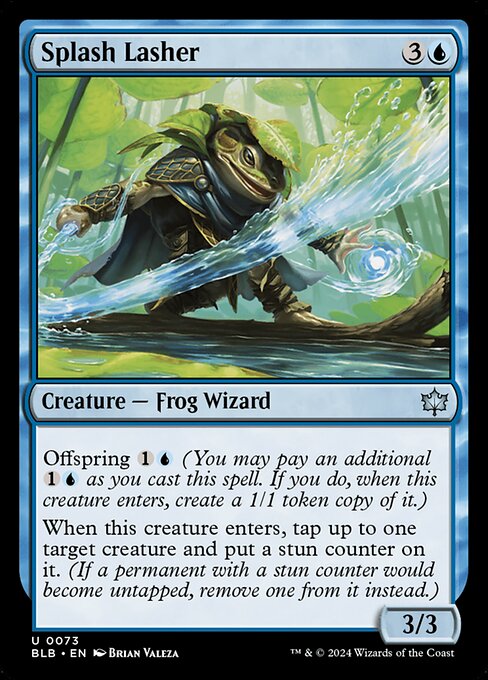
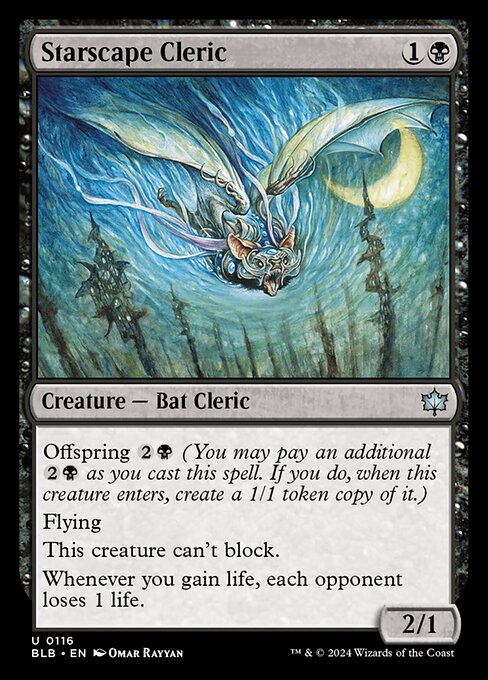
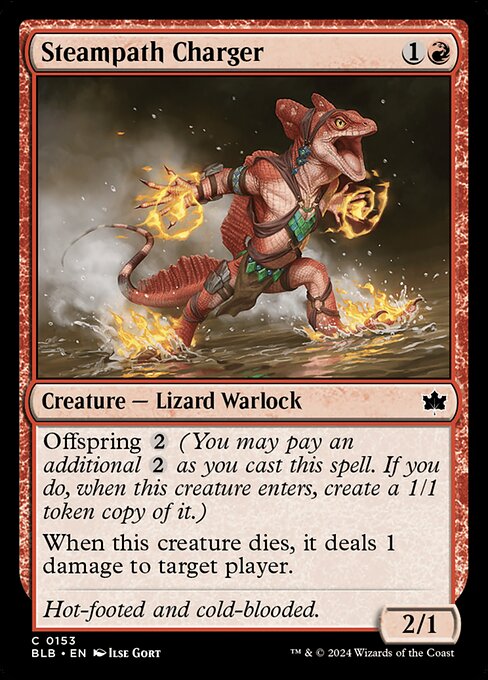
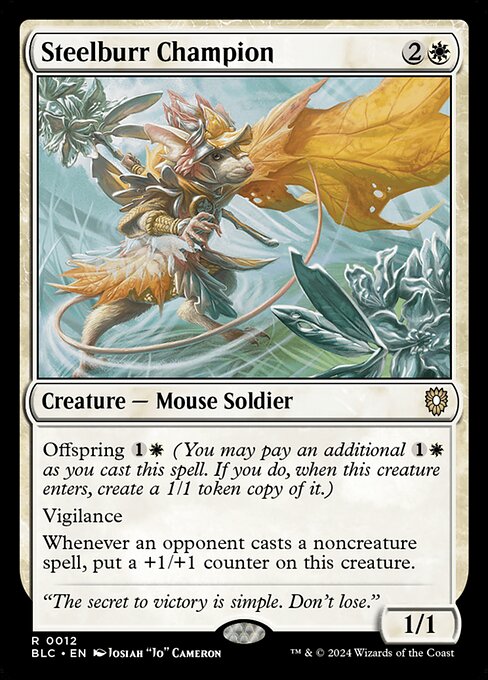
Offspring is a keyword ability introduced in Bloomburrow (2024) that lets you pay an additional cost when casting a creature spell. If you pay that cost, the creature creates a 1/1 token copy of itself when it enters the battlefield.
The token is a genuine copy: same name, same creature types, same mana cost and mana value, same abilities. The only difference is that it's locked in at 1/1 power and toughness, no matter what the original creature's stats are.
Bloomburrow is a set built around the animal folk and families of a world without humans, and Offspring reflects that theme directly. These creatures are literally bringing their children into the fight alongside them.
How Offspring works - the rules
Offspring represents two separate abilities bundled into one keyword.
CR 702.175a spells it out clearly:
"Offspring [cost]" means "You may pay an additional [cost] as you cast this spell" and "When this permanent enters, if its offspring cost was paid, create a token that's a copy of it, except it's 1/1."
A few things worth unpacking there:
- The additional cost is paid at cast time, as part of casting the spell. You're not paying it later.
- The token creation happens when the permanent enters the battlefield, as a triggered ability. It checks whether the offspring cost was paid for that trigger, not any other.
- The token is a copy of the permanent as it exists on the battlefield - so if the creature has any enters-the-battlefield modifications, those are reflected in the copy.
Rules note: If a card somehow has multiple instances of offspring (say, granted by two different effects), each is paid separately and triggers independently. CR 702.175b confirms this - they don't interact with each other.
Common misunderstandings
The token is 1/1 regardless of the original's size. A 5/5 with offspring still makes a 1/1. The token copies everything except power and toughness, which are set to 1/1.
Offspring is decided at cast time. You can't decide after the creature resolves. If you didn't pay the additional cost when you cast the spell, no token is coming.
The token has the same abilities. This is the key design point. A 1/1 token that still has the parent's triggered abilities can be very relevant, especially for attack triggers and enters-the-battlefield effects.
Strategy
The core question with any offspring creature is: is the additional cost worth a 1/1 version of this creature?
The answer depends heavily on what the creature does. Wizards R&D made a deliberate choice to focus offspring design around triggers - especially enters-the-battlefield triggers and attack triggers - so that the 1/1 body remains meaningful even if it can't survive combat.
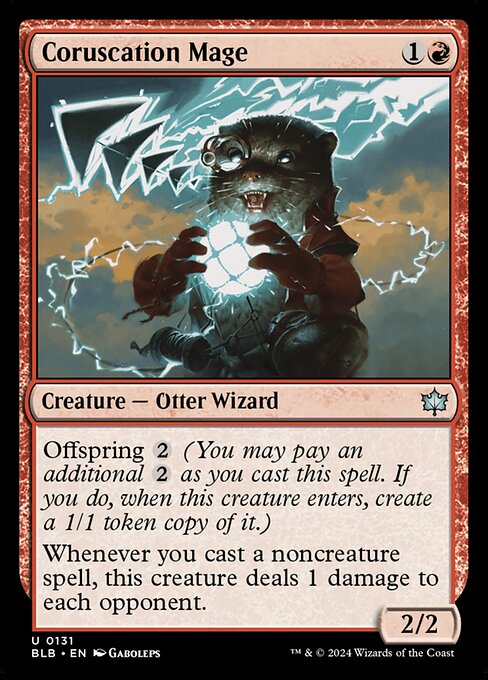
Coruscation Mage is a clean example of this. The 2/2 body deals 1 damage to each opponent whenever you cast a noncreature spell. The 1/1 offspring token does the exact same thing. If you're running a spell-heavy deck, paying the extra {2} for a second copy of that trigger engine is often very good value, even if the token trades immediately with any blocker.
Playing with Offspring
- Prioritise abilities over stats. If a creature's value comes from its power and toughness, offspring is usually not worth the extra cost. If the value comes from a triggered ability, you're often doubling that engine.
- The token is a legitimate threat. Opponents have to answer two creatures, not one. That forces awkward choices, especially in combat.
- Watch your mana. The offspring cost is paid on top of the base mana cost. A three-mana creature with offspring {2} costs five mana total if you want the token. Plan your curve accordingly.
- Token synergies multiply value. In decks that care about the number of creatures entering the battlefield, having tokens with relevant creature types is a bonus. The offspring token shares all types with its parent.
Playing against Offspring
- Counter or remove the spell before it resolves. If the creature never enters the battlefield, no token is created.
- Prioritise the parent if stats matter. The 1/1 token usually can't win combat on its own. But if the parent's ability is trigger-based, you may need to handle both.
- Don't let the board get away from you. Two creatures for one card is real card advantage. Letting an opponent land several offspring creatures unchecked means facing a very wide board quickly.
Notable cards
Coruscation Mage
Coruscation Mage is the clearest showcase for what offspring is supposed to do. A {1}{R} Otter Wizard that pings each opponent whenever you cast a noncreature spell - and the offspring {2} cost lets you deploy two of those triggers engines at once. In spell-heavy Commander or aggressive red builds, paying five mana for two Coruscation Mages is a strong deal.
Cards that grant Offspring
Two cards in Bloomburrow extend the mechanic to other creatures:
- Cottontail Caretaker grants offspring to white creature cards in your hand on a perpetual basis - meaning even if Cottontail Caretaker leaves the battlefield, the granted offspring stays.
- Zinnia, Valley's Voice also grants offspring {1} to other creatures you control.
These are worth knowing because they can turn creatures that don't naturally have offspring into token generators, which plays very well with token-synergy payoffs.
Offspring's Revenge - a fun naming coincidence
Offspring's Revenge ({2}{R}{W}{B}) isn't an offspring mechanic card - it was printed four years before Bloomburrow and simply mentions "1/1 copy" in its text. It's a trivia footnote, but it's a neat one. The mechanic's name was already floating around the design space before it formally arrived in Bloomburrow.
History
Offspring debuted in Bloomburrow (2024), a set centred on a world populated entirely by animal folk. The familial themes of the set - community, generations, family bonds - made a mechanic literally about bringing offspring into battle a natural fit.
R&D's design philosophy for the mechanic was intentional: they wanted creatures whose abilities remained relevant on a 1/1 body. That's why the sweet spot for offspring landed on triggered abilities rather than raw stats. An enters-the-battlefield trigger on a 1/1 is still a trigger. An attack trigger on a 1/1 is still a trigger. The mechanic is weakest on creatures whose value is purely about power and toughness, and strongest on creatures that do something when they arrive or attack.
Each card with offspring also has its own dedicated token card depicting the junior version of that creature - a charming production detail that reinforces the set's visual storytelling.
Lore aside: The parallel to embalm from Amonkhet (Amonkhet, 2017) is worth noting. Both mechanics create tokens that are copies of the original with modified stats, and both have dedicated token cards. The difference is that embalm operates from the graveyard as a second chance, while offspring operates at cast time as a family - a very different emotional register.